

The Netflix-Warner Bros. Deal Could Spell the End for Movie Theaters
- HOME
- ENTERTAINMENT
- The Netflix-Warner Bros. Deal Could Spell the End for Movie Theaters
- Last update: 58 minutes ago
- 2 min read
- 992 Views
- ENTERTAINMENT
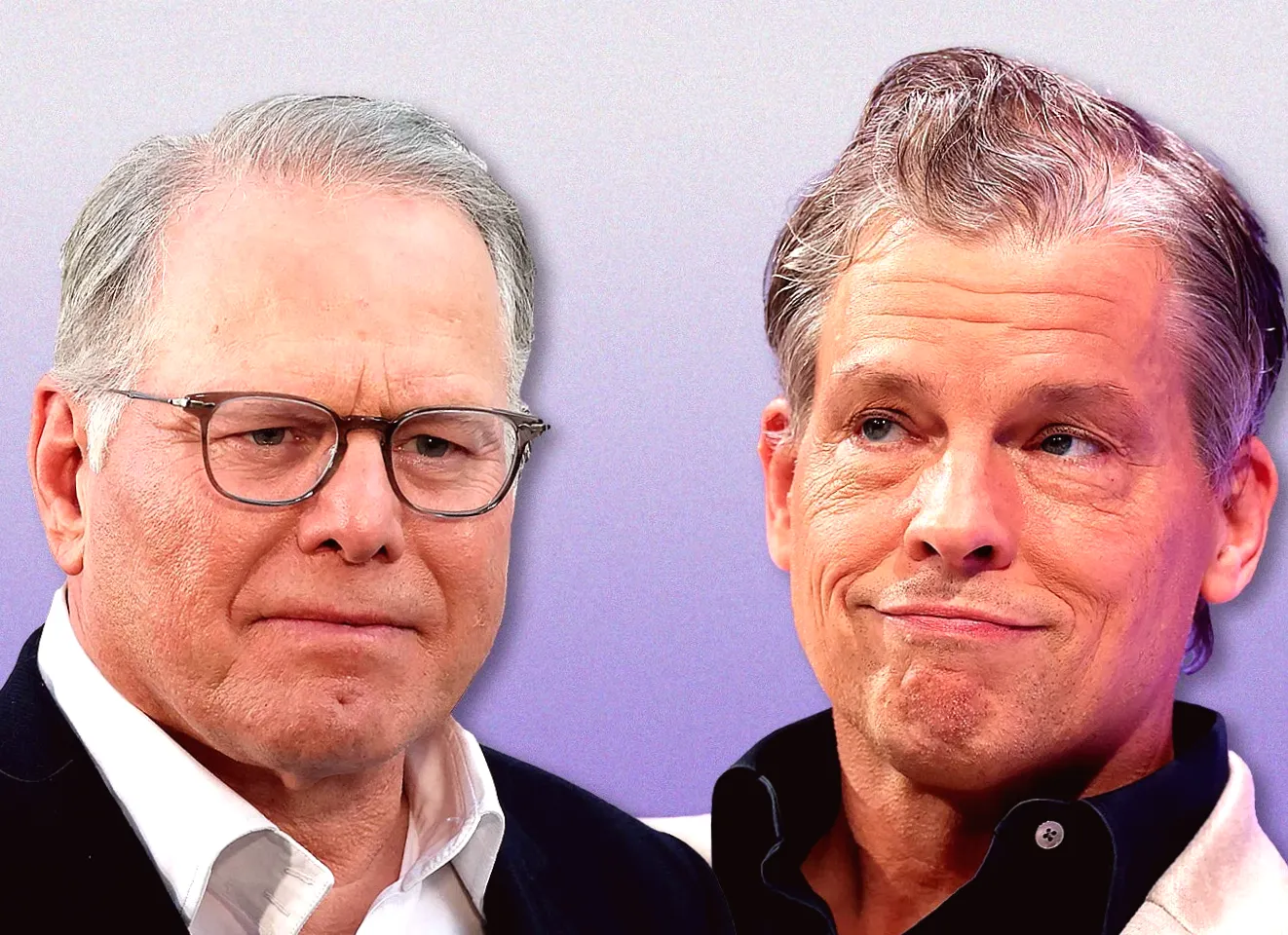
The competitive bidding for Warner Bros. Discovery, led by David Zaslav, has ended with Netflix securing the prize over rivals NBCUniversal and Paramount Skydance. In a staggering $82.7 billion transaction, Netflix will take over Warner Bros. film and television studios, gaming assets, and HBO/Max, while WBDs cable channels and Discovery+ will form a separate entity called Discovery Global.
Although the deal is set to finalize within a year, industry observers caution that a merged Netflix-Warner Bros. entity may not materialize immediately. Paramount Skydance CEO David Ellison has raised concerns about fairness in the bidding process and may seek support from allies in Washington, including potential antitrust scrutiny or FCC opposition. The Trump administration has reportedly followed the negotiations closely, reflecting skepticism about the merger.
Hollywood reactions are mixed. Director James Cameron described the situation as potentially disastrous, noting Netflix CEO Ted Sarandos stance that traditional theatrical releases are declining. Despite this, Netflix has pledged to maintain Warner Bros. theater releases, although it favors shorter exclusive runs to meet awards eligibility requirements. Past examples, such as Rian Johnsons Knives Out and Netflixs Demon Hunters screenings, indicate a trend toward limited theatrical runs rather than extended premieres.
Industry groups and prominent figures, including Jane Fonda and the Directors Guild of America, have voiced concerns. Cinema United warns of a major threat to theaters, while Senator Elizabeth Warren cited potential subscription increases and reduced consumer choice.
David Ellisons disappointment stems from Netflixs higher cash offer and its stronger position in streaming, bolstered by Sarandos existing relationship with Zaslav and expertise across film, television, gaming, and sports. Comcasts mixed cash-and-stock proposal and Skydances recent chaotic entry into streaming hindered their chances. Netflixs strategy is also designed to leverage its large library and optimize content for subscribers, potentially reshaping HBO Max in the process.
The acquisition highlights the continuing dominance of technology companies in the entertainment sector. With Amazon owning MGM, Disney controlling multiple streaming services, and YouTube TV exerting influence over traditional media, Netflixs expansion marks another stage in the consolidation of American entertainment. Traditional TV networks and classic programming may face further marginalization, as streaming platforms continue to redefine the industry landscape.
Ultimately, Netflixs purchase of Warner Bros. reflects the growing shift from theaters and traditional TV toward a tech-driven, subscriber-focused model, signaling significant changes for both the business and viewing habits of audiences worldwide.
Author: Ava Mitchell
Share

SAG-AFTRA Raises Concerns over Netflix's WBD Deal, Calls for Increased Production
1 hours ago 2 min read ENTERTAINMENT

SAG-AFTRA to Analyze Netflix-WB Deal Before Taking Position, Warns Merger Raises Serious Questions
1 hours ago 2 min read BUSINESS

Warner Bros. Discovery confirms HBO Max will remain after Netflix merger
2 hours ago 1 min read ENTERTAINMENT

The Potential Impact of Netflix Acquiring Warner Bros. on Movie Theaters
3 hours ago 3 min read ENTERTAINMENT

The impact of Netflix acquiring Warner Bros. on the film industry
3 hours ago 3 min read ENTERTAINMENT

Major Changes Could Soon Impact HBO Max and Netflix Users: Here's Why
4 hours ago 2 min read ENTERTAINMENT

Netflix's acquisition of Warner Bros: What it means for viewers
6 hours ago 3 min read ENTERTAINMENT

Netflix emerges victorious in competition for Warner Bros as HBO becomes part of streaming giant's empire
6 hours ago 2 min read ENTERTAINMENT

Netflix's Acquisition of Warner Bros. Sparks Competition Between WWE & AEW
7 hours ago 2 min read ENTERTAINMENT

Netflix to purchase Warner Bros. film studios, HBO, and HBO Max in a deal worth $82.7 billion
7 hours ago 2 min read ENTERTAINMENT