

Reeves relaxes eligibility requirements for teenagers with ADHD
- Last update: 4 days ago
- 3 min read
- 13 Views
- HEALTH
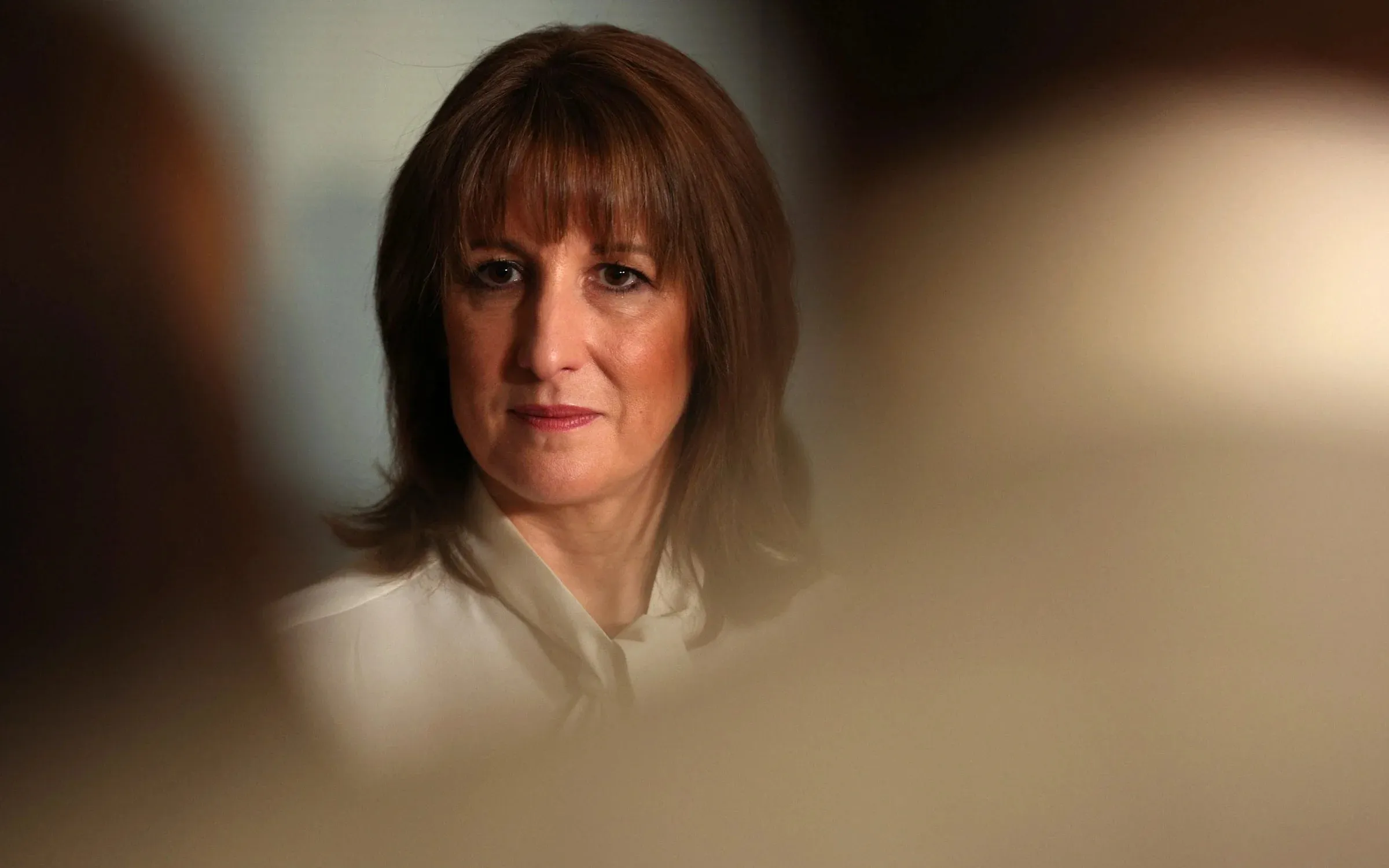
Teenagers diagnosed with mental health conditions such as ADHD or anxiety will no longer be required to attend school or training for their parents to receive child benefits, following changes introduced by Chancellor Rachel Reeves. The adjustment removes the previous obligation for youngsters to complete at least 12 hours per week of education or unpaid training, despite rising levels of youth unemployment.
The update, quietly included in last weeks Budget, comes in addition to the removal of the two-child benefit cap, a policy expected to cost taxpayers over 3 billion annually. Critics argue that this move could discourage teenagers from entering the workforce and might incentivize attempts to claim illness-related exemptions.
Sir Keir Starmers upcoming speech on welfare reform appears to contrast with this policy change. On Monday, the Prime Minister is expected to call for benefits reforms that remove disincentives preventing young people from working. Speaking in London, he will emphasize that such incentives are costly to the country and reduce productivity, while stressing that reform aligns with Labour Party values.
We need to overhaul the welfare system to unlock potential, Sir Keir is set to say. Neglecting support for those with mental health challenges or neurodivergent conditions can trap them in long-term unemployment, which is detrimental to productivity and opportunity.
However, the recent changes to benefit rules appear to conflict with these aims. Previously, child benefits for children over 16 could only be claimed if the young person spent at least 12 hours a week in school or unpaid training. Under the new Budget measures, this requirement is removed entirely for 16- to 19-year-olds with an illness or disability.
Child benefit currently provides 104.20 per month for a first child and 69 for additional children, with no limit on the number of children eligible. The payment is available for all children under 16, and for older children living at home if they are in education or training. Parents earning over 60,000 gradually repay the benefit, with those above 80,000 required to reimburse the full amount.
The Treasury estimates that the revised rules, backdated to the start of the school term, will cost around 25 million annually, potentially making tens of thousands more young people eligible. Previously, exemptions were granted only if a child could not attend education full-time due to illness or disability. The new regulations also allow parents who homeschool children over 16 to claim benefits.
Budget documents explain: This measure extends entitlement to child benefit for parents or carers of young people aged 16-19 with an illness or disability who are studying for 12 hours or fewer per week, and for parents of 16- to 19-year-olds educated full-time outside school or college if this began after age 16.
The Treasury and Department for Work and Pensions have been contacted for comment.
Author: Sophia Brooks
Share

New Study Reveals That This Popular Diet May Make It More Difficult for You to Have a Bowel Movement
6 minutes ago 3 min read HEALTH

Health Rounds: Study finds shingles vaccine decreases risk of dementia-related death
1 hours ago 2 min read HEALTH

Newly FDA Approved Glasses Can Help Slow Down Your Child's Myopia Progression
2 hours ago 2 min read HEALTH

Atraverse receives FDA approval for HOTWIRE transseptal access system
3 hours ago 2 min read HEALTH

FDA warns of 7 deaths and more than 700 injuries linked to faulty glucose monitors
5 hours ago 2 min read HEALTH

The FDA confirmed 10 children died after receiving COVID vaccines. SAN verified the information.
5 hours ago 3 min read HEALTH

Make sure to mark your calendars for these Tricare and other health benefits deadlines
5 hours ago 3 min read HEALTH

Cardiologists Say These 2 Tips Can Help During the 'Worst Time of the Year' for Heart Health
6 hours ago 2 min read HEALTH
US vape products recalled due to possible contamination: Urgent advice to seek medical help
9 hours ago 2 min read HEALTH

CDC advisers postpone important decision on hepatitis B vaccination during tense meeting
10 hours ago 3 min read HEALTH