
RFK Jr. is reshaping public health messaging beyond vaccines
- Last update: 2 hours ago
- 4 min read
- 596 Views
- HEALTH
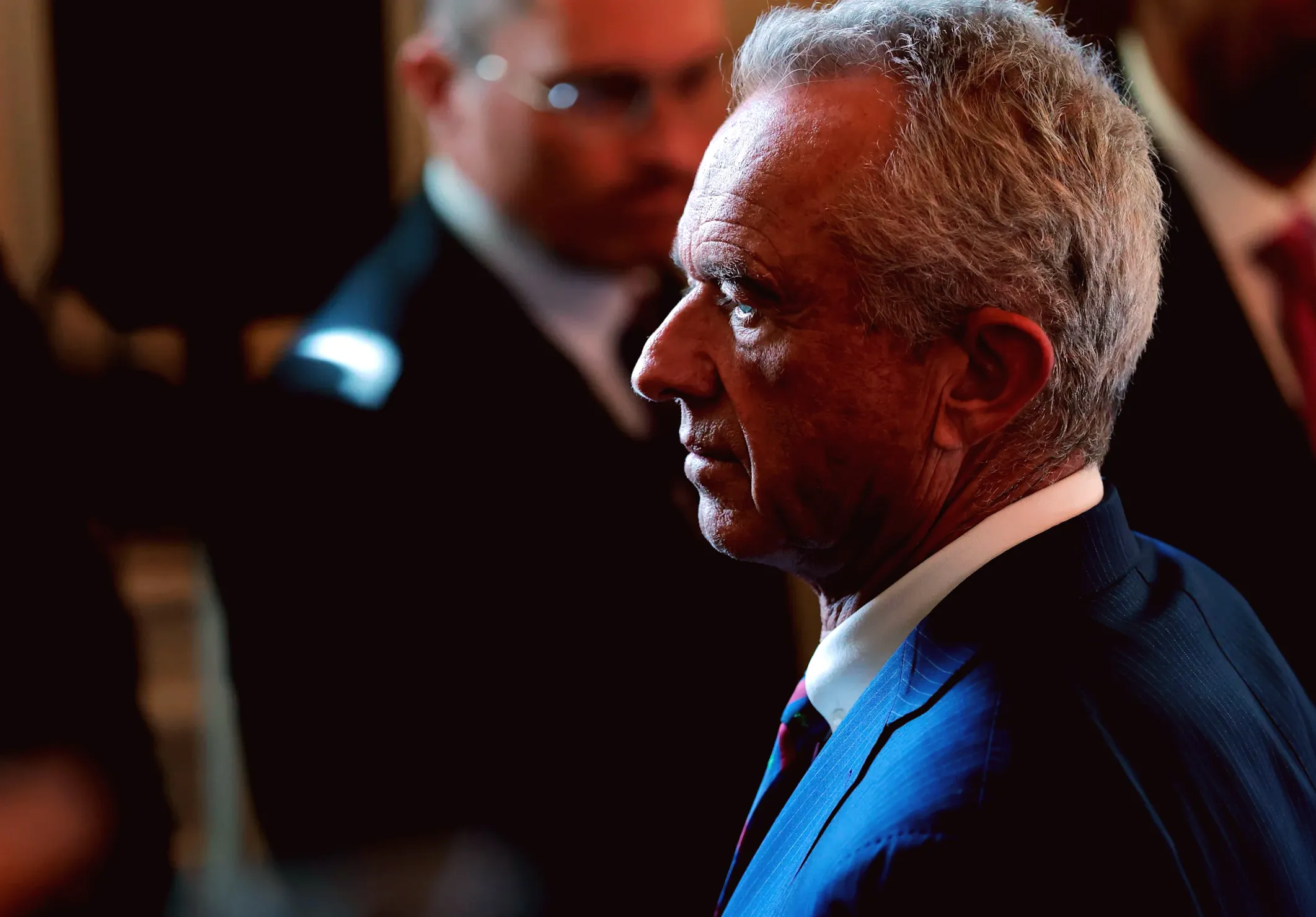
As the Secretary of Health and Human Services, Robert F. Kennedy Jr. commands one of the most prominent platforms in the federal government. Yet he claims he does not intend to dictate health decisions to Americans. I dont think people should be taking medical advice from me, he remarked to a Democratic congressman in May.
In previous statements, Kennedy shared strong views on topics like exercise. On a podcast, he described using the departments platform to challenge Americans cautious approach to fitness, suggesting that embracing physical struggle is virtuous. We need to establish an ethic that youre not a good parent unless your kids are doing some kind of physical activity, he said in September 2024.
The Department of Health and Human Services is responsible for delivering guidance to protect and improve public health, from vaccinations and screenings to food safety and everyday health tips like sunscreen use and exercise. Under Kennedy, some traditional campaigns promoting immunizations and preventive care have been overshadowed by attention to his personal initiatives and causes. Former employees note a shift toward politically charged messaging, with slogans such as Make America Healthy Again appearing in communications.
Some campaigns have been deprioritized. Successful anti-smoking initiatives and other public health projects have received less emphasis. Social media posts previously celebrating Juneteenth and Fathers Day have been replaced by tributes to figures like Donald Trump and Hulk Hogan. An HHS spokesperson commented that diversity, equity, and inclusion initiatives were discontinued under the current administration.
Several lawmakers have distanced themselves from Kennedy as a health authority. After his remarks linking Tylenol to autismclaims lacking scientific supportSenate Majority Leader John Thune advised consulting medical professionals rather than relying on government officials for medical guidance. Polls conducted since January indicate limited public trust in Kennedy as a medical advisor, with barely a quarter of respondents expressing confidence in him.
Longstanding public health campaigns, particularly around flu vaccination and anti-smoking messaging, have been disrupted. Ad campaigns were paused or ended shortly after the new administration took office, sometimes causing costly logistical issues. Communications reviewed by public health observers indicate a shift toward highlighting vaccine risks and advocating for informed choice, though officials dispute that characterization. The CDC even updated materials in November asserting unsupported claims about vaccines and autism.
Tobacco prevention efforts have also been affected. Programs like Tips From Former Smokers, which previously helped millions quit smoking, face delays and reduced funding. HHS has redirected attention to new initiatives such as the Take Back Your Health campaign, promoting exercise through viral, attention-grabbing content. Plans include encouraging Americans to use wearable health devices within a few years, potentially funded by reallocated resources from paused smoking campaigns.
Former FDA and CDC employees report political interference in public communications. For instance, projects such as press releases on lab-grown meat were delayed or reshaped to align with political priorities. Layoffs and administrative changes have reduced capacity to disseminate important safety information, including food recalls.
Televised and online HHS campaigns have seen sharp declines in reach, especially those promoting vaccines and mental health awareness. Instagram content increasingly focuses on Kennedy himself, featuring personal activities and policy promotion, in contrast to his predecessor, whose posts primarily provided health resources. Slogans like Make America Healthy Again now dominate nearly half of social media content.
The department has also adopted more aggressive advocacy strategies, including recruiting a rapid response coordinator and engaging with aligned activist groups to amplify Kennedys health priorities. Motivational figures encourage supporters to spread the messages boldly and persistently. While this strategy attracts attention, some healthcare professionals report public confusion. Patients are increasingly uncertain about vaccine safety and other health guidance, and cases related to raw milk consumption have been noted by clinicians.
RFK Jr.s tenure represents a significant departure from prior HHS communication strategies, blending public health messaging with personal advocacy and political branding, reshaping how Americans receive and interpret health information.
Author: Noah Whitman
Share

Navigating the strangest winter virus season we've ever experienced
1 hours ago 3 min read HEALTH

General practitioners acknowledge feeling pressured to overdiagnose mental health problems
2 hours ago 2 min read HEALTH
RFK Jr. is reshaping public health messaging beyond vaccines
2 hours ago 4 min read HEALTH

Researchers Discover That This Basic Diet Improves Digestion and Enhances Gut Health
3 hours ago 3 min read HEALTH

Concerns arise over US childhood vaccine schedule following hepatitis B guideline revision
4 hours ago 3 min read HEALTH

The benefits of smelling your own farts according to science
4 hours ago 2 min read HEALTH

FDA approves Francis Medical's water vapor ablation treatment for prostate cancer
5 hours ago 2 min read HEALTH

Study finds bird flu gene enhances its ability to survive human fever defences
6 hours ago 4 min read HEALTH

Many lifters are making painful mistakes with the seemingly simple front rack position
6 hours ago 2 min read HEALTH

Singing along improves lung health and supports a charitable cause
9 hours ago 2 min read HEALTH