

RFK Jr.’s advisory panel could revise recommendations on childhood vaccines
- Last update: 1 days ago
- 4 min read
- 292 Views
- HEALTH
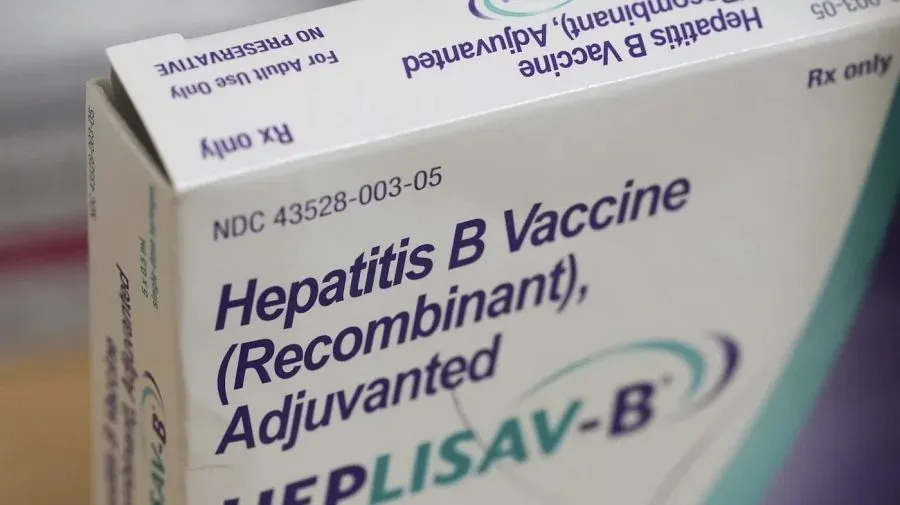
The vaccine advisory group restructured by Health and Human Services Secretary Robert F. Kennedy Jr. to align with his perspectives is scheduled to meet this week to vote on recommendations regarding hepatitis B vaccinations for newborns and overall childhood immunization schedules.
After several months of postponement, the panel is expected to address these issues on Thursday and Friday, amid scrutiny from medical experts and lawmakers about potential policy changes. Chari Cohen, president of the Hepatitis B Foundation, told The Hill that periodic reviews of vaccination guidelines are important, particularly when new evidence or medical advancements emerge. She stressed that such reviews should be conducted systematically, methodically, scientifically, and transparently, adding that none of these standards have been fully met so far.
In September, the Advisory Committee on Immunization Practices (ACIP) of the CDC deferred a vote on a proposal to delay the hepatitis B vaccine for newborns, typically administered within 24 hours of birth. The proposed guideline suggested postponing the shot until an infant reaches one month of age if the mother tests negative for the virus, with the option for earlier administration based on individual decisions.
This recommendation has drawn criticism from medical organizations and politicians, including Republican Senator Bill Cassidy of Louisiana, a hepatologist and chair of the Senate Health, Education, Labor, and Pensions Committee. Martin Kulldorff, recently appointed to an HHS position and former ACIP chair, argued that removing vaccine mandates could restore public trust in health guidance, despite the fact that no federal hepatitis B vaccine mandate exists and parents already have discretion over newborn vaccination.
Several ACIP members expressed concern over ambiguous language in the recommendation. Cody Meissner warned that delaying the vaccine could increase harm without benefits, as fewer children might complete the full hepatitis B series. Others cautioned that the change could affect insurance coverage for vaccines, particularly for families relying on the federal Vaccines for Children program.
Experts in hepatology are apprehensive about altering decades-old guidance that has significantly reduced hepatitis B infections in the U.S. The Center for Infectious Disease Research and Policy, along with the Vaccine Integrity Project, recently released an independent review confirming the vaccines safety, regardless of timing. The analysis found no differences in short-term or long-term side effects between birth-dose and delayed vaccination, and no evidence that postponing the first dose improves efficacy, effectiveness, or long-term protection.
Senator Cassidy reiterated his concerns in November, criticizing the policy as being crafted by individuals unfamiliar with hepatitis B epidemiology, taking comfort in the diseases current low incidence. Some argue that newborns are at minimal risk because hepatitis B is primarily sexually transmitted, but experts emphasize that even small amounts of blood from an infected mother can transmit the virus. Cohen noted that 70 percent of Americans living with hepatitis B are unaware of their infection, highlighting the uncertainty surrounding infants exposure.
The ACIP also recommends that all pregnant women be tested for hepatitis B, though Cohen noted that 16 percent of expectant mothers remain unaware of their status. Early childhood infection carries severe risks, with a 25 percent chance of premature death from liver cancer if contracted during infancy. Reports from HepVu, the Hepatitis B Foundation, and the National Viral Hepatitis Roundtable estimate that delaying vaccination by two months could result in 238 additional infections and $21.6 million in extra healthcare costs.
Eric Hall, assistant professor at Oregon Health and Science University and co-author of the modeling study, emphasized that even brief delays in vaccination can lead to higher infection rates, long-term health issues, and increased healthcare spending. He added that the later the vaccination is postponed, the more severe the outcomes and associated costs, highlighting the potential consequences of the ACIPs pending decisions.
Author: Gavin Porter
Share

Can COVID-19 vaccines cause early miscarriage? No.
1 days ago 2 min read POLITICS

Twelve ex-Commissioners of the US FDA express grave concerns over agency's vaccine policy shift, according to NEJM
1 days ago 2 min read BUSINESS

Twelve former FDA leaders criticize current FDA vaccine chief's claims
1 days ago 2 min read POLITICS

US authorities are examining the Hepatitis B vaccine for newborns
1 days ago 2 min read POLITICS

FDA's statements on COVID-19 vaccine safety lack reliable data support and may impede vaccine accessibility
1 days ago 3 min read HEALTH
Former FDA commissioners criticize Trump administration's vaccine plan
1 days ago 2 min read POLITICS

12 former FDA officials criticize statements made by current vaccine chief
1 days ago 3 min read HEALTH

RFK Jr.'s panel may soon change the hepatitis B vaccine. What you should be aware of
1 days ago 4 min read POLITICS

Understanding the hepatitis B vaccine and the reasons behind Trump officials targeting it
1 days ago 3 min read POLITICS

Understanding the hepatitis B vaccination and the reasons behind Trump officials' focus on it
1 days ago 4 min read POLITICS