

RFK Jr.'s panel may soon change the hepatitis B vaccine. What you should be aware of
- Last update: 1 days ago
- 4 min read
- 708 Views
- POLITICS
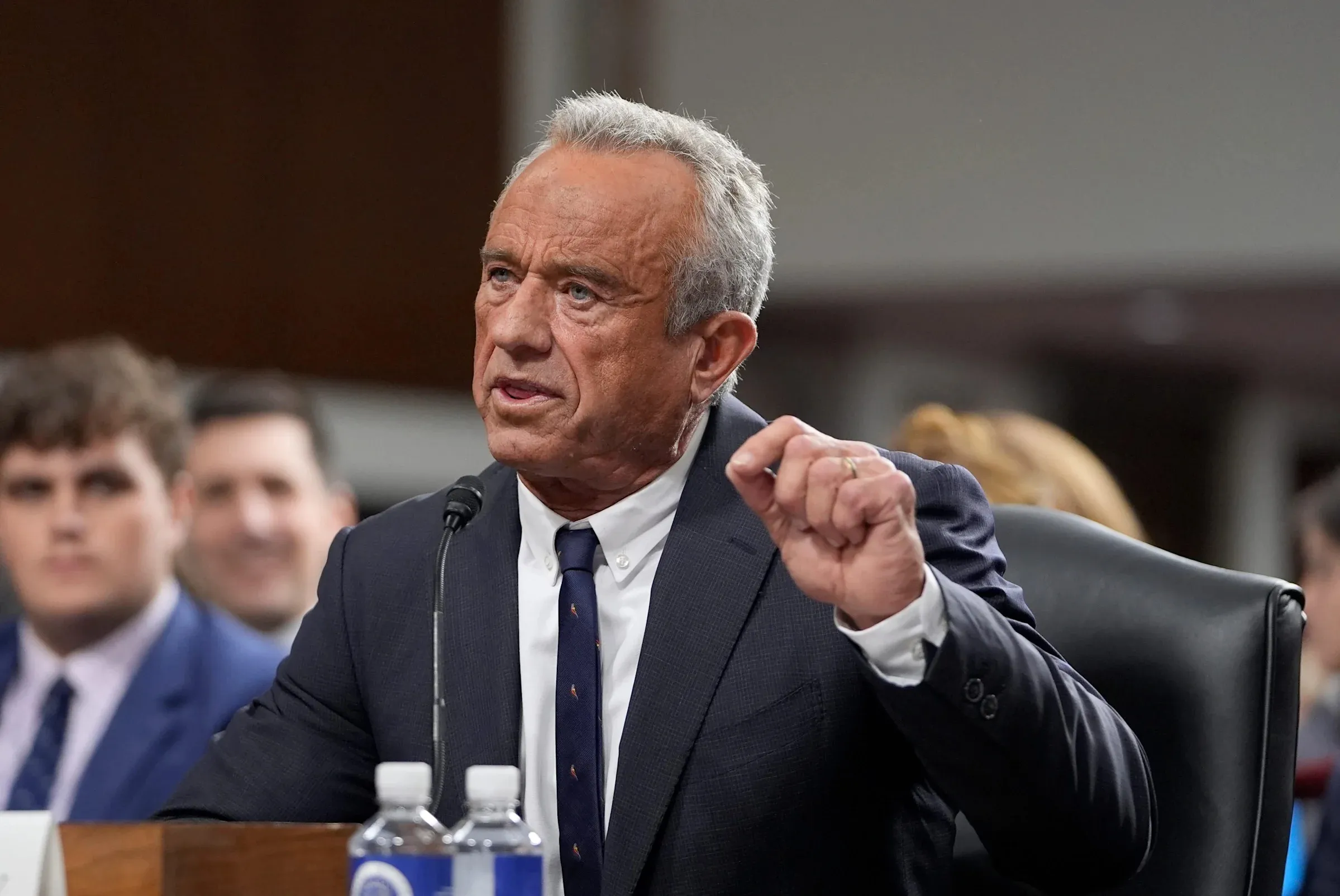
The vaccine advisory board led by Health and Human Services Secretary Robert F. Kennedy Jr. is preparing to review and potentially alter the current hepatitis B vaccination schedule for newborns. The influential Advisory Committee on Immunization Practices (ACIP) will convene on December 4-5 to consider adjustments to the recommended timeline for routine childhood vaccines, which shield children from diseases including polio, measles, and whooping cough.
The primary item for discussion on Thursday is the hepatitis B vaccine. The panel will gather public input and hold a vote. Public health officials caution that postponing the initial dose, which is administered within 24 hours of birth, could undermine decades of progress in preventing the disease. Since the adoption of the three-dose regimen in 1991, hepatitis B infections among children and teens have fallen by 99%, significantly reducing chronic hepatitis cases that can lead to cirrhosis and liver cancer, according to a 2023 study from the U.S. Surgeon Generals journal.
"The birth dose is our most effective defense against lifelong chronic hepatitis B," explained Dr. Phil Huang, director of Dallas County Health and Human Services.
Reasons Behind Proposed Changes
RFK Jr., founder of the anti-vaccine organization Childrens Health Defense, has long expressed skepticism about vaccines. Since taking office, he replaced all 17 original ACIP members with new appointees, including individuals with vaccine-critical views.
During the committee's September meeting, a proposal to delay the first hepatitis B dose by at least one month for babies born to mothers who test negative for the virus was postponed. The panel has yet to decide whether it will recommend delaying the birth dose and, if so, for how long. Committee chair Kirk Milhoan told the Washington Post that the timing for any potential delay is still under discussion.
Former President Donald Trump has suggested postponing the vaccine until age 12, citing sexual transmission as a primary concern. However, the Centers for Disease Control and Prevention notes that hepatitis B can also spread through sharing personal items like razors or toothbrushes, as well as through blood exposure.
Public Health Perspective
Experts stress the importance of keeping the birth dose to protect infants, particularly since some mothers may be unaware of their hepatitis B status or lack access to prenatal care. "This virus can pass from mother to child, so vaccinating at birth is essential," said Dr. Raynard Washington, director of Mecklenburg County Public Health in North Carolina.
Kelly Gebo, dean of George Washington Universitys Milken Institute School of Public Health, highlighted that vaccination has nearly eradicated chronic hepatitis B among children. Unlike hepatitis C, hepatitis B has no cure, making prevention crucial. "Without vaccination, infants could contract the virus without knowing and face serious long-term health risks," Gebo added.
Broader Vaccine Policy Discussions
On Friday, the ACIP will review broader vaccine policies, including childhood and adolescent immunization schedules, monitoring by the CDC, and issues related to vaccine components. Public health officials warn that growing vaccine skepticism and funding cuts are already affecting disease prevention, noting rising cases of measles and whooping cough in cities like Chicago.
Washington and other public health leaders emphasize that a strong majority of Americans support vaccination, yet requests for exemptions are increasing. In his region, exemption requests for school-aged children have doubled to around 3% over the past five years, highlighting a troubling trend. "Political agendas should not dictate vaccine decisions, yet they are influencing the conversation," Washington said.
Potential Impact on Families
While ACIP can make recommendations, it cannot mandate vaccines. State policies, however, often tie school attendance to immunization compliance. Any change in the panels guidance could influence state regulations, insurance coverage, and hospital practices. "Discrepancies between states could create equity issues, affecting who gets vaccinated and when," Washington warned.
Experts caution that altering the hepatitis B vaccine schedule could have significant public health consequences, particularly for newborns and young children who rely on early protection from the virus.
Author: Benjamin Carter
Share

Can COVID-19 vaccines cause early miscarriage? No.
1 days ago 2 min read POLITICS

Twelve ex-Commissioners of the US FDA express grave concerns over agency's vaccine policy shift, according to NEJM
1 days ago 2 min read BUSINESS

Twelve former FDA leaders criticize current FDA vaccine chief's claims
1 days ago 2 min read POLITICS

US authorities are examining the Hepatitis B vaccine for newborns
1 days ago 2 min read POLITICS
Former FDA commissioners criticize Trump administration's vaccine plan
1 days ago 2 min read POLITICS

12 former FDA officials criticize statements made by current vaccine chief
1 days ago 3 min read HEALTH

Understanding the hepatitis B vaccine and the reasons behind Trump officials targeting it
1 days ago 3 min read POLITICS

Understanding the hepatitis B vaccination and the reasons behind Trump officials' focus on it
1 days ago 4 min read POLITICS
RFK Jr.’s advisory panel could revise recommendations on childhood vaccines
1 days ago 4 min read HEALTH

Important information about hepatitis B vaccination for infants before CDC vaccine panel meeting
2 days ago 3 min read HEALTH