

A US F-16 pilot evaded enemy missiles with high-G turns for 15 minutes during a mission in the Middle East
- Last update: 2 days ago
- 3 min read
- 9 Views
- POLITICS
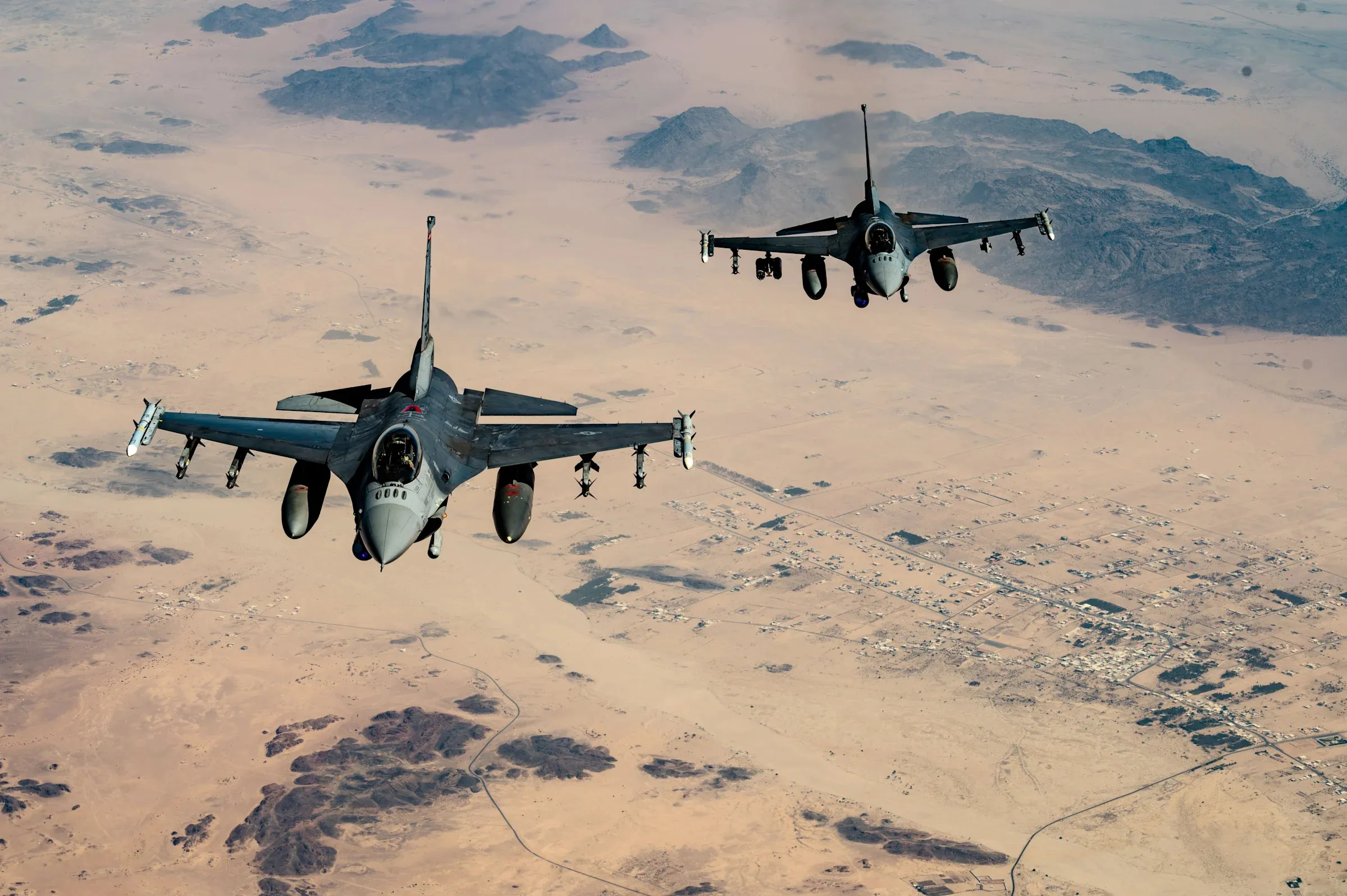
In March, a United States Air Force F-16 pilot navigated through a 15-minute onslaught of enemy missiles during a Middle East mission, executing extreme maneuvers as explosions erupted mere feet from his aircraft. The event occurred amid the US militarys air campaign targeting Houthi forces.
Lieutenant Colonel William Parks was awarded the Silver Star, the nations third-highest medal for combat valor, at the Pentagon last week, according to an Air Force statement and official citation obtained by media sources. The mission on March 27 fell under the US Central Command's jurisdiction, covering the Middle East, though exact locations were not disclosed. The timing coincides with Operation Rough Rider, a multi-week bombing effort against Houthi rebels in Yemen.
Parks led a squadron of 21 strike aircraft as mission commander, directly flying four F-16 Fighting Falcons in a suppression of enemy air defenses (SEAD) role. SEAD missions aim to disable radars and surface-to-air missile systems, providing safer conditions for allied aircraft. During the operation, Parks deliberately flew into the range of defenses surrounding an enemy stronghold, enabling US forces to destroy ballistic missile production sites.
Throughout the mission, Parks fighter endured continuous surface-to-air missile and anti-aircraft artillery fire for 15 minutes. He executed high-G maneuvers and deployed countermeasures as munitions detonated dangerously close. F-16 jets can withstand up to nine Gs under full load, though the human body typically manages 45 Gs briefly; trained pilots can endure more, but prolonged exposure risks loss of consciousness. The exact G-force Parks endured remains unspecified.
Adding to the challenge, Parks coordinated an emergency refueling with two tankers while still over hostile territory, ensuring his flight had enough fuel and preventing potential losses. His actions directly contributed to the survival of both himself and his wingman, according to the award citation.
During an eight-month deployment, Parks squadron successfully neutralized a record 108 enemy drones and cruise missiles, supporting multiple US operations in the region, including anti-ISIS missions. He also demonstrated cost-effective combat strategies, employing laser-guided rockets and older AIM-9M missiles to eliminate threats, saving the US military more than $25 million.
This engagement marked the first successful combat use in three decades of the AIM-9M Sidewinder missile, a supersonic weapon initially developed by the US Navy in the 1950s. Less than 100 Air Force personnel have earned the Silver Star since its inception, highlighting the rarity of Parks recognition.
The Air Force credited him with intercepting six weapons aimed at the aircraft carrier USS Harry S. Truman, central to counter-Houthi operations, and five missiles targeting his F-16. Parks, coming from a family with multiple aviators, described receiving the Silver Star as an "incredible" honor that reflects his familys legacy in aviation.
Author: Sophia Brooks
Share

Trump's Swollen Hand After Injury
1 minutes ago 1 min read POLITICS

Trump's executive order on birthright citizenship goes to the Supreme Court
3 minutes ago 2 min read POLITICS

FEMA declines Newsom's meeting request during quiet effort to secure funding for L.A. fires
3 minutes ago 3 min read POLITICS

Redistricting prompts California GOP congressman to consider relocating to Texas: Here's why he's hesitant, according to AP
3 minutes ago 3 min read POLITICS

Tribal Nations Unite Behind New Economic Alliance, Electing Tunica-Biloxi Chairman Pierite as President
5 minutes ago 3 min read POLITICS

Newsom accuses Trump of neglecting aid for wildfires
9 minutes ago 3 min read POLITICS

Supreme Court Allows Trump to Move Closer to Ending Birthright Citizenship
12 minutes ago 2 min read POLITICS

5 important points from Trump's latest national security strategy
12 minutes ago 3 min read POLITICS
Contributor: The Supreme Court's 3 flawed justifications for upholding Texas' racially biased map
16 minutes ago 3 min read POLITICS
State Department to ban disinformation workers from entering U.S.
16 minutes ago 2 min read POLITICS