

Trump's executive order on birthright citizenship goes to the Supreme Court
- Last update: 1 hours ago
- 2 min read
- 867 Views
- POLITICS
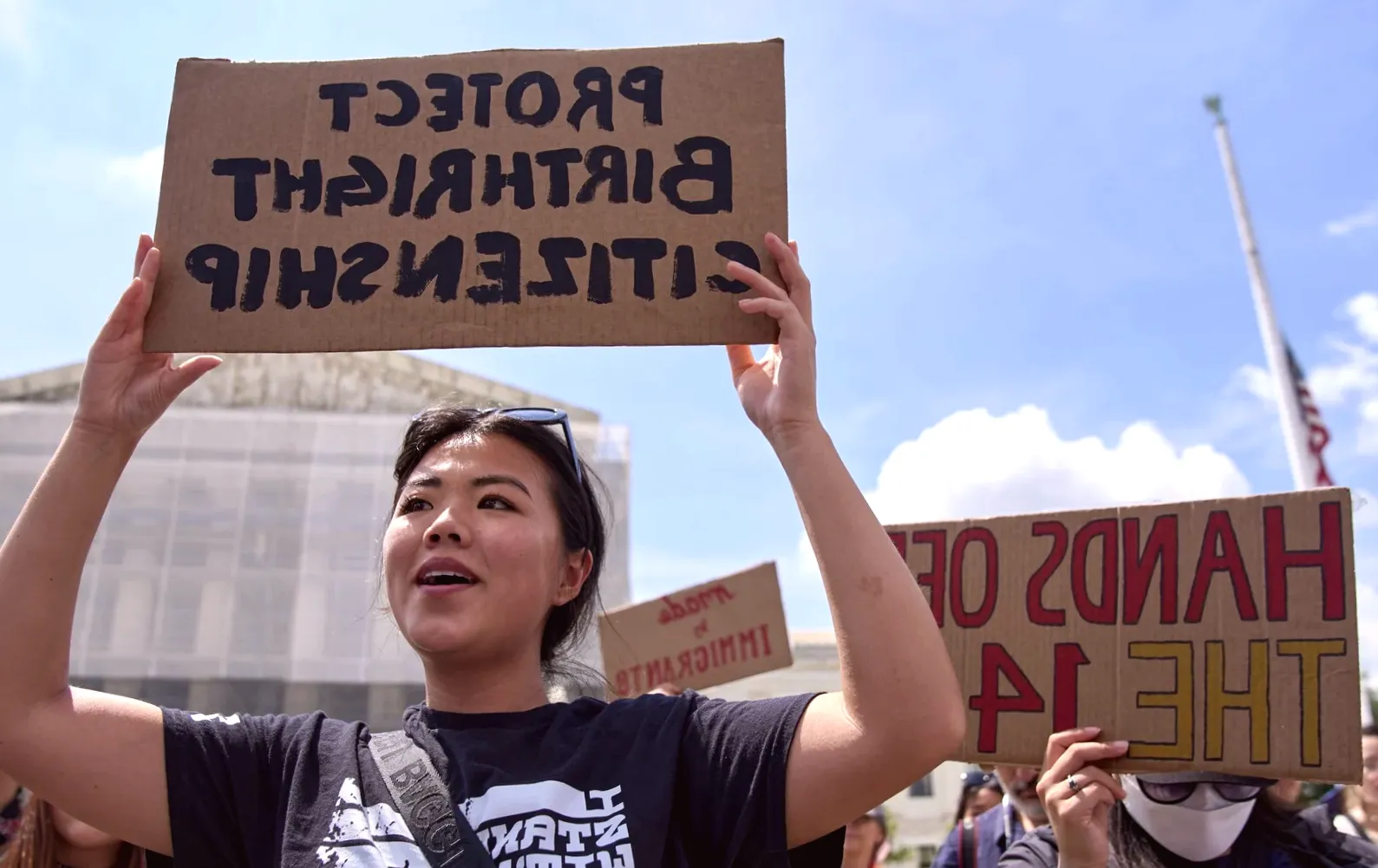
The Supreme Court announced on Friday that it will consider arguments regarding President Donald Trumps executive order concerning birthright citizenship. The order, issued at the start of his second term, declares that children born in the United States to parents who are undocumented or temporarily residing in the country are not automatically U.S. citizens.
Lower courts have consistently deemed the directive unconstitutional. The 9th U.S. Circuit Court of Appeals, for instance, ruled in July that the order conflicts with the clear language of the 14th Amendment, which grants citizenship to all persons born in the United States and subject to its jurisdiction. This position persisted even after the Supreme Court in June criticized three federal district judges for exceeding their authority by issuing nationwide injunctions against the order.
The case under Supreme Court review originates from New Hampshire and is scheduled for argument in the spring, with a final decision expected by early summer. SangYeob Kim, director of the Immigrants' Rights Project at the ACLU of New Hampshire, stated, Our Constitution and over a century of court rulings make it clear: no politician has the power to decide which U.S.-born individuals qualify for citizenship. We will keep challenging this harsh executive order to ensure every child born here receives the full rights of citizenship.
The ACLU of New Hampshire, along with other legal advocates, represents plaintiffs in a nationwide class-action lawsuit against the order. Meanwhile, Trump administration Solicitor General D. John Sauer argued that noncitizens are not subject to the jurisdiction of the United States. Sauer noted in his Supreme Court appeal, The Fourteenth Amendments Citizenship Clause was intended to grant citizenship to formerly enslaved individuals and their children, not to children of aliens residing illegally or temporarily in the country.
This marks the first time a legal challenge to the birthright citizenship order has reached the Supreme Court for a final decision, although other Trump administration immigration measures have also faced lawsuits. Previous challenges have addressed the deployment of federal immigration agents in cities like Los Angeles and Chicago, including the methods of their enforcement and deportations carried out under the Alien Enemies Act.
Author: Logan Reeves
Share

Interpretation of one phrase will determine Supreme Court's decision on birthright citizenship
15 minutes ago 3 min read BUSINESS
The Supreme Court to review the most unconstitutional action taken by Trump
33 minutes ago 3 min read POLITICS

Supreme Court to consider case on birthright citizenship
37 minutes ago 2 min read POLITICS
Supreme Court to rule on legality of Trump's attempt to restrict birthright citizenship
48 minutes ago 3 min read POLITICS
Supreme Court to determine if Trump has the power to limit birthright citizenship
58 minutes ago 3 min read POLITICS
Supreme Court Allows Trump to Move Closer to Ending Birthright Citizenship
1 hours ago 2 min read POLITICS

Supreme Court to determine if Trump can restrict birthright citizenship constitutional right
1 hours ago 3 min read POLITICS
US Supreme Court to consider Trump's attempt to eliminate birthright citizenship
2 hours ago 2 min read POLITICS
Supreme Court to review Trump's challenge to birthright citizenship
2 hours ago 3 min read POLITICS
Supreme Court to Finally Hear Birthright Citizenship Case
2 hours ago 2 min read POLITICS