

Supreme Court to determine if Trump can restrict birthright citizenship constitutional right
- Last update: 1 hours ago
- 3 min read
- 410 Views
- POLITICS
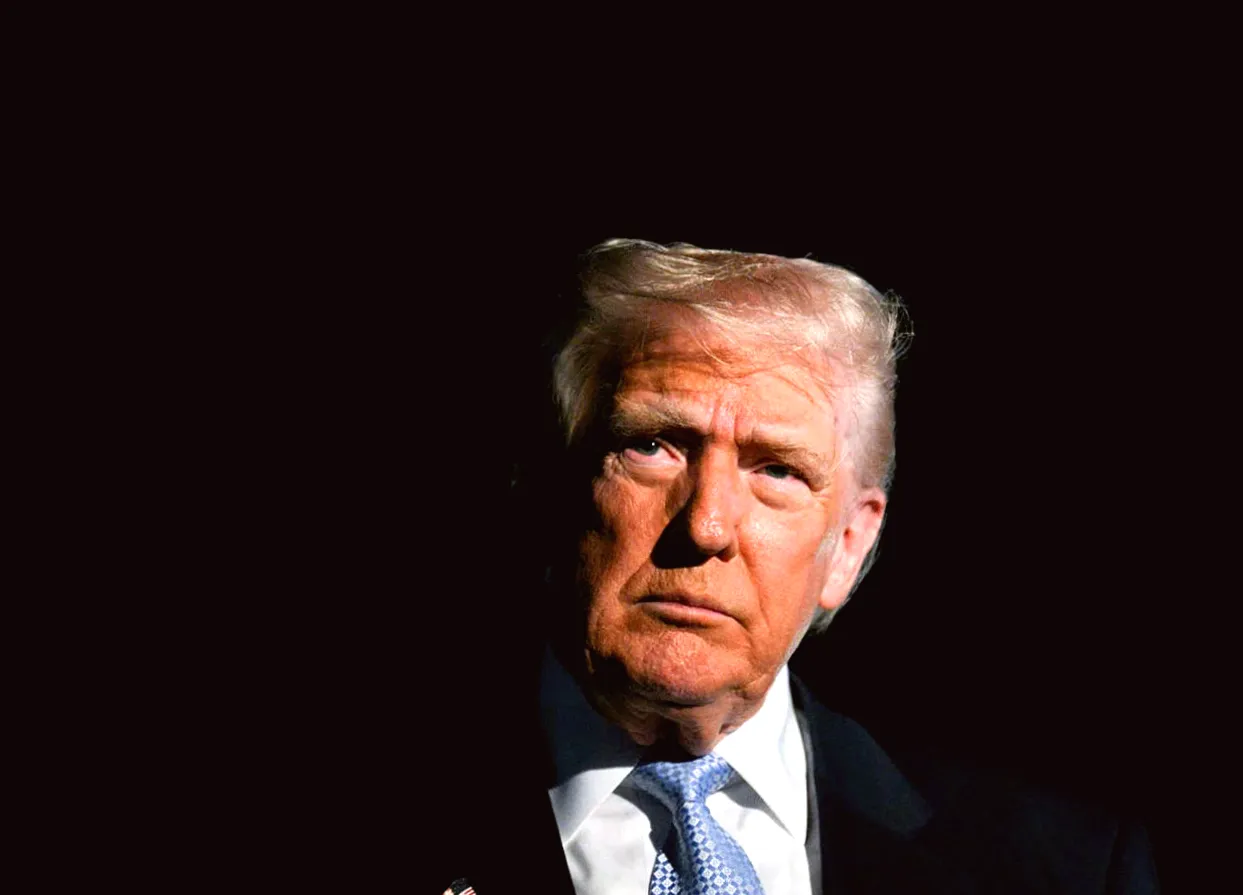
WASHINGTON The Supreme Court has agreed to examine the legality of former President Donald Trumps controversial effort to limit automatic citizenship for nearly everyone born in the United States. The case, originating from New Hampshire, is expected to result in a decision by the end of June and could definitively determine whether Trumps proposal can advance.
The dispute highlights a confrontation between a president known for assertive executive actions and a Supreme Court with a 6-3 conservative majority that has largely avoided direct confrontations with the White House.
Birthright citizenship is widely understood to be guaranteed under the 14th Amendment, which declares: All persons born or naturalized in the United States, and subject to the jurisdiction thereof, are citizens of the United States. This provision, enacted after the Civil War, was intended to ensure citizenship for formerly enslaved Black people and their descendants.
Historically, legal experts have interpreted the clause as granting citizenship to nearly all born on U.S. soil, with exceptions mainly for children of foreign diplomats, invading armies, and certain Native American tribes. Trumps plan, part of his broader immigration crackdown, challenges this longstanding interpretation, aligning with a fringe theory advocated by anti-immigration groups.
Under the administrations proposal, citizenship would be granted only to children with at least one parent who is a U.S. citizen or lawful permanent resident. This would exclude children born to temporary visitors or undocumented immigrants. Solicitor General D. John Sauer argued that subject to the jurisdiction thereof should apply only to children who owe allegiance to the United States, not just those present under U.S. law. He claimed that previous interpretations granting citizenship broadly have had negative consequences.
Trumps executive order was framed as an effort to restore the Clauses original meaning.
The lawsuit involves plaintiffs represented by the American Civil Liberties Union, including two infants who would be directly affected by the order. Their attorneys contend the executive order contradicts the Constitution, Supreme Court precedent, congressional intent, longstanding executive practice, scholarly consensus, and over a century of national practice. They cite the 1898 case United States v. Wong Kim Ark, in which the Court confirmed that a man born in San Francisco to Chinese parents was a U.S. citizen.
The policy, first announced on Trumps inauguration day, Jan. 20, has repeatedly been struck down in lower courts, including in New Hampshire, and has not been implemented. The administration has successfully sought Supreme Court review to prevent lower courts from blocking the plan nationwide, though the Court has not yet addressed the executive orders legal merits.
While the Supreme Court has generally sided with Trump in other cases this year, experts suggest the birthright citizenship issue may prove more contentious. The Court is also set to consider cases involving the presidents authority over tariffs and the firing of members of federal agencies, including the Federal Reserve, in the coming months.
Author: Caleb Jennings
Share
Supreme Court to consider case on birthright citizenship
15 minutes ago 2 min read POLITICS
Supreme Court to rule on legality of Trump's attempt to restrict birthright citizenship
26 minutes ago 3 min read POLITICS
Supreme Court to determine if Trump has the power to limit birthright citizenship
36 minutes ago 3 min read POLITICS
Trump's executive order on birthright citizenship goes to the Supreme Court
42 minutes ago 2 min read POLITICS

Supreme Court Allows Trump to Move Closer to Ending Birthright Citizenship
51 minutes ago 2 min read POLITICS

Supreme Court to determine if Trump can terminate birthright citizenship
1 hours ago 3 min read POLITICS
US Supreme Court to consider Trump's attempt to eliminate birthright citizenship
1 hours ago 2 min read POLITICS
Supreme Court to review Trump's challenge to birthright citizenship
1 hours ago 3 min read POLITICS
Supreme Court to Finally Hear Birthright Citizenship Case
1 hours ago 2 min read POLITICS

US Supreme Court to Determine Legality of Trump's Birthright Citizenship Order
2 hours ago 2 min read POLITICS