
The Supreme Court to review the most unconstitutional action taken by Trump
- Last update: 1 hours ago
- 3 min read
- 703 Views
- POLITICS
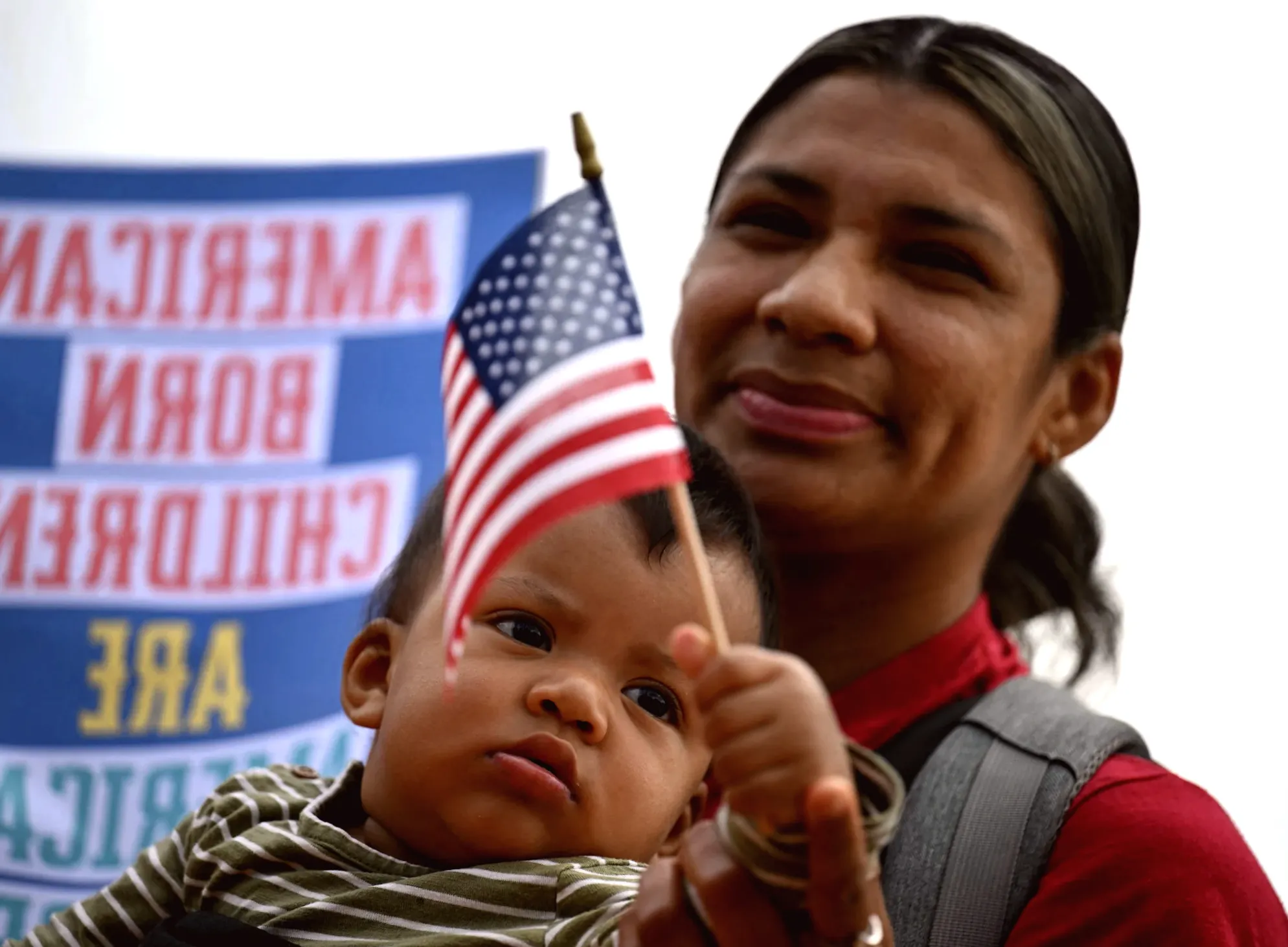
In January, Judge John Coughenour, appointed by President Reagan, became the first federal judge to block former President Donald Trumps effort to revoke birthright citizenship. Reflecting on his extensive judicial experience, Coughenour stated, Ive been on the bench for over forty years, and I cant recall a clearer constitutional question than this one.
Over the past year, multiple judges have reached the same conclusion: the Constitution does not grant Trump the authority to strip citizenship from individuals born on U.S. soil.
After considerable delay, the Supreme Court announced that it will hear Trump v. Barbara, a case challenging whether the Constitution allows the president to unilaterally revoke citizenship for Americans born in the country. If the Court applies a nonpartisan approach, the outcome is expected to favor the plaintiffs overwhelmingly.
On the first day of his second term, Trump issued an executive order titled Protecting the Meaning and Value of American Citizenship, which aimed to remove citizenship from two groups of children. The first group includes children born to undocumented mothers with fathers who are neither U.S. citizens nor lawful permanent residents. The second group involves children whose fathers share a similar immigration status while the mothers were lawfully but temporarily in the U.S. at birth.
Birthright citizenship is one of the most settled areas of U.S. law. Following the Civil War, the Fourteenth Amendment was ratified, beginning with the line: All persons born or naturalized in the United States, and subject to the jurisdiction thereof, are citizens of the United States and of the State wherein they reside. This guarantees citizenship to all individuals born in the country, regardless of their parents immigration status.
The amendment includes a narrow exception for those not subject to the jurisdiction of the United Statesessentially, individuals not bound by U.S. law. Historically, this applied to children of certain foreign diplomats, enemy occupiers, and members of Native American tribes prior to 1924. The Supreme Court affirmed these limited exceptions in United States v. Wong Kim Ark (1898).
Trumps legal team has attempted to reinterpret the Fourteenth Amendment, arguing it applies only to children completely subject to U.S. political jurisdiction, implying direct allegiance to the nation. However, these terms do not appear in the Constitution, and the argument relies on adding words that are not present in the text.
The legal consensus remains clear: any child born in the United States, who is not immune from its laws, is a citizen. The Supreme Court will now decide whether Trumps attempt to bypass this principle has any constitutional validity.
Author: Aiden Foster
Share

Interpretation of one phrase will determine Supreme Court's decision on birthright citizenship
51 minutes ago 3 min read BUSINESS
Supreme Court to consider case on birthright citizenship
1 hours ago 2 min read POLITICS
Supreme Court to rule on legality of Trump's attempt to restrict birthright citizenship
1 hours ago 3 min read POLITICS
Supreme Court to determine if Trump has the power to limit birthright citizenship
1 hours ago 3 min read POLITICS
Trump's executive order on birthright citizenship goes to the Supreme Court
1 hours ago 2 min read POLITICS
Supreme Court Allows Trump to Move Closer to Ending Birthright Citizenship
1 hours ago 2 min read POLITICS
Supreme Court to determine if Trump can terminate birthright citizenship
2 hours ago 3 min read POLITICS
US Supreme Court to consider Trump's attempt to eliminate birthright citizenship
2 hours ago 2 min read POLITICS
Supreme Court to review Trump's challenge to birthright citizenship
2 hours ago 3 min read POLITICS
Supreme Court to Finally Hear Birthright Citizenship Case
2 hours ago 2 min read POLITICS