

Ex-JAGs analyze legal justification for second boat strike by Trump administration
- Last update: 2 days ago
- 3 min read
- 464 Views
- POLITICS
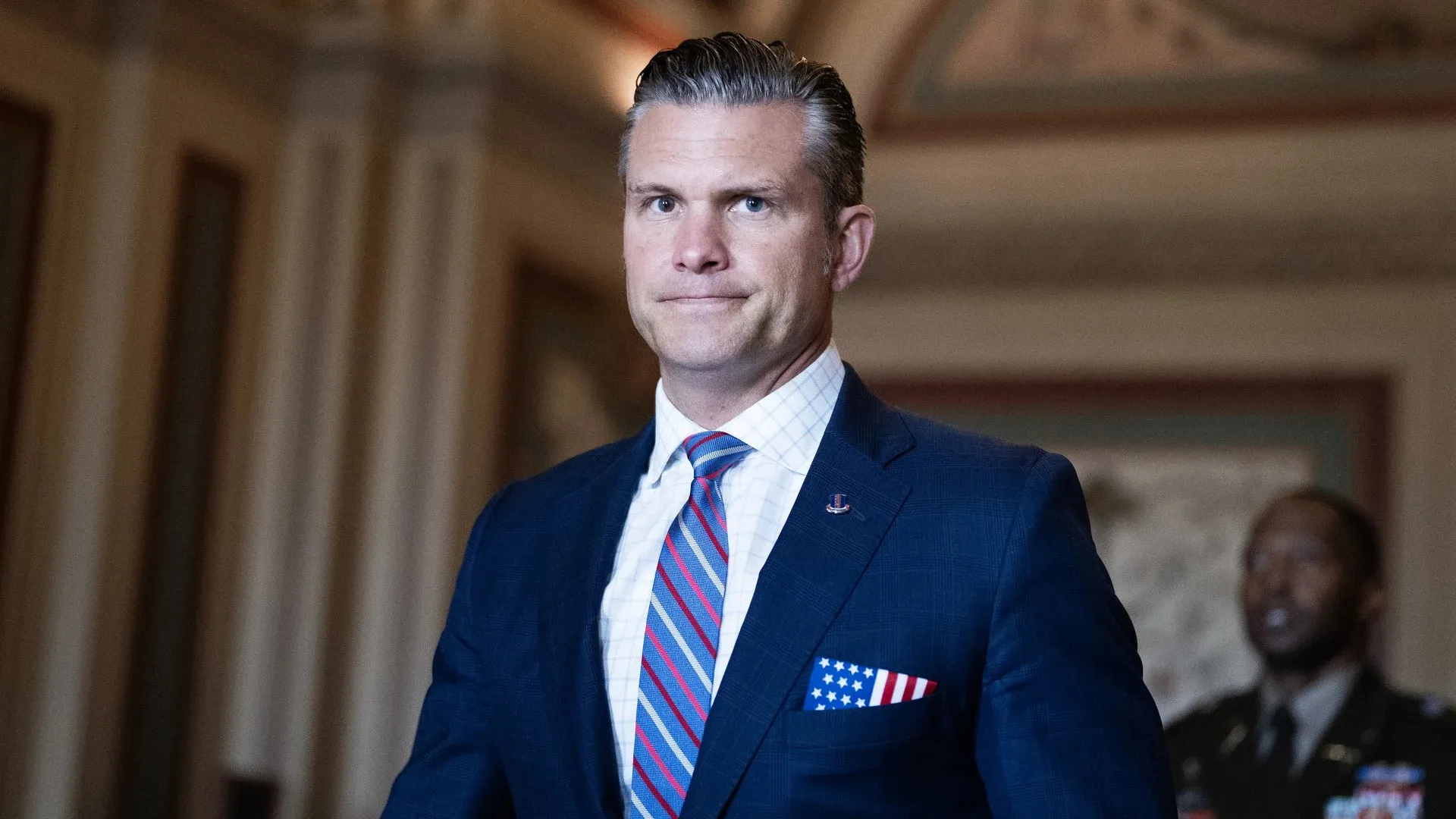
The United States has carried out multiple attacks on suspected drug trafficking vessels in the Caribbean, drawing commentary from both political sides while legal experts largely agree on the illegality of the actions. Nearly two dozen strikes have occurred, resulting in over 80 fatalities. The Trump administration maintains these vessels were manned by drug traffickers, though no evidence has been publicly provided.
The first strike received intense scrutiny after anonymous sources informed The Washington Post that Secretary of Defense Pete Hegseth allegedly instructed the responsible military unit to eliminate them all, leading to a second strike on a boat carrying survivors of the initial attack. White House Press Secretary Karoline Leavitt defended the follow-up attack as necessary for self-defense to protect Americans. Other officials framed it as a preemptive action to prevent others from claiming the narcotics onboard.
Critics have condemned the second strike as a potential war crime for targeting unarmed individuals. Some conservative commentators, however, defended the operations. Megyn Kelly expressed strong support for aggressive action, while Fox News commentator Mark Levin called it an example of decisive leadership. Yet, not all conservatives agreed. Andrew McCarthy, a former federal prosecutor, described the strikes as potentially illegal under federal law, citing the lack of congressional authorization and the absence of a military threat from the vessels.
Progressive voices also criticized the operations on ethical and legal grounds. Jimmy Kimmel labeled them war crimes, and Sara Haines referred to them as murder. Legal authorities overwhelmingly concur that the strikes lack a lawful basis. Geoffrey Corn, law professor and director of the Center for Military Law and Policy at Texas Tech University, stated, I've never seen this much consensus on an issue of war law as I've seen here. These strikes are unlawful.
Rachel VanLandingham, law professor and retired Air Force lieutenant colonel, emphasized that there was no armed conflict justifying the use of lethal force, describing the attacks as crimes against humanity. Corn noted that true armed conflict requires organized military forces engaging in sustained combat, which was not the case with these vessels. He stressed that the actions went beyond the pragmatic interpretation of armed conflict applied against groups like al-Qaida or ISIS.
Experts argue that congressional oversight is crucial. Corn noted that internal legal advisors often question orders, yet many may have been sidelined under the administration. VanLandingham emphasized that public pressure on representatives could be essential in halting such operations.
Regarding the controversial double strike, Corn explained that legally targeting a vessel differs from targeting individuals. He highlighted that military law explicitly forbids killing shipwrecked sailors, marking such orders as unlawful. Hegseth and Admiral Frank Bradley, associated with the second strike, could face future prosecution, although a presidential pardon remains a possibility. VanLandingham noted that military personnel have an absolute legal duty to disobey manifestly unlawful orders.
The controversy underscores ongoing debate over the legality and ethics of U.S. maritime operations in the Caribbean, raising questions about accountability and adherence to both domestic and international law.
Author: Zoe Harrison
Share

Pentagon aware of survivors from boat attack but still carried out follow-up strike, say AP sources
1 days ago 2 min read WORLD
Trump agrees to release video of second strike on suspected drug vessel
1 days ago 2 min read POLITICS
Trump supports the release of a second video of a boat collision.
1 days ago 2 min read WORLD

Trump disavows second boat strike, promises imminent land attacks
2 days ago 3 min read POLITICS
Trump announces plans to expand strikes on drug boats to include land targets
2 days ago 3 min read POLITICS
Pentagon Confirms Admiral's Decision on 'Double Tap' Strike was Correct
2 days ago 3 min read POLITICS
US Defense Secretary declares that the country has just started attacking suspected drug boats.
2 days ago 3 min read POLITICS
Trump's boat bombings: The history of the US using 'double-tap' strikes
3 days ago 3 min read POLITICS
Legal experts label Trump administration's admission as a war crime
3 days ago 3 min read POLITICS

Understanding the Conflict Between the U.S. and Venezuela
3 days ago 2 min read WORLD