

Trump's boat bombings: The history of the US using 'double-tap' strikes
- Last update: 3 days ago
- 3 min read
- 39 Views
- POLITICS
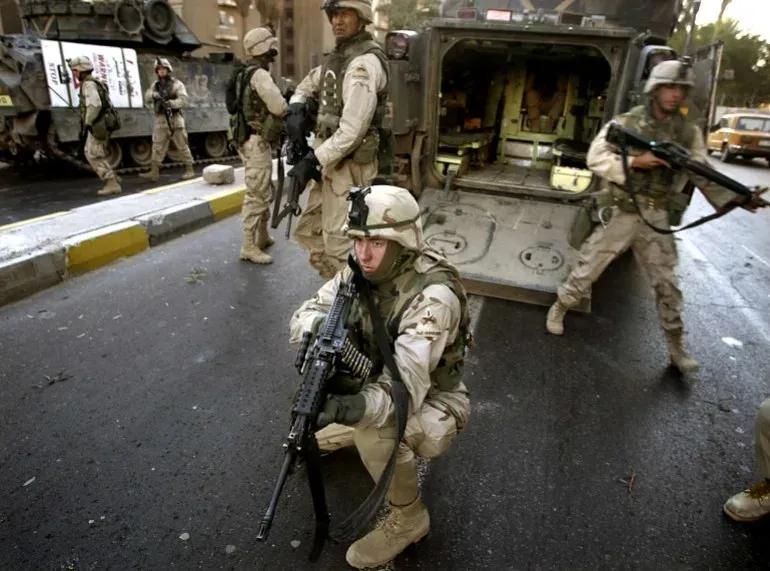
The White House has acknowledged that a senior US Navy officer ordered a second strike on a Venezuelan vessel in September, despite the first attack nearly obliterating it. A double-tap strike involves hitting the same target twice, often putting first responders and civilians at risk.
Details of the September Strikes
On September 2, US forces targeted a boat in the Caribbean as part of a broader campaign against drug trafficking. The operation has reportedly killed over 80 people and targeted at least 21 vessels alleged to be involved in drug transport, although no evidence has been released publicly.
The initial strike destroyed the boat and killed nine people, leaving two survivors clinging to debris. According to reports, Admiral Frank Bradley, the mission commander, then authorized a second strike, killing the remaining survivors. Reports suggest Bradley acted after receiving a verbal order from Defense Secretary Pete Hegseth, though Hegseth denies issuing such instructions. White House Press Secretary Karoline Leavitt stated that Bradley acted within his authority and the law.
US History with Double-Tap Strikes
The United States has been identified as a frequent user of double-tap strikes in recent decades. Notable incidents include:
- April 2023: Airstrikes on Yemens Ras Isa oil port targeted economic assets of the Houthi movement. Reports indicate a second strike hit civilians and first responders, although the US has not confirmed this as a double-tap.
- September 2017: Drone strikes in Al Bayda, Yemen, reportedly hit those aiding initial casualties. US CENTCOM confirmed three strikes that day, targeting al-Qaeda members, though local reports suggest civilian deaths occurred.
- April 2017: Pentagon strike in Shabwa governorate killed eight al-Qaeda fighters; other sources indicated civilians were killed in a second strike on first responders.
- July 2012: In North Waziristan, a tent believed to house al-Qaeda operatives was hit twice, killing 18 people including miners and woodcutters who arrived to help after the first strike.
- 20032004: During the Iraq invasion and Fallujah battles, US troops reportedly fired on injured or appearing-dead Iraqis, actions later scrutinized but not legally charged.
Legal Context
While double-tap strikes are not directly classified as war crimes, international law limits attacks on medics, rescue personnel, and the wounded under the 1949 Geneva Conventions.
Historical Origins
The practice dates back to the 19th century, with British soldiers at the Battle of Waterloo firing on fallen French troops. It continued through World War I and II, with multiple armies ensuring enemy soldiers were incapacitated. In modern times, other nations, including Israel, have been accused of similar strikes, such as in Gazas Khan Younis, where double-tap shelling injured first responders.
Author: Sophia Brooks
Share
Trump's national security strategy emphasizes 'fostering opposition' in Europe and reshaping US' role in the Western Hemisphere.
6 minutes ago 3 min read POLITICS

Video Shows Hegseth Lied About Crucial Detail in Boat Bombing
6 minutes ago 1 min read POLITICS

Trump, 79, Is Concerned About Reports That He's an Exhausted Elderly Man
6 minutes ago 2 min read POLITICS

Trump Warns of 'Complete and Total OBLITERATION' if Democrats Take Power
7 minutes ago 2 min read POLITICS

Bongino admits he was paid for his opinions on past pipe bomb cover-up claim
14 minutes ago 2 min read POLITICS

Lessons for Democrats from Tennessee: Aftyn Behn and Rahm Emanuel on Whole Hog Politics
17 minutes ago 3 min read POLITICS
Understanding the who and what of presidential power
18 minutes ago 3 min read POLITICS
Trump selects new architect for $300 million White House renovation project
20 minutes ago 2 min read POLITICS

Hamas officials establish new security protocols due to concerns about Israeli assassination plot
20 minutes ago 2 min read POLITICS

Trump recruits a new architect for his $300M White House ballroom following disagreements with previous one over its size
28 minutes ago 2 min read POLITICS