

How USS Gettysburg Shot Down One Super Hornet and Almost Another
- Last update: 1 hours ago
- 3 min read
- 485 Views
- POLITICS
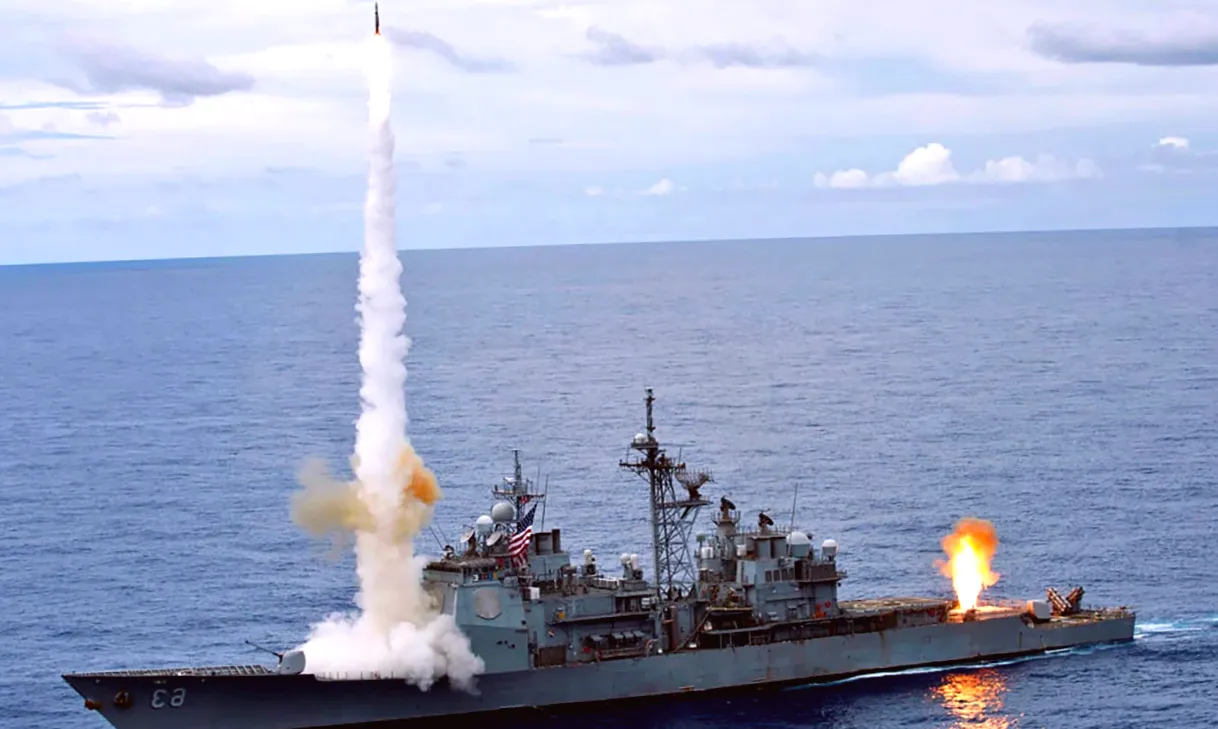
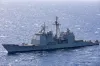
During an approach to land on the aircraft carrier USS Harry S. Truman, the pilot of an F/A-18F Super Hornet noticed a Standard Missile-2 (SM-2) launched from the Ticonderoga-class guided missile cruiser USS Gettysburg streaking toward them. Initially, the pilot assumed the missile was intercepting a Houthi drone or cruise missile, part of multiple attacks on the carrier strike group on December 22, 2024, by the Yemeni rebel faction. However, the missile altered its trajectory directly toward the Super Hornet, which was performing aerial refueling at the time, revealing a misidentification.
The Gettysburg had mistaken the Super Hornet for a Houthi anti-ship missile, triggering a potentially catastrophic friendly fire event. A Navy investigation, released Thursday, details the sequence of errors, system failures, and miscommunications that led to the incident. This report is part of four inquiries into mishaps during the Truman's deployment, which also included two other Super Hornet losses and a collision with a merchant vessel.
As the SM-2 closed in around 2 a.m. local time, the Super Hornets pilot warned the Weapons Systems Officer, who confirmed tracking the missile. Both ejected safely before the aircraft was struck. Minutes later, a second Super Hornet approaching the carrier witnessed the first missile detonation and narrowly avoided another missile launched from the Gettysburg. The pilot accelerated past the threat just as the missile motor burned out, allowing the aircraft to land safely after turbulence caused by the near miss.
The investigation identified several contributing factors. The Truman Carrier Strike Group had entered the Red Sea only a week prior and had recently launched attacks on Houthi targets. The Gettysburg had been detached from the strike group and returned only three days before the incident, limiting coordination and training with the carrier group. The cruisers crew had not participated in pre-mission planning for the December 21 operation, which contributed to the misidentification of friendly aircraft.
Technical failures compounded the situation. The Gettysburg experienced repeated Link 16 tactical datalink outages, degrading the flow of positioning, surveillance, and weapons coordination data. The Identification Friend or Foe (IFF) system also malfunctioned multiple times, producing stale or incorrect tracking information. These issues, combined with conflicting commands and reduced radar coverage due to helicopter operations, left the ship unable to reliably identify the Super Hornets.
Systemic challenges with the Aegis Weapon System on surface combatants were also highlighted. Software problems across multiple ships affected defensive operations, prompting over $55 million in corrective measures and an ongoing retraining initiative involving 15 new programs led by the Naval Surface and Mine Warfare Development Center.
The Navy held the Gettysburgs commanding officer accountable for the shootdown and near miss, citing low situational awareness and inability of the Combat Information Center team to correct the errors. The investigation concluded that the engagement was neither responsible nor prudent and could have been prevented through multiple levels of intervention. Capt. Justin Hodges, the officer in command at the time, was later relieved and replaced, though names of those responsible and any punitive measures were redacted from the public report.
Despite the extensive system and procedural failures, Navy officials confirmed that accountability actions were taken across all involved personnel, while keeping specific details confidential.
Author: Ava Mitchell
Share
The 'Threat' Used to Justify Killing 2 Boat Attack Survivors Was Purely Speculation
1 hours ago 4 min read WORLD
A Navy jet's $60 million aircraft carrier landing goes awry in seconds with a bang and sparks
1 hours ago 3 min read WORLD
A Navy warship mistakenly fires at US fighter jets, pilot's life flashes before his eyes.
7 hours ago 2 min read WORLD
A US aircraft carrier's sudden maneuver to dodge enemy fire caught sailors off guard and caused a jet with faulty brakes to crash into the sea
7 hours ago 2 min read POLITICS
Houthi combat stress identified as main factor in costly Navy mishaps, investigations reveal
10 hours ago 4 min read WORLD
Navy reveals 'catastrophic' discoveries regarding USS Harry S. Truman
10 hours ago 2 min read POLITICS
Lessons learned from the Navy's investigations into 4 mishaps during Houthi campaign
10 hours ago 3 min read POLITICS
Navy finds operations against Houthis contributed to Truman Strike Group accidents
13 hours ago 3 min read POLITICS
A Navy warship mistakenly fires at US fighter jets, pilot narrowly escapes.
13 hours ago 2 min read WORLD
Navy Cruiser Releases Investigation Findings on F/A-18 Super Hornet Being Shot Down
1 days ago 3 min read POLITICS