

A US aircraft carrier's sudden maneuver to dodge enemy fire caught sailors off guard and caused a jet with faulty brakes to crash into the sea
- Last update: 51 minutes ago
- 2 min read
- 376 Views
- POLITICS
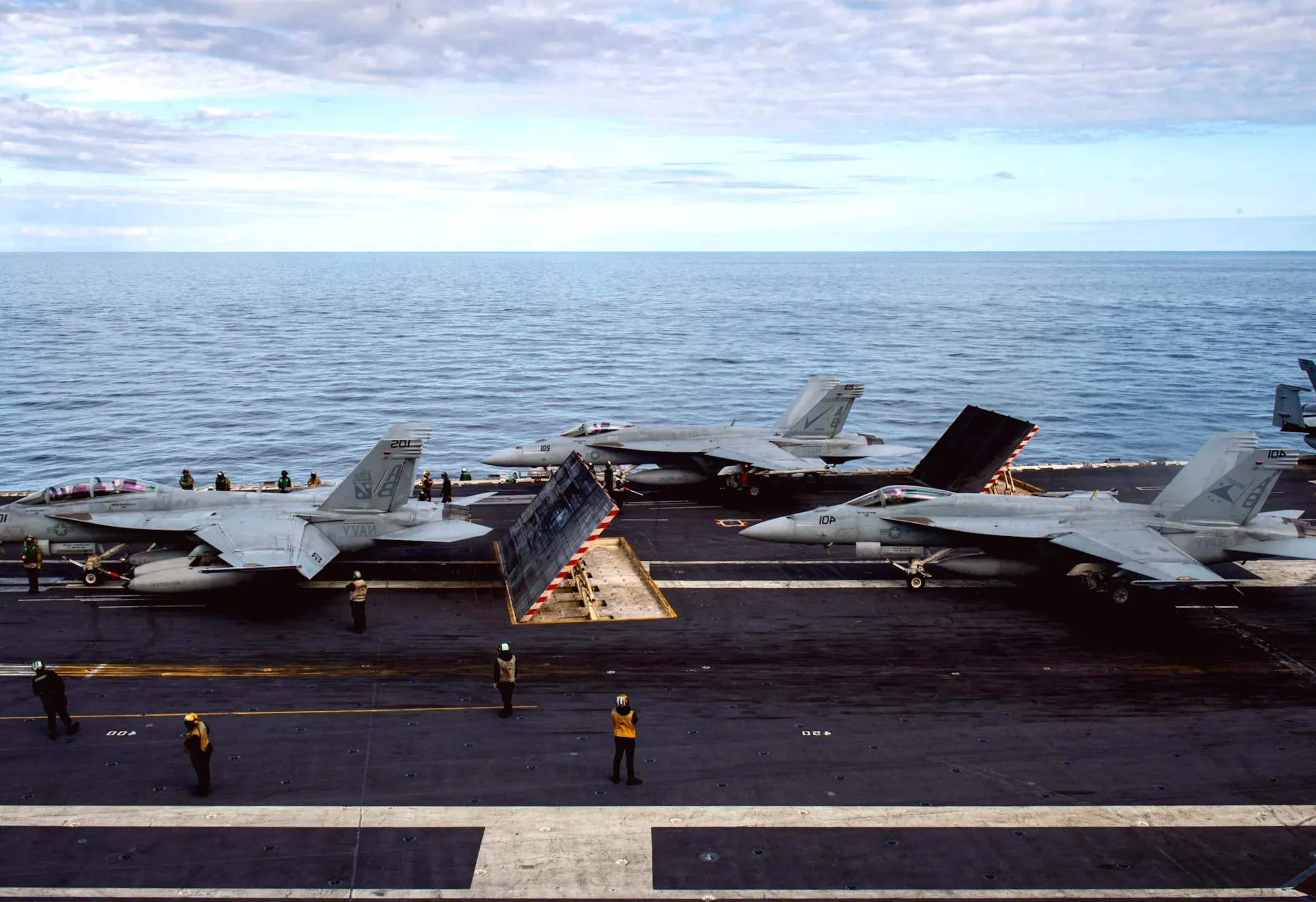
A US Navy aircraft carrier executed a sharp maneuver to dodge enemy missile fire, resulting in a fighter jet sliding off the deck and into the Red Sea. An official investigation revealed that the sudden turn caught the crew off guard, while the F/A-18s brakes were malfunctioning, contributing to the accident.
The $60 million F/A-18 Super Hornet, along with a tow tractor, tumbled into the sea when the USS Harry S. Truman abruptly changed course during late April operations. Investigators determined that poor communication, faulty brakes, and slippery deck conditions all played a role in the mishap. This was the second of three F/A-18s the Truman lost during its monthslong Middle East deployment.
Incident Details
On April 28, the move crew lost control of an F/A-18 that was being towed in the carriers hangar bay. A sailor jumped from the cockpit just before the jet went overboard, sustaining minor injuries. The Navy did not disclose details about the ships status at the time of the incident.
The investigation found that the Truman was performing evasive maneuvers to avoid a medium-range ballistic missile fired by Houthi forces in Yemen. The move crew, preparing the F/A-18 for flight operations, was not informed that the ship was executing a hard turn. With the aircrafts brakes ineffective and chocks removed, there was nothing to prevent it from sliding backward toward the deck edge, dragging the tow tractor with it.
Causes and Contributing Factors
The official report cited several contributing factors:
- Malfunctioning brakes on the F/A-18.
- Poor communication between the ships bridge, flight deck control, and hangar bay.
- An aging non-skid deck surface, not replaced since 2018, reducing friction.
The combination of these issues led to the loss of the aircraft, a Boeing-made multirole fighter that has served in the Navy for decades.
Deployment Challenges
The Truman and its strike group had been conducting operations against the Iran-backed Houthi rebels, who had been targeting key shipping lanes in the Middle East. The April incident was one of several mishaps during the deployment. Previous incidents included a friendly fire shootdown in December, a collision with a cargo ship in February, and a third fighter jet lost in May due to a landing accident.
Author: Grace Ellison
Share

Are Americans in favor of Trump's boat strikes? It's complex.
4 minutes ago 3 min read POLITICS

Trump Inserts Bizarre Election Falsehood into Christmas Tree Celebration
5 minutes ago 2 min read POLITICS

Trump to embark on campaign against the affordability 'hoax'
8 minutes ago 2 min read POLITICS

Protesters Condemn Targeting of Somali Community by Anti-Trump Supporters
8 minutes ago 3 min read POLITICS

Live broadcast: Trump oversees signing of peace deal between Rwanda and Congo
9 minutes ago 1 min read POLITICS

Trump dismisses White House ballroom architect amid increasing scrutiny
10 minutes ago 3 min read POLITICS

Melania Trump embraces the Christmas spirit as construction weariness fades
13 minutes ago 2 min read POLITICS

Leticia James' attempt to reindict fails; Fresh boat strike adds to Capitol tensions
15 minutes ago 3 min read POLITICS

Van Epps takes oath of office 2 days after winning Tennessee special election
18 minutes ago 2 min read POLITICS

Greene criticized by GOP for missing votes following sudden resignation
18 minutes ago 2 min read POLITICS