

Implications for Maine from Superfund cuts and delays in PFAS cleanup
- Last update: 57 minutes ago
- 3 min read
- 316 Views
- POLITICS
Throughout its first term and again this year, the Trump administration has highlighted its focus on cleaning up hazardous waste sites and addressing persistent "forever chemicals." In a recent report listing the "100 top environmental achievements," the Environmental Protection Agency (EPA) showcased efforts to remediate Superfund sites and tackle per- and polyfluoroalkyl substances (PFAS).
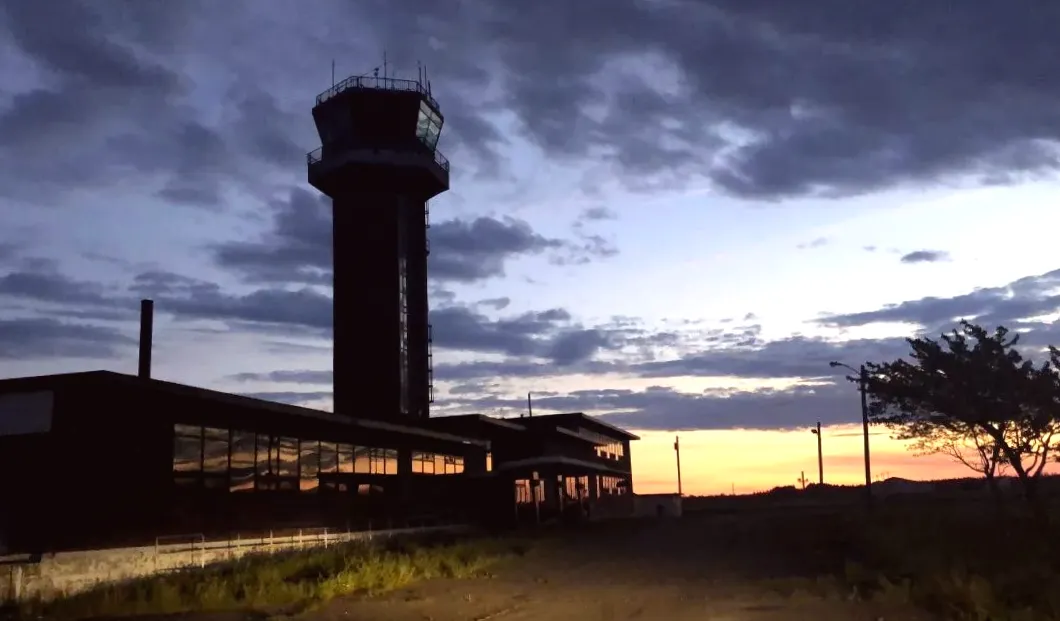
One notable EPA accomplishment involved enforcing the removal of PFAS foam and cleaning systems at Brunswick Executive Airport after nearly 1,500 gallons of PFAS-containing firefighting foam spilled at the former Navy site in August 2024.
EPA Administrator Lee Zeldin emphasized the agency's ongoing commitment to environmental protection, but concerns are rising as the Superfund program faces potential funding cuts next year, while the Pentagon has extended PFAS cleanup timelines at numerous military sites. Maine lawmakers and environmental advocates fear this could hinder progress at contaminated locations across the state.
The White House proposed cutting $254 million from the Superfund program, which was created in 1980 to clean up sites contaminated with lead, mercury, and other industrial pollutants. The 2026 budget request argued no additional funds were necessary due to a projected $1.6 billion from prior legislation, including the Infrastructure Investment and Jobs Act and the Inflation Reduction Act.
In July, the Senate Appropriations Committee, led by Maine Senator Susan Collins, approved a bill cutting only 5% of the EPAs overall funding, though the Superfund program would still face nearly a 50% reduction if the bill becomes law.
Maine hosts 13 active Superfund sites, including former military bases and industrial locations, some listed for decades. The Natural Resources Council of Maine criticized the proposed cuts, warning that they would prolong exposure to toxic pollutants and delay community revitalization and economic development.
Senator Angus Kings office noted that the administration has not clarified which sites would be affected. A spokesperson cautioned that significant cuts could halt some cleanup projects entirely.
Simultaneously, the Department of Defense (DoD) has postponed PFAS cleanups at over 100 military installations, in some cases by nearly ten years. In Maine, this affects the former Loring Air Force Base in Limestone and the former Brunswick Naval Air Station. Reports indicate that the PFAS remedial investigation at Loring has been delayed from June 2026 to September 2032, while Brunswick's timeline moved from December 2024 to December 2026.
The Maine Department of Environmental Protection (DEP) confirmed awareness of these delays but stated that remediation work continues, including long-term monitoring planning. Deputy Commissioner David R. Madore explained that timeline adjustments were necessary to address data gaps and site-specific conditions, a normal part of large-scale remediation efforts.
Madore clarified that ongoing cleanup at Loring is funded through the Base Realignment and Closure program and the Defense Environmental Restoration Program, not the EPA Superfund program.
Maine lawmakers, including Senator King and Representatives Chellie Pingree and Jared Golden, have pressed the DoD for explanations regarding the delays, labeling them unacceptable. Pingrees office emphasized the need for clear answers on slipping cleanup milestones and continued advocacy for timely remediation efforts nationwide.
Luke Frankel of the Natural Resources Council of Maine warned that delays in remedial investigations extend the period communities are exposed to harmful chemicals. He noted that actual PFAS cleanup may not occur until well beyond 2032 at sites like Loring.
Jonathan Judkins, CEO of the Loring Commerce Centre, said the delays are being factored into redevelopment planning. He noted that PFAS contamination is concentrated near the runway, an area unlikely to be repurposed for extensive construction, minimizing risks to water systems despite soil contamination.
Author: Zoe Harrison
Share

Implications for Maine from Superfund cuts and delays in PFAS cleanup
57 minutes ago 3 min read POLITICS

TFA 'forever chemical' discovered in common cereals throughout Europe
2 hours ago 2 min read WORLD

Do you have forever chemicals in your water? Here is the most recent data.
5 hours ago 3 min read US
Criticism of US officials over decision that may jeopardize public health: 'Revealing the true priorities'
11 hours ago 2 min read POLITICS

Wetlands captured toxic metals as world's largest battery power plant caught fire
2 days ago 4 min read WORLD
New homeowner shocked by water test results when authorities ignored concerns: 'It shocked me'
2 days ago 3 min read WORLD

Could California be introducing new PFAS pesticides? Here's what you need to know
3 days ago 3 min read HEALTH
Researchers uncover unsettling finding in blood samples: 'Provides insight into history'
3 days ago 2 min read HEALTH

Environmental Agency states that river foam had no environmental impact
5 days ago 2 min read ENVIRONMENT