

Kennedy's vaccine advisors to consider timing of hepatitis B vaccine in significant policy shift
- Last update: 23 hours ago
- 3 min read
- 358 Views
- POLITICS
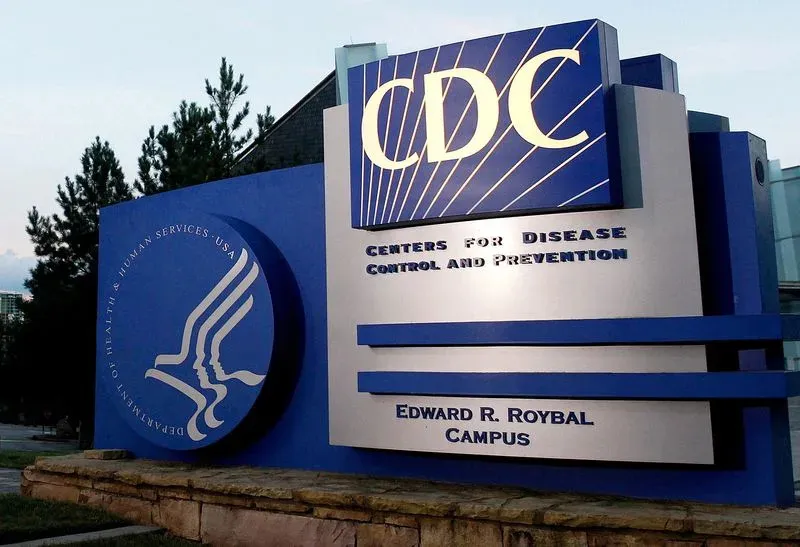
Dec 4 (Reuters) - Robert F. Kennedy Jr.'s vaccine advisory team is set to discuss on Thursday whether to postpone hepatitis B vaccinations for most American children, representing a major potential shift in U.S. vaccination policy under his leadership as health secretary.
The two-day meeting of the CDC's Advisory Committee on Immunization Practices (ACIP) will also include a vote on whether parents, in consultation with their healthcare providers, should have the option to delay the first hepatitis B shot until at least two months of age if the mother tests negative or has not been tested for the virus.
The advisers will further evaluate whether parents should be encouraged to seek a blood test before the next hepatitis B dose and whether insurance should cover it. Kennedy, who was previously known for anti-vaccine activism, has enacted broad policy changes including removing wide recommendations for COVID-19 vaccinations, splitting the measles-mumps-rubella vaccine from varicella for children under four, adding stricter requirements for vaccine trials, and reducing funding for mRNA-based vaccines.
Currently, the CDC recommends a three-dose hepatitis B series, with the first dose given within 24 hours of birth and subsequent doses at 12 months and 618 months, often administered as part of combination vaccines protecting against other diseases like polio and pertussis.
Dr. Kirk Milhoan, pediatric cardiologist and ACIP chair, noted the committee has not finalized the exact timeline for any postponement. Delaying the first dose beyond 23 months could affect the use of combination vaccines, potentially leading to supply challenges for at least a year, according to Demetre Daskalakis, former director at CDC's National Center for Immunization and Respiratory Diseases.
The ACIP provides recommendations that guide CDC policy, influence insurance coverage, and help physicians select appropriate vaccines. The current U.S. universal birth-dose policy, implemented in 1991, has reduced pediatric hepatitis B infections by over 95%, based on reviews of more than 400 studies and independent expert reports.
Hepatitis B, a viral infection transmitted through blood and body fluids, can cause severe liver disease. Infants infected during their first year have a 90% risk of developing chronic infection, increasing their likelihood of serious liver complications such as cirrhosis or cancer.
Manufacturers, including Merck, GSK, and Sanofi, have stated that the committee has not yet requested data on how a major change to the vaccination schedule would affect supply. The ACIP had previously postponed a vote on delaying the birth dose in September. Kennedy had earlier dismissed all 17 independent vaccine experts from the committee.
Past proposals, including one suggested by former President Donald Trump to delay the first dose until age 12, have highlighted that hepatitis B is often sexually transmitted. However, more than 10% of infected children have mothers who test negative, with transmission possible at home or daycare. Delaying the birth dose to 2 months for infants of mothers without known infection could result in at least 1,400 preventable infections, 300 additional liver cancer cases, and 480 avoidable deaths, according to analysis by researchers and hepatitis advocacy groups.
Author: Ethan Caldwell
Share
RFK Jr's panel to consider postponing hepatitis B vaccinations for newborns
22 hours ago 2 min read POLITICS

They were infected with hepatitis before receiving the birth vaccine - now the vaccination schedule may be postponed once more
22 hours ago 3 min read HEALTH

CDC advisory committee convenes to discuss hepatitis B vaccination, childhood immunization schedule
23 hours ago 3 min read POLITICS

CDC panel to decide on hepatitis B vaccination for infants
23 hours ago 3 min read POLITICS

Kennedy's selected CDC advisors to consider significant alteration to childhood vaccine schedule
1 days ago 4 min read HEALTH
US vaccine committee to decide on postponing hepatitis B vaccine for newborns
1 days ago 1 min read WORLD

Twelve ex-Commissioners of the US FDA express grave concerns over agency's vaccine policy shift, according to NEJM
1 days ago 2 min read BUSINESS

Twelve former FDA leaders criticize current FDA vaccine chief's claims
1 days ago 2 min read POLITICS

US authorities are examining the Hepatitis B vaccine for newborns
1 days ago 2 min read POLITICS
Former FDA commissioners criticize Trump administration's vaccine plan
1 days ago 2 min read POLITICS