

CDC panel to decide on hepatitis B vaccination for infants
- Last update: 23 hours ago
- 3 min read
- 278 Views
- POLITICS
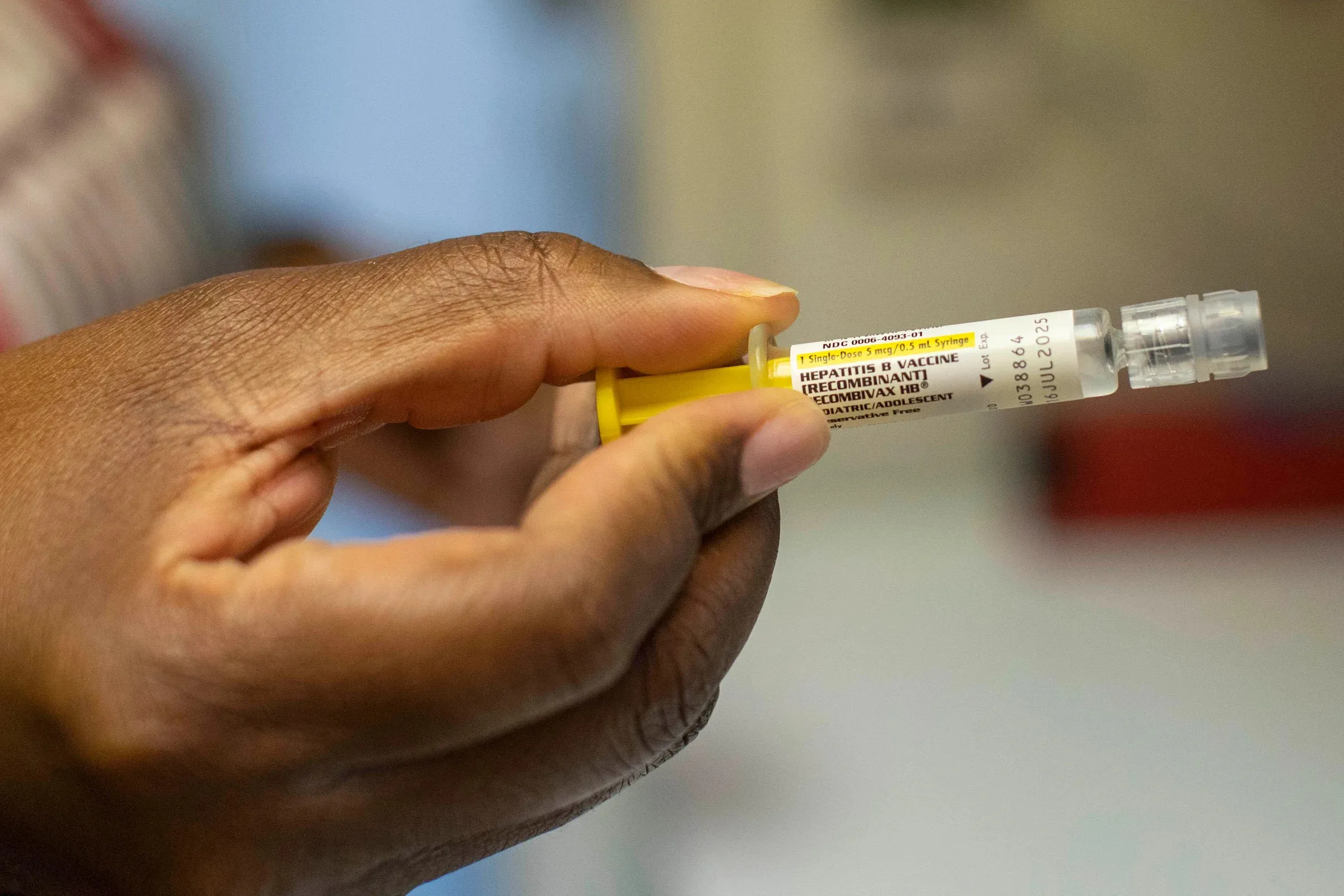
The Centers for Disease Control and Prevention (CDC) vaccine advisory committee is convening Thursday for the first day of a two-day session to review childhood vaccination schedules and guidance. A primary focus of the meeting is the hepatitis B vaccine, with members set to vote on whether the birth dose should continue to be administered to all infants or if the initial shot could be postponed.
The hepatitis B vaccine has been recommended for all newborns in the United States since 1991, leading to a 99% drop in infections among infants and young children. Hepatitis B is a chronic, incurable infection that can result in liver disease, cancer, and premature death.
Why Newborns Receive the Hepatitis B Vaccine
Hepatitis B is highly contagious, spreading primarily through blood and bodily fluids, and can survive on surfaces for up to a week. Infants can contract the virus from their mothers or caregivers. Many infected adults show no symptoms, unknowingly spreading the virus. The CDC estimates that roughly half of the 2.4 million Americans living with hepatitis B are unaware of their infection.
Administering the hepatitis B vaccine within 24 hours of birththe "birth dose"provides up to 90% protection against mother-to-child transmission. Completing the full three-dose series offers about 98% immunity. Infants infected at birth or within their first year face a 90% chance of developing chronic hepatitis B, with one-quarter of these cases resulting in early death due to liver complications such as cirrhosis, liver failure, or cancer.
Universal Vaccination vs. Targeted Approach
Previously, hepatitis B screening focused on high-risk pregnant women, and only infants of positive-tested mothers received the vaccine. This targeted method missed many infections, even with universal prenatal testing. Today, the CDC still recommends testing pregnant women, but approximately 16% of cases are not detected before birth.
The birth dose serves as a critical safety net to cover gaps in screening, undiagnosed maternal infections, and potential follow-up errors, according to the Vaccine Integrity Project at the University of Minnesota.
Vaccine Safety and Effectiveness
Medical organizations such as the American Academy of Pediatrics (AAP) and the American Medical Association confirm that the hepatitis B vaccine is safe. Research shows no link between the vaccine and infant mortality, fever, sepsis, multiple sclerosis, or autoimmune disorders. Serious side effects are rare, typically limited to temporary fussiness or crying.
Experts emphasize the vaccines strong track record in preventing chronic illness and liver cancer. Dr. Sean OLeary of the AAP likens the birth dose to using a seatbeltsimple preventative action that avoids serious risk. Louisiana Senator and physician Bill Cassidy highlights that the vaccine has prevented an estimated 20,000 cases of chronic hepatitis B over the past 20 years.
What to Expect from the ACIP Meeting
The ACIP meeting will include presentations, public commentary, and discussion on childhood vaccine schedules. The key vote on the hepatitis B birth dose is scheduled for Thursday. The panel had previously considered delaying the first dose to one month of age but postponed the decision.
Potential Implications of Recommendation Changes
ACIP recommendations are submitted to the CDC director and influence state vaccination policies and insurance coverage. Experts warn that delaying or weakening the birth dose could increase infections, with serious long-term health consequences. Infectious disease specialists note there is no evidence of benefit from postponing the vaccine, and early administration is critical to prevent established infections.
Delaying vaccination could raise hepatitis B rates, increase healthcare costs, and put children at avoidable risk. Public health leaders stress that maintaining the current birth dose schedule is essential for ongoing protection against hepatitis B.
Author: Natalie Monroe
Share

RFK Jr's panel to consider postponing hepatitis B vaccinations for newborns
22 hours ago 2 min read POLITICS

They were infected with hepatitis before receiving the birth vaccine - now the vaccination schedule may be postponed once more
22 hours ago 3 min read HEALTH

CDC advisory committee convenes to discuss hepatitis B vaccination, childhood immunization schedule
23 hours ago 3 min read POLITICS
Kennedy's vaccine advisors to consider timing of hepatitis B vaccine in significant policy shift
23 hours ago 3 min read POLITICS

Kennedy's selected CDC advisors to consider significant alteration to childhood vaccine schedule
1 days ago 4 min read HEALTH
US vaccine committee to decide on postponing hepatitis B vaccine for newborns
1 days ago 1 min read WORLD

RFK Jr. Seeks to Postpone Hepatitis B Vaccine — Important Information for Parents
1 days ago 4 min read ENTERTAINMENT

Twelve ex-Commissioners of the US FDA express grave concerns over agency's vaccine policy shift, according to NEJM
1 days ago 2 min read BUSINESS

US authorities are examining the Hepatitis B vaccine for newborns
1 days ago 2 min read POLITICS

RFK Jr.'s panel may soon change the hepatitis B vaccine. What you should be aware of
1 days ago 4 min read POLITICS