

Lawmakers reveal new details of US boat strikes: What you need to know
- Last update: 1 hours ago
- 3 min read
- 366 Views
- POLITICS
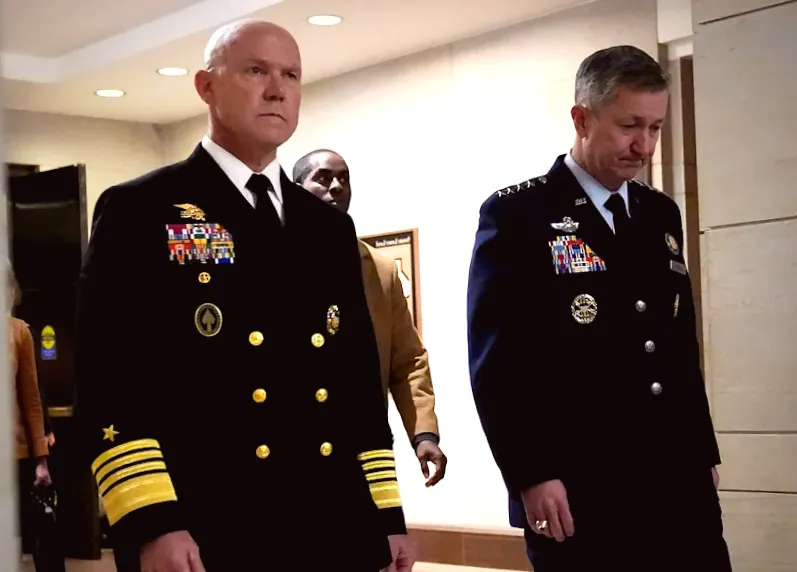
WASHINGTON Congress was briefed this week on a recent U.S. military operation in international waters near Venezuela that involved firing on individuals clinging to the wreckage of a boat suspected of transporting drugs. Lawmakers are now probing the attack and the legal rationale behind President Donald Trumps naval campaign.
The strikes on September 2 marked the militarys first attempt to destroy vessels allegedly carrying narcotics. However, the broader campaign, which has already resulted in the destruction of over 20 boats and the deaths of more than 80 people, is under heavy scrutiny.
During the briefing, lawmakers heard from Navy Adm. Frank Mitch Bradley, who ordered both the initial attack and the follow-up strike that killed two survivors. While Bradley confirmed that Defense Secretary Pete Hegseth did not issue a direct kill them all order, Democratic lawmakers argued the operations aim was effectively to eliminate the individuals on board while destroying the drugs.
Experts and legislators raised concerns that the events could violate the laws of armed conflict, which protect human rights and military personnel. The inquiry is shaping into a critical test of U.S. military conduct under the Trump administration and may affect tensions with Venezuela.
Details from the Briefing
Bradley explained that a second strike targeted the boat wreckage because authorities believed cocaine remained inside. Witnesses reported that for several minutes, two shirtless individuals were seen on the floating debris before missiles struck, killing them. Rep. Adam Smith described the incident as deeply troubling, while Sen. Tom Cotton suggested the survivors movements could justify the attack.
The second strike was officially aimed at preventing the drugs from being recovered by cartel members. Earlier briefings had suggested the purpose was merely to sink the vessel. The militarys actions are based on a legal opinion treating drugs and traffickers bound for the U.S. as equivalent to terrorist threats, a significant departure from standard law enforcement practices typically handled by the Coast Guard.
Lawmakers Concerns
Democrats criticize the administrations broad legal interpretation, warning it creates risks around lethal force and military involvement in drug interdiction. Lawmakers are calling for the public release of the roughly 40-page legal opinion that underpins the operations.
The Office of Legal Counsel drafted the opinion on September 5, three days after the attack. Questions remain about the chain of command, orders given during the operation, and whether Defense Department lawyers were fully aware of the legal framework before the strikes.
Lawmakers are requesting written execution orders and rules of engagement, and aim to clarify verbal instructions given by Hegseth. They also plan to question retiring Navy Adm. Alvin Holsey, who oversaw U.S. forces in Central and South America during the campaign.
Meanwhile, after the congressional briefings, the military conducted another strike on a suspected drug-carrying vessel, killing four people. This 22nd strike has raised the campaigns death toll to at least 87.
Author: Gavin Porter
Share

Brief Explanation of Trump's Scandal Involving War Crimes
15 hours ago 2 min read POLITICS

Navy commander updates Congress on boat strike aimed at survivors: 5 key points
18 hours ago 3 min read POLITICS
Facts About Admiral Frank Bradley - Facing Criticism for Second Attack on Survivors
1 days ago 2 min read POLITICS
Military leaders update legislators on attacks on suspected drug vessels
1 days ago 2 min read POLITICS

US official reports military targeted drug boat in Caribbean in 4 separate strikes in September attack.
2 days ago 2 min read POLITICS

83 killed in US boat strikes: a chronological timeline
2 days ago 3 min read POLITICS

The Rules of Engagement Were Not Created for Trump's False 'Armed Conflict' Against Drug Smugglers
2 days ago 3 min read POLITICS
Trump news summary: Hegseth under scrutiny for boat strikes with first formal complaint filed by victim's family
2 days ago 3 min read POLITICS

Understanding the Conflict Between the U.S. and Venezuela
3 days ago 2 min read WORLD

Evolution of Trump Administration's Explanation of Boat Collision
3 days ago 4 min read POLITICS