

Major restructuring results in establishment of Western Hemisphere Command in Army
- Last update: 1 hours ago
- 2 min read
- 799 Views
- POLITICS
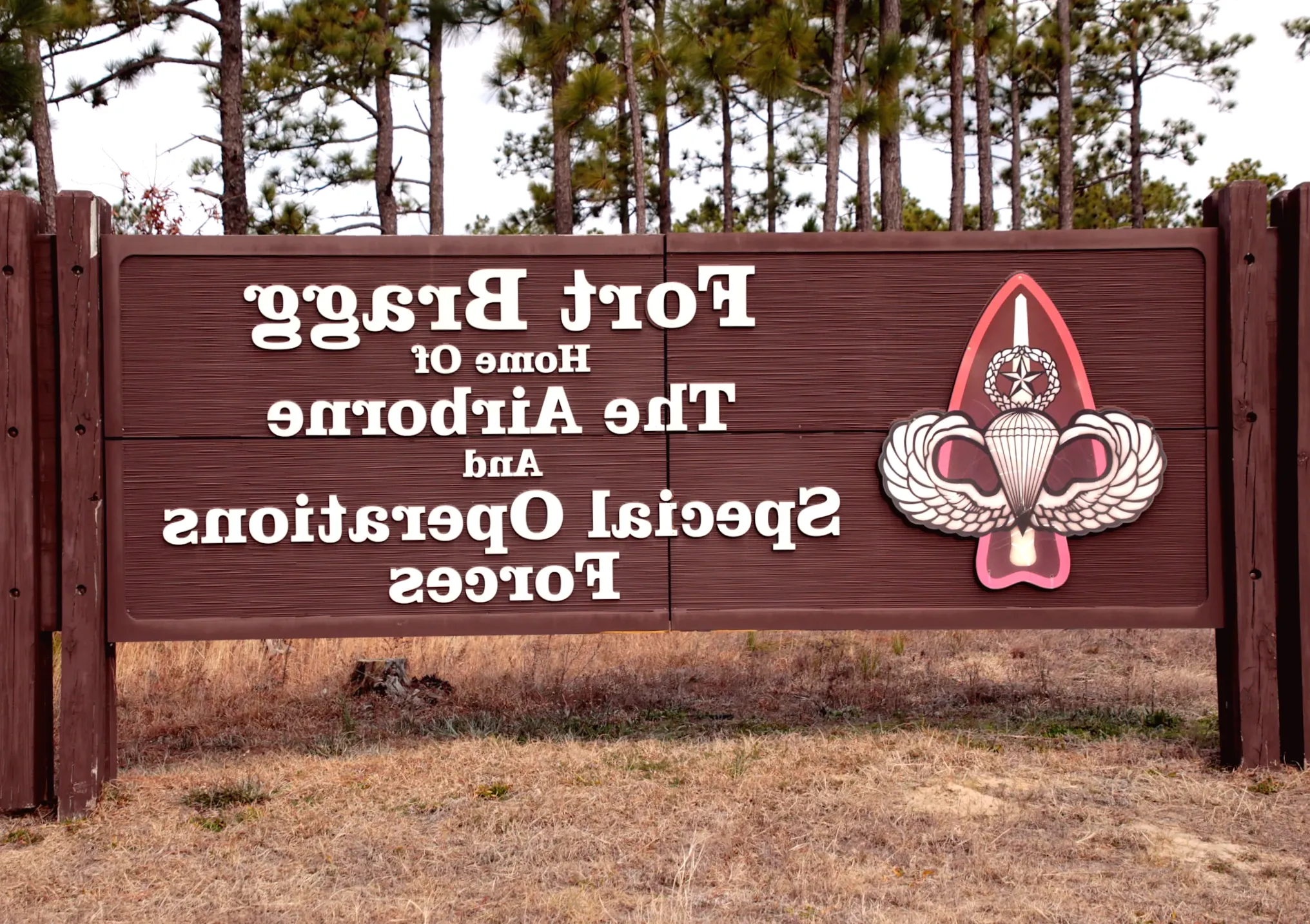
The U.S. Army is officially establishing a Western Hemisphere Command starting this Friday, uniting three primary commands under one central headquarters as part of a comprehensive force reorganization.
Based at Fort Bragg, North Carolina, the new command will integrate U.S. Army North, U.S. Army South, and Army Forces Command, according to a memo from Army Secretary Dan Driscoll issued on Tuesday. The memo specifies that these subordinate commands will be formally deactivated on October 15 of next year.
Additionally, the 18th Airborne Corps, Air Traffic Services Command, and the 1st Army will now be managed under the regionally oriented Western Hemisphere Command.
The restructuring also repositions the Army Reserve Command to report directly to the Chief of Army Reserve under the Headquarters, Department of the Army. I Corps will be shifted to U.S. Army Pacific, while III Corps moves under U.S. Army Europe-Africa. Furthermore, the 4th Infantry Division is reassigned to I Corps, aligning it with the Armys Pacific-focused structure.
These changes follow the October disbandment of the Army Training and Doctrine Command and Army Futures Command, whose responsibilities have been reallocated to the newly created Transformation and Training Command.
In a May communication to the force, Secretary Driscoll and Army Chief of Staff Randy A. George explained that the restructuring is part of the Army Transformation Initiative. The initiative aims to enhance combat readiness, streamline the force structure, and eliminate outdated or unnecessary programs, including reducing 1,000 Pentagon staff positions.
Defense Secretary Pete Hegseth directed the overhaul in April to create a more agile and capable Army by deploying advanced capabilities, removing redundant systems, and restructuring the command hierarchy.
Author: Ava Mitchell
Share

Major restructuring results in establishment of Western Hemisphere Command in Army
1 hours ago 2 min read POLITICS
US Air Force abandons parts of previous administration’s overhaul
6 hours ago 3 min read POLITICS
US Army Recruiting Command elevated to 3-star level headquarters within T2COM
2 days ago 1 min read POLITICS