

US Air Force abandons parts of previous administration’s overhaul
- Last update: 1 hours ago
- 3 min read
- 231 Views
- POLITICS
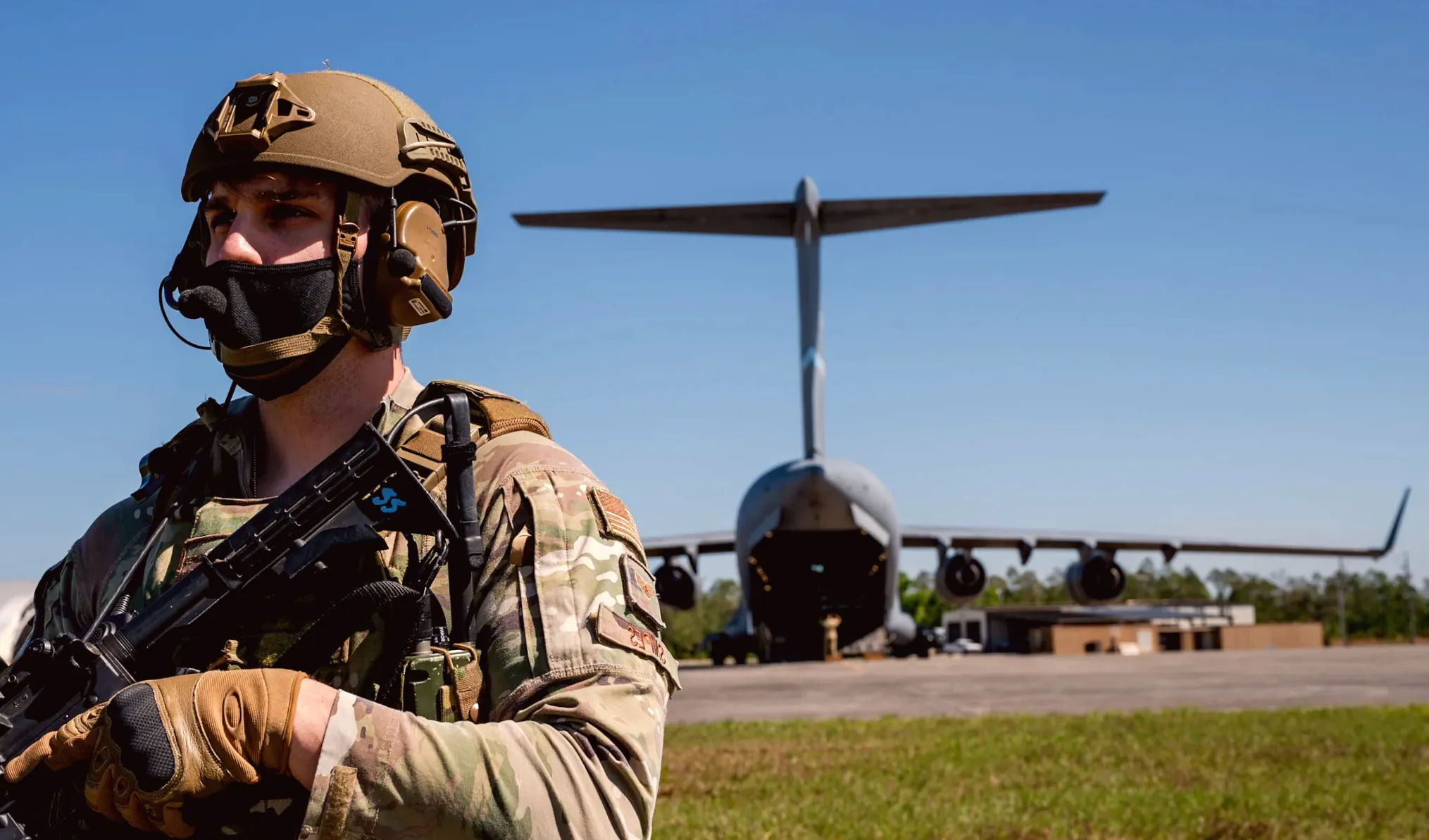
The U.S. Air Force has updated its modernization strategy, eliminating some initiatives proposed by former leadership while maintaining others. Secretary of the Air Force Troy Meink and Chief of Staff Gen. Ken Wilsbach outlined the modifications to the services reoptimization plan in a memo released Tuesday.
Certain components of the plan, such as large-scale exercises aimed at preparing the force for potential major conflicts, the continuation of unit readiness inspections with minimal notice, and the expansion of warrant officer roles, will remain active.
However, several proposals will be canceled, including the transformation of the Air Education and Training Command into an Airman Development Command, the formation of an Integrated Capabilities Command, and the restructuring of Air Combat Command.
The original reoptimization plan, unveiled in February 2024 by former Air Force Secretary Frank Kendall and former Chief of Staff Gen. David Allvin, included 24 initiatives designed to reshape the Air Force for potential conflicts with major powers, such as China. Implementation was paused when the Trump administration took office, and Meink began reviewing the strategy upon assuming his role.
One major initiative in the previous plan was the creation of an Integrated Capabilities Command to centralize long-term planning. This proposal has now been abandoned, with its intended functions to be absorbed by a revamped Air Force Futures office by next April. Additionally, plans to refocus Air Combat Command on force generation rather than its traditional combat-ready roles have been shelved. ACC will continue to organize, train, and equip combat-ready airmen.
No new air base wings will be established under the updated plan, although existing wings will remain operational. The Air Force will continue using the Air Expeditionary Wing 2.0 model, in which a single wing provides the majority of command-and-control and base operations during deployment, supplemented by other wings as needed.
Our priority is to reduce change fatigue for airmen and allow commanders to focus on readiness, lethality, and mission success, the Air Force stated.
Some elements of the previous plan will continue. The multi-capable airmen concept, which trains personnel to perform roles outside their normal duties in order to cover critical functions during extended deployments, will remain in effect. This approach ensures operational continuity at isolated bases where reinforcements may be unavailable.
The revived warrant officer program will also continue. Over the past year, more than 100 new warrant officers have been commissioned to provide technical and operational expertise. The program, which had been inactive since 1959, focuses on building specialized skills in areas such as cyber operations and information technology.
Author: Zoe Harrison
Share
Trump recruits a new architect for his $300M White House ballroom following disagreements with previous one over its size
1 minutes ago 2 min read POLITICS
White House set to present plans for new ballroom to planning commission this month
8 minutes ago 1 min read POLITICS

FBI's Bongino attempts to clarify his debunked conspiracy theory in pipe-bombs case
8 minutes ago 2 min read POLITICS
Gavin Newsom's Response to Trump Renaming Federal Building Goes Viral for Hilarious Reasons
10 minutes ago 2 min read POLITICS

Ilhan Omar accuses Trump of making racist comments against Somalis due to his sense of failure
13 minutes ago 3 min read POLITICS

Schumer to push Senate GOP to vote on three-year extension of health insurance subsidies
26 minutes ago 2 min read POLITICS

Congressman Robert Garcia and Maine Governor Janet Mills target Trump at LGBTQ+ leadership conference
28 minutes ago 3 min read POLITICS

"We're Not Naive!" Mika Brzezinski Ridicules Admiral's Assertion that Attacked Sailors Could Carry on Drug Running 'Mission'
28 minutes ago 2 min read POLITICS

Kash Patel Utilized FBI as a Taxi Service for His Girlfriend's Intoxicated Friend
28 minutes ago 2 min read POLITICS
Amid conflict and disagreements, Mike Johnson's political future is questioned again
29 minutes ago 2 min read POLITICS