

Minneapolis to Disprove Trump's Negative Stereotype of Somalis
- Last update: 52 minutes ago
- 3 min read
- 792 Views
- POLITICS
A few weeks ago, I had lunch with a colleague from the University of Minnesota. We took a short walk to a popular local spot, the Afro Deli, known for its fusion dishes such as gyro, samosas, falafel, and chai. The Afro Deli was part of a small chain founded by an immigrant from Djibouti, who had received national recognition as small-business owner of the year. The clientele was a mix of university students and residents from the nearby Cedar-Riverside neighborhood, home to about 65,000 Somalis. But according to President Donald Trump, I had unknowingly endangered myself by eating in a Somali neighborhood.
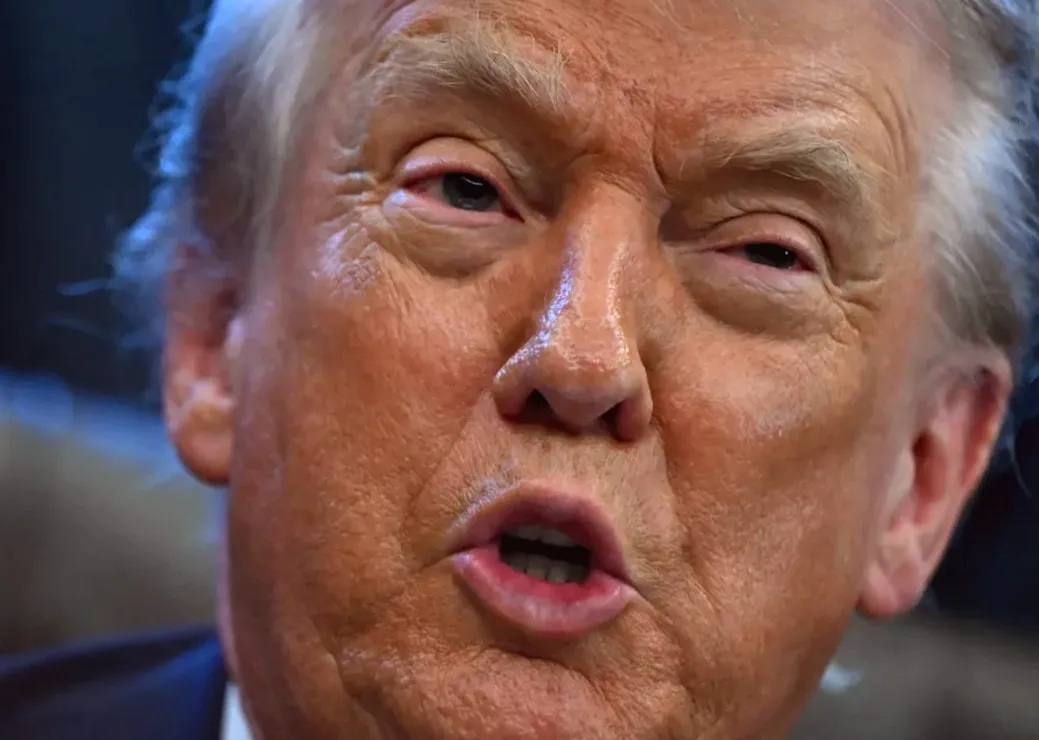
Trump's rhetoric reached a new low when he described Minnesota's Somalis as "garbage" during a December 2 Cabinet meeting. A couple of weeks earlier, he had claimed that "Somali gangs are terrorizing the people of that great State" on Truth Social. His bigoted comments came on the heels of a real scandal, involving a Minnesota-based Somali NGO called Feeding Our Future, which defrauded the federal government of $250 million meant for feeding people during the pandemic. Trump seized on this, using it to smear the entire Somali community. Of course, he failed to mention that the fraud was led by a white woman, not a Somali. The day before his rant, another white Minnesotan had pled guilty to embezzling $200,000 from the Chamber of Commerce.
Yet the real harm of Trump's words is not just the misinformation, but the consequences: ICE raids, continued threats to strip Temporary Protected Status from refugees, and the revival of the so-called "Muslim ban." These attacks echo Trump's earlier rhetoric during the 2016 campaign, when he used the conviction of three Somali men for attempting to join ISIS as a springboard to incite fear over Somali immigration. While racism and nativism were key components of his appeal, Trump fundamentally misunderstood the evolving demographics of Minnesota.
Minnesota is no longer the stereotypical, homogenous state often depicted by outsiders. Due in part to its Lutheran churches involvement in refugee resettlement, cities like Minneapolis and St. Cloud have large Somali, Hmong, Vietnamese, Ethiopian, and Liberian communities. In recent elections, Somali Americans like Senator Omar Fateh have challenged the status quo. The Twin Cities' Somali population includes former professionals now driving for Uber, young adults attending local colleges, caregivers, and small-business owners who have made significant cultural contributions, including introducing Somali cuisine to the Minnesota State Fair.
These individuals are not just victims of fraud, but also the collateral damage of Trumps smear campaign. His attacks on the Somali community of Minnesota are reminiscent of similar tactics used nearly a century ago against Jewish immigrants. During Prohibition, Jewish gangsters like Kid Cann dominated Minneapolis' underground economy, which fueled anti-Semitic sentiments. The same racial and religious hatred that targeted Jews is now being weaponized against Somalis, casting them as both criminals and terrorists.
But Minnesota's history shows that such bigotry is not easily tolerated. In the mid-1940s, Mayor Hubert Humphrey and Police Chief Ed Ryan confronted and dismantled the false link between Jewish crime and sedition, pushing through civil rights laws in the process. Today, Minneapolis, under Mayor Jacob Frey and Police Chief Brian O'Hara, stands ready to protect its Somali community and reject Trump's hateful rhetoric. This week, city leaders announced they would refuse to cooperate with ICE, signaling that they will not allow fearmongering to dictate their policies.
Minneapolis, and by extension, Minnesota, has proven time and again that it stands for inclusivity, justice, and progress. Trump's divisive tactics will not break the spirit of its people.
Author: Chloe Ramirez
Share
HHS replaces transgender admiral’s official portrait with deadname in an act of 'pettiness and bigotry'
36 minutes ago 3 min read POLITICS

Unprecedented Alarm: Concern over memo from top US vaccine official
39 minutes ago 4 min read POLITICS

Marjorie Taylor Greene Reveals Trump's Warning About Releasing Epstein Files and Potential Harm
39 minutes ago 2 min read POLITICS

Arrest made in connection with pipe bombs planted before Capitol riot on January 6th
44 minutes ago 1 min read POLITICS

Ilhan Omar criticizes Trump's 'creepy and unhealthy obsession' as raids increase
50 minutes ago 3 min read POLITICS
Minneapolis to Disprove Trump's Negative Stereotype of Somalis
52 minutes ago 3 min read POLITICS

Investigation reveals Afghanistan mission as "a twenty-year endeavor filled with inefficiency"
56 minutes ago 2 min read POLITICS

Trapped in a van as the president focuses on Kennedy Center drapes: A look inside Trump's day of boosting his ego amid looming crises
57 minutes ago 3 min read POLITICS
USTR Greer tells Politico that Trump may withdraw from USMCA trade deal next year
1 hours ago 1 min read POLITICS
Joe Biden accuses MAGA Republicans of demonizing LGBTQ+ individuals
1 hours ago 4 min read POLITICS