

Proposal may change Virginia's House delegation to a 10-1 Democratic advantage
- Last update: 1 hours ago
- 2 min read
- 755 Views
- POLITICS
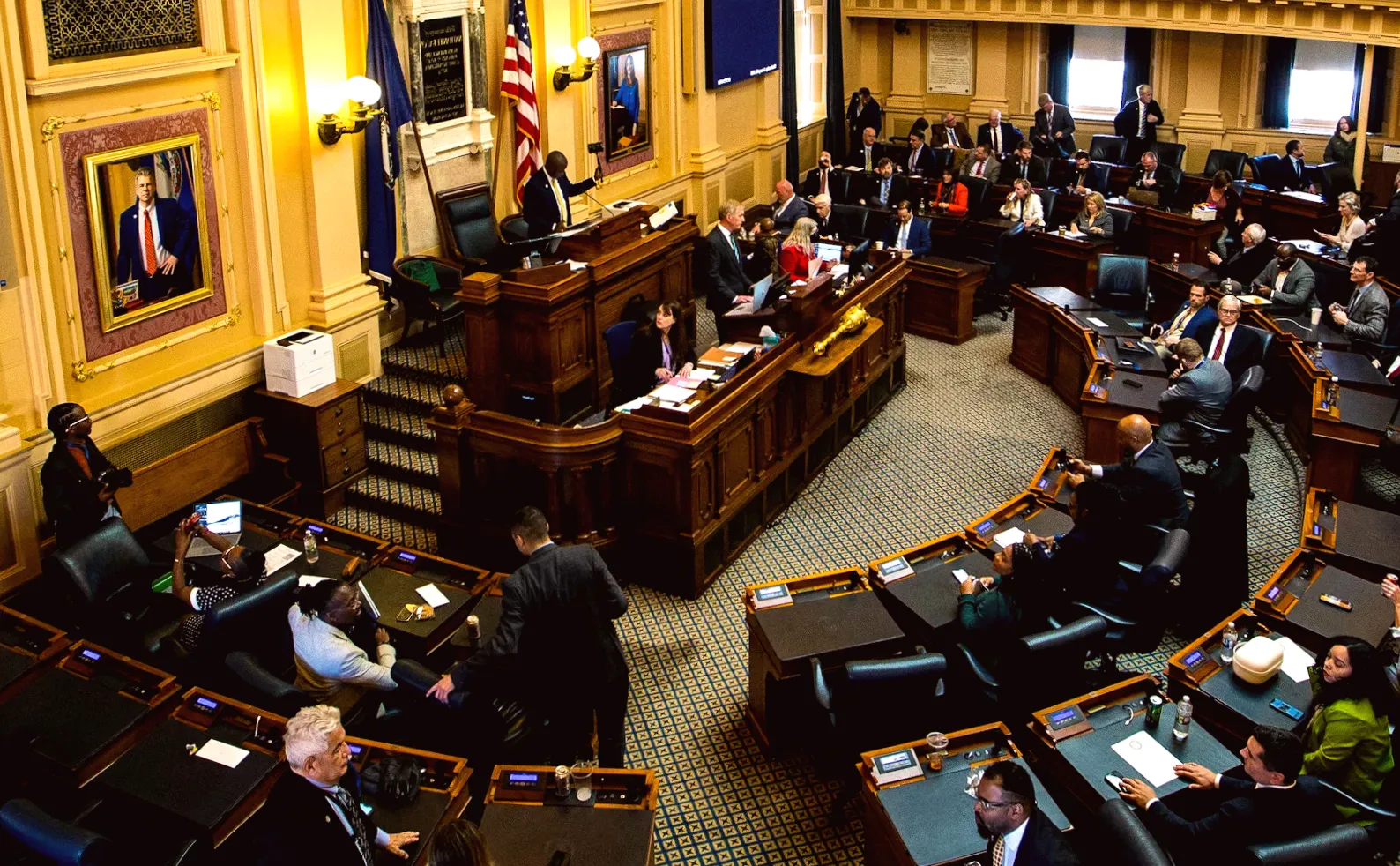
Virginia residents may soon vote on a proposed constitutional amendment that could dramatically reshape the state's congressional representation. If approved, the amendment could shift the current 6-5 Democratic-Republican balance in Virginia's U.S. House delegation to a 10-1 Democratic advantage.
The measure would allow the Virginia General Assembly to redraw congressional districts in 2026, bypassing the existing bipartisan redistricting commission. Governor-elect Abigail Spanberger, a Democrat, has not yet committed to signing any redistricting legislation but emphasized the importance of having the legislature ready to address voter concerns if necessary, according to her spokesperson.
State House Speaker Don Scott framed the amendment as a response to former President Donald Trump's efforts to pressure Republican-led states into redrawing maps to maintain GOP control in Congress.
Potential Changes to District Maps
Democratic leaders present the amendment as a contingency plan if other states modify their congressional maps before the 2026 midterms. Senate Majority Leader Scott Surovell indicated that at least two Republican-held seats are "obviously in play" and suggested that a new map could leave just one district likely to remain Republican.
Path to the Ballot
Amending Virginia's constitution requires a multi-step legislative process. Democrats advanced the first stage in October by passing a redistricting bill. For the amendment to appear on the ballot, the legislature must approve it again, potentially allowing voters to decide as early as spring or summer 2026.
Opposition and Concerns
Republicans have voiced strong opposition. State Senator Ryan McDougle, a former commission member, said the bipartisan system was originally created to "take the politics out" of redistricting. He warned that the proposed amendment could lead to maps favoring a single party consistently.
National Context
Virginias redistricting debate reflects a broader national trend. In Texas, Republicans recently implemented a new congressional map following Trumps pressure, although legal challenges continue. California voters approved a Democratic-favored map, while Indiana, North Carolina, Missouri, and Utah have all seen recent redistricting changes amid political and legal disputes.
Currently, Republicans hold a narrow 220-213 majority in the House, with two seats formerly held by Democrats vacant. Historically, the party of a sitting president often loses seats during midterm elections.
Author: Natalie Monroe
Share

Redistricting prompts California GOP congressman to consider relocating to Texas: Here's why he's hesitant, according to AP
42 minutes ago 3 min read POLITICS

Indiana House approves congressional map favored by Republicans
1 hours ago 2 min read POLITICS

Indiana GOP Moves Forward with Trump-Backed Congressional Map, Senate Outcome Uncertain
2 hours ago 3 min read POLITICS

Indiana House initiates a confrontation between Trump and Republican state senators regarding redistricting
2 hours ago 3 min read POLITICS

Indiana House supports redistricting plan influenced by pressure from Trump
2 hours ago 3 min read POLITICS

Indiana House Republicans move forward with 9-0 congressional map, sending proposal to state Senate
3 hours ago 2 min read POLITICS

States' Unprecedented Redistricting Efforts Being Tracked
5 hours ago 2 min read POLITICS

Supreme Court approves Texas' use of congressional map supported by Trump
13 hours ago 3 min read POLITICS

US Supreme Court reinstates Texas voting map favoring Republicans
13 hours ago 3 min read POLITICS

Supreme Court permits Texas GOP to temporarily use newly redistricted map
14 hours ago 1 min read POLITICS