

Trump pardons over 1,800 individuals, some of whom have been rearrested
- Last update: 1 days ago
- 3 min read
- 868 Views
- POLITICS
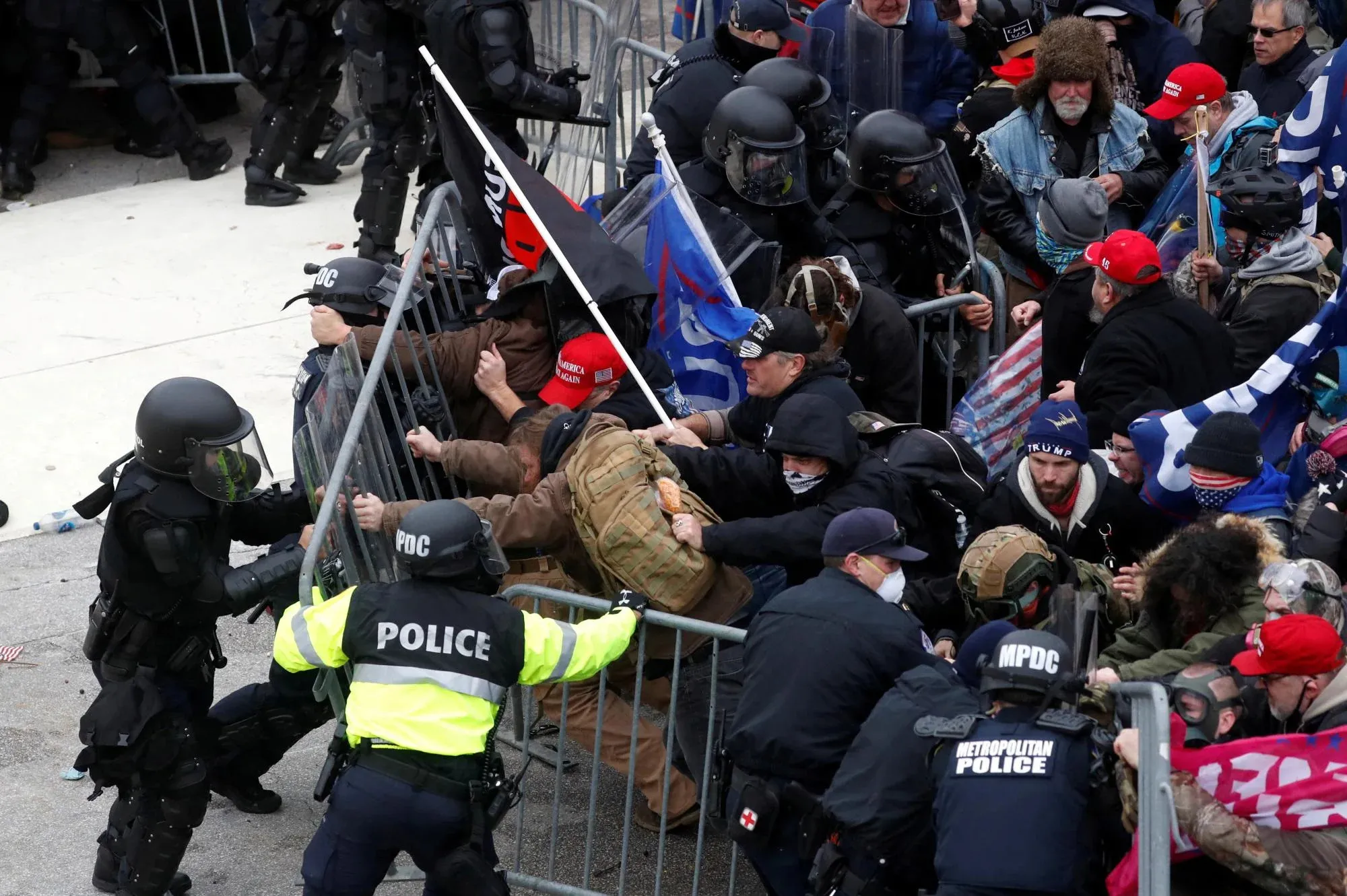
Among those who have received pardons or commutations from former President Donald Trump, a number have been re-arrested for new alleged offenses, raising concerns among legal and political experts about the impact on the rule of law. These repeat offenses are seen by analysts as some of the clearest evidence that indiscriminate clemency can undermine justice.
During his first term, Trump issued 237 acts of clemency, including to individuals convicted of predatory lending, drug smuggling, and operating Ponzi schemes. Since returning to office, he has granted more than 1,600 additional clemencies, many to those involved in the January 6 Capitol attack. At least a dozen of these recipients have faced arrest for unrelated crimes following the insurrection.
Experts note that Trump often bypassed the traditional review process, increasing the likelihood that clemency recipients were either prone to further criminal activity or interpreted the pardon as a signal that their actions were acceptable. Susan Benesch, a human rights lawyer, emphasized that previous pardons usually required demonstrated remorse or rehabilitation, whereas many of Trumps actions appeared to convey tacit approval.
Mark Rozell, dean at George Mason Universitys Schar School, highlighted that the Constitution grants the president a unique, unchecked authority to grant pardons, traditionally exercised with caution and under guidance from the Department of Justice. Historically, the office of the pardon attorney has reviewed cases extensively to ensure clemency serves the public interest, a step largely skipped under Trump.
While past presidents have also issued controversial pardons, including Bill Clintons pardon of Marc Rich and Joe Bidens pardon of his son Hunter Biden, scholars argue that Trumps scale and approach are unprecedented. Political science professor Karen Hult noted the gravity of the offenses involved in Trumps pardons, which often differ significantly from other high-profile cases.
Trumps post-2024 pardons included individuals involved in violent acts on January 6. Reports suggest that impatience with the review process led to mass pardons early in his second term. Some recipients, like Andrew Taake, Edward Kelley, Daniel Ball, David Daniel, Theodore Middendorf, Brent Holdridge, and Zachary Alam, committed further crimes ranging from assault to sexual offenses and property theft.
Rozell asserted that proper review by the pardon attorney could have prevented many of these repeat offenses, as the office is designed to identify individuals with a high risk of reoffending. He emphasized that the goal of the review process is to prevent pardons from enabling ongoing criminal behavior.
Trumps clemency has also extended to non-January 6 convicts. Jonathan Braun, who was initially sentenced for drug offenses and predatory lending, returned to prison for violent behavior. Eliyahu Weinstein, previously convicted of large-scale fraud, also reoffended after clemency. Critics argue these cases illustrate how pardons can act as a wink and a nod to continue harmful conduct rather than encourage rehabilitation.
Legal experts conclude that Trumps approach represents a significant departure from the norms of presidential clemency, with repeated arrests demonstrating the potential consequences of unreviewed pardons.
Author: Riley Thompson
Share
Trump grants pardon to entertainment CEO charged by his own Justice Department
23 hours ago 2 min read POLITICS
Stephen A. Smith Impressed by Trump's 'Incredibly Clever Politics' Regarding Pardon: 'Learning is Happening!'
23 hours ago 2 min read POLITICS

CNN Panel Bursts into Laughter at Trump Supporter's Justification for Drug Pardon
1 days ago 2 min read POLITICS

Trump pardons entertainment executive charged by his own Justice Department
1 days ago 2 min read POLITICS
Henry Cuellar, the embattled representative, to seek reelection as a Democrat following Trump's pardon
1 days ago 2 min read POLITICS
'Daily Show' Reveals the Poetic Justification for Trump's Hernández Pardon
1 days ago 2 min read POLITICS
Trump uses executive privilege to block Jan. 6 lawsuit
1 days ago 3 min read POLITICS

Trump grants pardon to sports executive Tim Leiweke involved in Texas bid-rigging scandal
1 days ago 2 min read BUSINESS
Trump pardons entertainment executive indicted by his own justice department
1 days ago 2 min read POLITICS

Trump pardons former entertainment executive charged by own Justice Department
1 days ago 2 min read POLITICS