

Trump's revenge campaign is not going well - and could have negative consequences
- Last update: 1 hours ago
- 3 min read
- 778 Views
- POLITICS
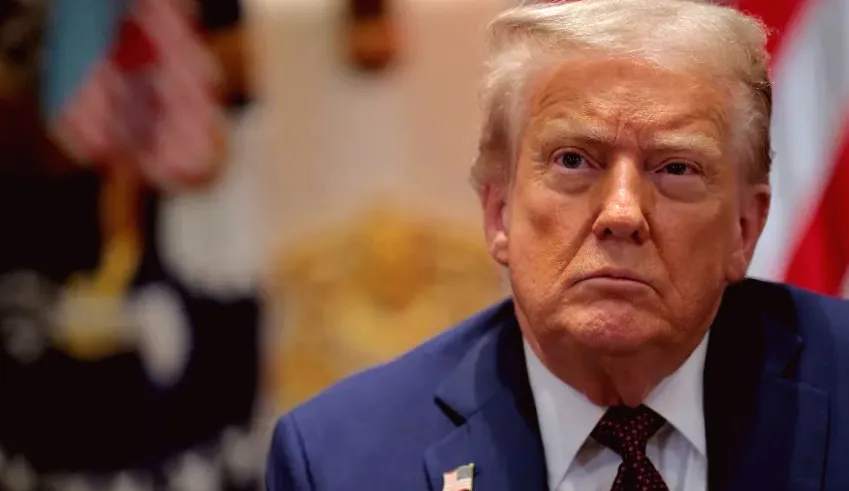
It is extremely uncommon for a federal grand jury to refuse an indictment. According to the Bureau of Justice Statistics, in fiscal year 2013, this happened only five times out of more than 165,000 cases a mere 0.003%. Remarkably, President Donald Trump and his Justice Department have now achieved this rare outcome in both of their main attempts to use the legal system against political opponents.
Initially, a grand jury declined to pursue one of three charges against former FBI Director James Comey in September, including what appeared to be the most significant allegation, while narrowly approving the remaining two. Subsequently, indictments targeting Comey and New York Attorney General Letitia James were dismissed because the judge ruled the appointed prosecutor had acted improperly. Even after the Justice Department appointed a new prosecutor to refile the case against James, the grand jury rejected the charges once again.
Despite indications that the Justice Department might continue pursuing James, the overall legal retaliation campaign is struggling and increasingly risks backfiring on Trump. Central to the issue is the lack of compelling evidence. While Trumps allies frame these actions as retaliation for his own indictments, the allegations against James involving mortgage fraud and the perjury claim against Comey appear considerably weaker than those leveled against Trump. Some conservative legal experts have publicly criticized the evidence.
The political dimension of these cases is also stark. While Trump and his supporters have previously claimed that President Biden influenced Trumps indictments, Trumps own orchestration of charges against his adversaries has been overt. This contrasts sharply with other cases, such as the investigation into former national security adviser John Bolton, which was considered more serious but was conducted independently of Trumps intervention.
Efforts to secure indictments have faced internal resistance within the Justice Department. Trump-loyal officials, including former Attorney General Pam Bondi, reportedly hesitated to move forward. To meet legal deadlines, Trump replaced the U.S. attorney overseeing Comeys case with Lindsey Halligan, who had no prior prosecutorial experience, ultimately resulting in the dismissal of both the Comey and James cases.
Persistent challenges remain, including the risk that further attempts to indict these figures could be viewed as selective or vindictive prosecution. Public perception is another critical factor. Polling from Marquette University Law School shows that while Americans largely viewed Trumps indictments as justified (55%-45%), they were more skeptical of the charges against Trumps opponents, with 58% believing the cases were unwarranted.
Trump appears intent on using the legal system to harass his opponents and make an example of them. However, the likelihood of either James or Comey facing trial seems low. Even if a trial occurred, achieving a unanimous jury conviction would be highly challenging given the prior struggles with grand juries, which require only probable cause rather than full consensus.
The ongoing legal battles are also creating internal strain within the Justice Department. Reports indicate that grand juries are investigating other allegations, such as a mortgage fraud probe linked to Democratic Senator Adam Schiff, involving potential misconduct by investigators themselves.
With repeated setbacks and mounting public scrutiny, the Justice Department faces the risk of a series of embarrassments from these politically charged efforts. Despite warnings from some officials that the strategy may fail, Trump appears determined to continue.
Author: Ethan Caldwell
Share

Grand Jury Decides Not to Reindict N.Y. Attorney General Letitia James
5 hours ago 3 min read POLITICS

Grand jury decides not to bring new charges against Letitia James
13 hours ago 2 min read POLITICS

Grand jury dismisses new mortgage fraud charges against New York Attorney General Letitia James
13 hours ago 1 min read POLITICS

Grand jury decides not to charge New York AG Letitia James, a Trump opponent
13 hours ago 2 min read POLITICS

Grand jury denies DOJ's effort to reopen fraud case against Letitia James: Sources
13 hours ago 2 min read POLITICS

Grand jury declines to re-indict Letitia James
13 hours ago 2 min read POLITICS

Grand jury declines to issue new indictment for Letitia James
13 hours ago 1 min read POLITICS

Grand jury decides not to charge N.Y. Attorney General Letitia James, shortly after first case dismissal
14 hours ago 2 min read POLITICS

Grand jury denies Trump's request to re-indict NY AG Letitia James
14 hours ago 2 min read POLITICS

Letitia James not charged by grand jury after first case dismissed
14 hours ago 2 min read POLITICS