

Understanding Somalia in Light of Trump's Call for Somalis to Leave the US
- Last update: 56 minutes ago
- 3 min read
- 641 Views
- POLITICS
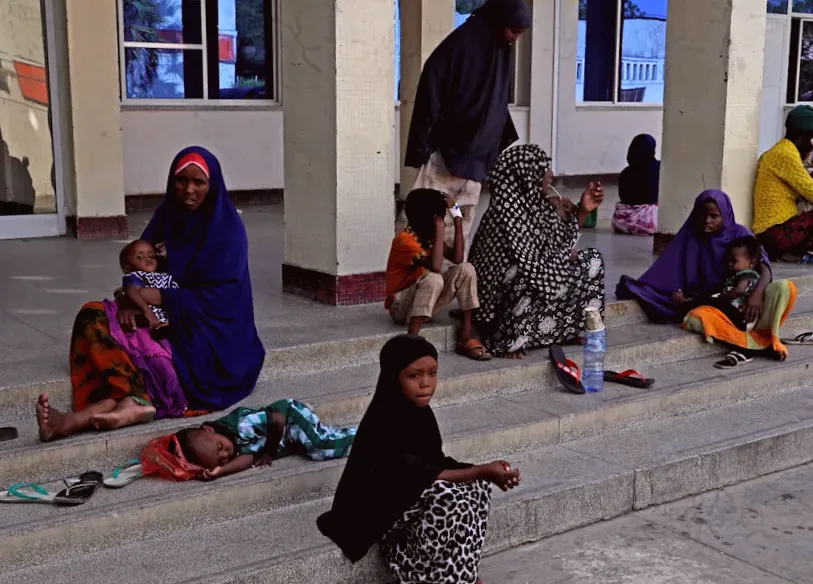
U.S. President Donald Trump has labeled Somali immigrants in the United States as garbage and urged them to depart, asserting without proof that they contribute nothing. This statement emerged after reports that federal authorities were planning an immigration enforcement initiative in Minnesota targeting Somali immigrants residing in the country illegally.
In Minnesota, nearly 58% of Somalis were born in the U.S., and among foreign-born Somalis, 87% have become naturalized citizens. This comes as the Trump administration temporarily paused all immigration applications from Somalia this week. Somalias prime minister did not comment when asked about Trumps remarks during a public event.
Decades of Conflict
Somalis have been fleeing the Horn of Africa nation for over thirty years. The fall of dictator Siad Barre sparked clashes between warlords, widespread civil war, and the emergence of the al-Qaida-affiliated group al-Shabab. Millions have been displaced internally or have sought refuge in neighboring countries, often waiting years in camps in Kenya before gaining a chance to immigrate to the U.S. or elsewhere. Many remain in these camps today.
Within Somalia, al-Shabab continues to pose a major threat, controlling rural regions and occasionally striking Mogadishu with deadly attacks. Notable incidents include a 2017 truck bombing that killed more than 100 people and another in 2019 that claimed dozens of lives. Targets have included the presidential palace and hotels.
Diplomatic and Security Challenges
The insecurity led to the absence of a U.S. Embassy in Somalia for decades. In 2019, it reopened in a fortified seaside compound near Mogadishu airport, alongside other diplomatic and humanitarian offices. Somalias federal government has pursued what its president calls a total war against al-Shabab, but the group remains entrenched, partly fueled by arms flowing through the Gulf of Aden.
The countrys instability has also fueled piracy. Earlier this year, Somali pirates hijacked a commercial vessel in the Indian Ocean for the first time in 18 months, raising concerns about a resurgence.
Life for Ordinary Somalis
Despite some revival in Mogadishu, driven by returning Somalis bringing investment, much of the population of around 19 million faces severe hardships. Persistent insecurity has hindered reconstruction and economic growth. Somalia also maintains one of the worlds weakest healthcare systems, according to the World Health Organization. Donor support from countries like the U.S. and the U.K. has been declining, especially following changes to the U.S. Agency for International Development.
Many Somalis travel long distances to access the few public hospitals in Mogadishu, while rural areas often receive minimal support, and regions under al-Shabab control may have none.
Climate Challenges
Somalia is highly vulnerable to climate change. Periodic droughts kill thousands of people and livestock, floods devastate river valleys, cyclones hit the coastline, and locust swarms destroy crops. The International Crisis Group notes that climate pressures and conflict are deeply connected, with al-Shabab sometimes controlling water access or destroying infrastructure during droughts, worsening community hardships.
Author: Logan Reeves
Share

Donald Trump Grants Pardon to Democratic Congressman Henry Cuellar
5 minutes ago 2 min read POLITICS

Trump administration halts immigration applications from 19 non-European countries
19 minutes ago 2 min read POLITICS

What will happen next after Supreme Court approves pro-Trump Texas map for 2026?
20 minutes ago 3 min read POLITICS

US deploys one-way attack drones to the Middle East
32 minutes ago 3 min read POLITICS
Facts about the controversial boat strike in Venezuela
32 minutes ago 3 min read POLITICS

Biden declares 'we are the United States of America' in latest slip-up at DC conference
40 minutes ago 2 min read POLITICS

The 'war on drugs' seemed to be over, but Donald Trump reignited it.
53 minutes ago 6 min read POLITICS

Understanding Somalia in Light of Trump's Call for Somalis to Leave the US
56 minutes ago 3 min read POLITICS

This is Trump's Appearance at a Recent Meeting
1 hours ago 1 min read POLITICS

Trump grants pardon to Texas Democrat Henry Cuellar following bribery charges
1 hours ago 2 min read POLITICS