

US forces discreetly defeated Russian mercenaries in Syria
- Last update: 1 hours ago
- 2 min read
- 207 Views
- POLITICS
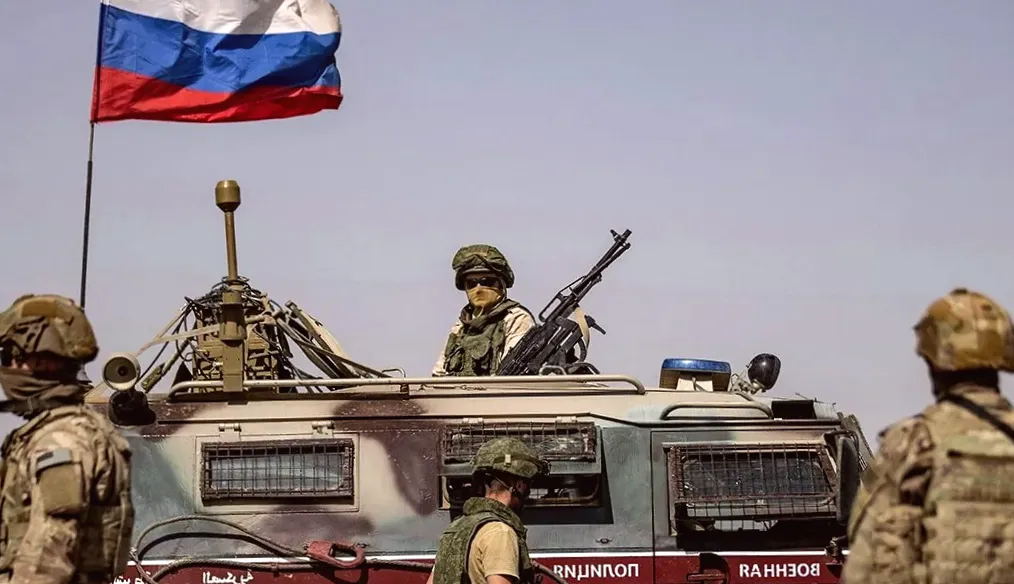
In February 2018, near Khasham in Syria, U.S. troops faced an unexpected offensive by a mix of pro-Assad fighters, including Russian Wagner Group mercenaries. What appeared to be a routine local confrontation quickly escalated into a large-scale clash that demonstrated the precision and lethality of modern U.S. combined-arms tactics.
The attacking forces, consisting of Syrian Army units, militia, and Wagner contractors, advanced toward a Conoco gas plant held by U.S. special operations personnel and Kurdish SDF allies. Their goal was to seize the facility, but U.S. commanders had already issued warnings to Russian counterparts, which were ignored. By 10 p.m. on February 7, the assault began with heavy artillery, mortars, and tank fire aimed at the plant.
Despite being heavily outnumbered, the defenders used terrain and improvised cover, such as berms and armored vehicles, to their advantage. A quick reaction force of Green Berets and Marines reinforced the plant, navigating under night-vision conditions to reach the perimeter. Remote-operated .50-caliber machine guns on trucks provided sustained, accurate fire, slowing the enemy infantry advance.
American command quickly integrated artillery and air support. M777 howitzers and HIMARS struck the attacking columns, while MQ-9 Reaper drones provided targeting and intelligence. AH-64 Apaches engaged lead armored vehicles, F-15Es conducted precision strikes, and F-22s ensured air superiority to prevent interference. An AC-130 gunship and a B-52 Stratofortress targeted both front and rear enemy elements, systematically destroying vehicles and infantry positions.
The attackers suffered devastating losses, with estimates ranging from 100 to 300 killed or wounded. Wagner Group forces were particularly hard-hit. In contrast, U.S. forces reported no fatalities, and only one SDF fighter was injured. The battle showcased how disciplined coordination between ground troops, artillery, and multiple aerial platforms can neutralize a numerically superior force.
The confrontation highlighted the dangers of modern hybrid warfare, where mercenaries operate alongside conventional forces, and the critical role of combined-arms tactics in preventing strategic losses. The engagement also sent a clear signal: U.S. troops can decisively engage Russian-linked forces without triggering a broader international conflict, provided Moscow maintains plausible deniability.
For those involved, the fight at Khasham remains a vivid lesson in battlefield preparedness, precision coordination, and overwhelming firepower. It also stands as a cautionary tale for any force considering a direct attack on U.S. or allied positions in hostile environments.
Author: Caleb Jennings
Share
US forces discreetly defeated Russian mercenaries in Syria
1 hours ago 2 min read POLITICS

Report: Al-Assad's close associates are planning uprisings in Syria from their exile in Russia
3 hours ago 3 min read WORLD

USA and Syria collaborate to combat ISIS: CENTCOM destroys storage sites near Damascus in their first significant joint operation.
4 days ago 3 min read WORLD

Israel releases footage from body cameras showing deadly raid on Muslim Brotherhood-linked terrorists in Syria
5 days ago 3 min read WORLD