

Archaeologists Discover Intact 1,700-Year-Old Coffin
- Last update: 4 hours ago
- 2 min read
- 631 Views
- SPORT
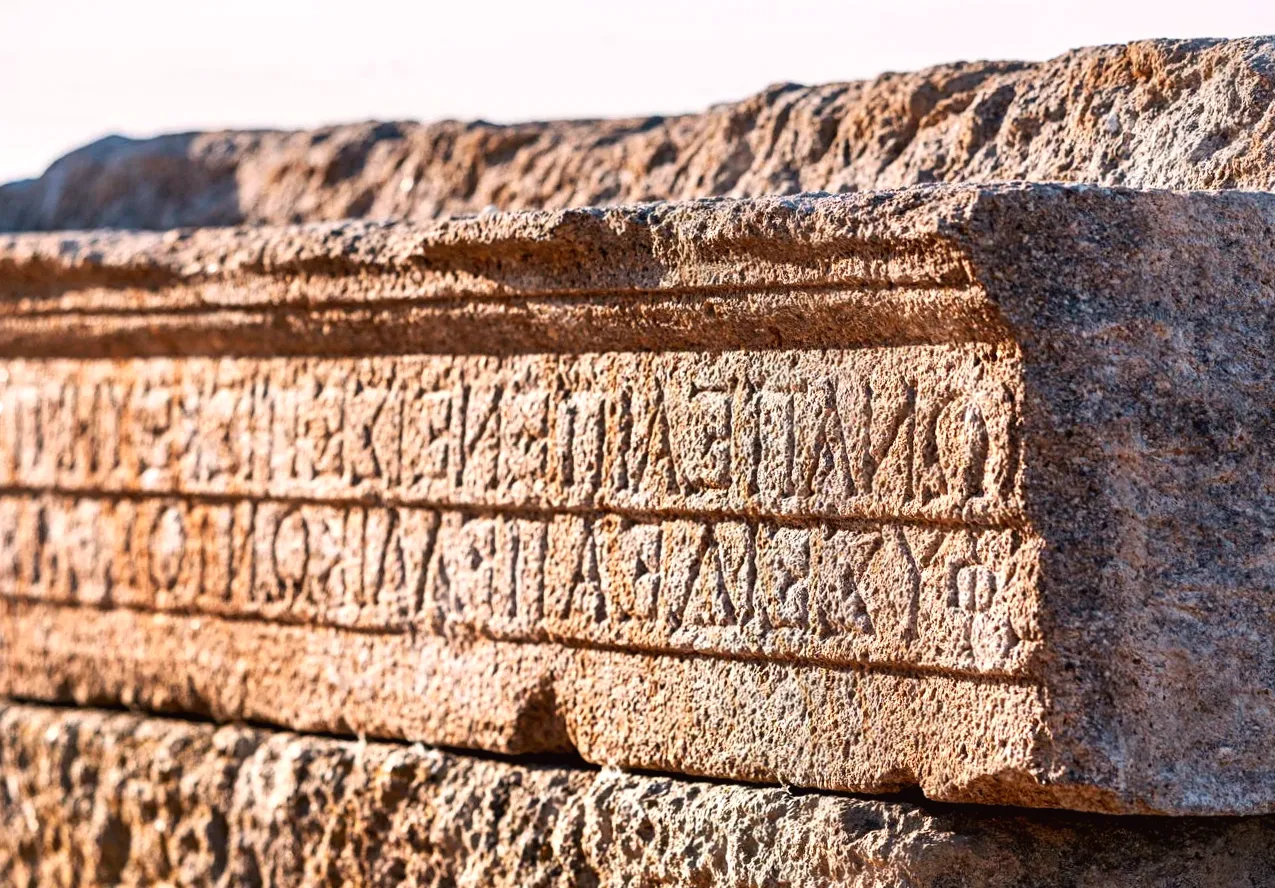
During an excavation in Budapest, archaeologists from the Budapest History Museum uncovered a Roman-era sarcophagus that has remained completely untouched for nearly two millennia. The coffin, dating back approximately 1,700 years, was found fully sealed and undisturbed, containing a full skeleton along with a remarkable collection of grave goods.
The discovery occurred in the Obuda district, a historic area that once formed part of the Roman settlement Aquincum. This section of Budapest had been abandoned in the third century C.E. and later repurposed as a burial site. The sarcophagus was located among the remains of deserted homes, still secured with metal clamps and a layer of molten lead keeping the lid tightly in place.
Upon opening the sarcophagus, researchers were astonished to find the skeleton surrounded by numerous artifacts, including two intact glass vessels, bronze figurines, 140 coins, a bone hairpin, amber jewelry, and fragments of fabric interwoven with gold threads. Analysis of these items suggests the deceased was a woman of considerable social standing, likely from a wealthy family.
It is extremely rare to encounter a sarcophagus of this era that has never been reused or disturbed, said Gergely Kostyal, a Roman-period expert involved in the project. This coffin was crafted specifically for the individual it now holds.
Gabriella Fenyes, the lead archaeologist on the dig, highlighted the significance of the sealed sarcophagus: Finding it in such pristine condition is remarkable. It offers an unaltered glimpse into burial practices of the period. She noted a 1.5-inch-thick layer of mud inside the coffin that may contain additional items such as jewelry or small personal belongings yet to be recovered.
Alongside this extraordinary find, the team documented eight simpler graves and remnants of a Roman aqueduct, reflecting the area's historical importance as part of a civilian settlement near a military fort along the Danube River.
The careful arrangement of the sarcophagus and its grave goods demonstrates the care and reverence the deceaseds relatives showed during the burial, providing rare insight into Roman-era funerary customs in Pannonia.
Author: Noah Whitman
Share

ACC commissioner Jim Phillips strongly advocating for No. 12 Miami, league champion to receive CFP bids
1 hours ago 5 min read SPORT

The Most Important Points to Note from the FIFA World Cup Draw for 2026
1 hours ago 3 min read SPORT

College Basketball Player Throws Punch at Opponent Following Dunk in Chaotic Encounter
2 hours ago 1 min read SPORT

Confirmed groups for 2026 World Cup: Full draw and details
2 hours ago 1 min read SPORT

Terry Smith to stay with Penn State football, according to multiple reports
2 hours ago 2 min read SPORT

Dillon Danis withdrawn from first Misfits title defense after sustaining injuries from UFC 322 brawl with Team Khabib
3 hours ago 2 min read SPORT

Ex-NFL Quarterback Thinks Kwesi Adofo-Mensah Let Down Kevin O'Connell
3 hours ago 2 min read SPORT

Updates on Injuries to Packers Players Javon Bullard, Jayden Reed, Matthew Golden, and Savion Williams
4 hours ago 2 min read SPORT

Hall of Famer warns against playing 49ers in the playoffs
4 hours ago 2 min read SPORT

Archaeologists Discover Intact 1,700-Year-Old Coffin
4 hours ago 2 min read SPORT