

Travel Experts Advise Against Visiting Glacier National Park in 2026
- Last update: 1 hours ago
- 3 min read
- 157 Views
- TRAVEL
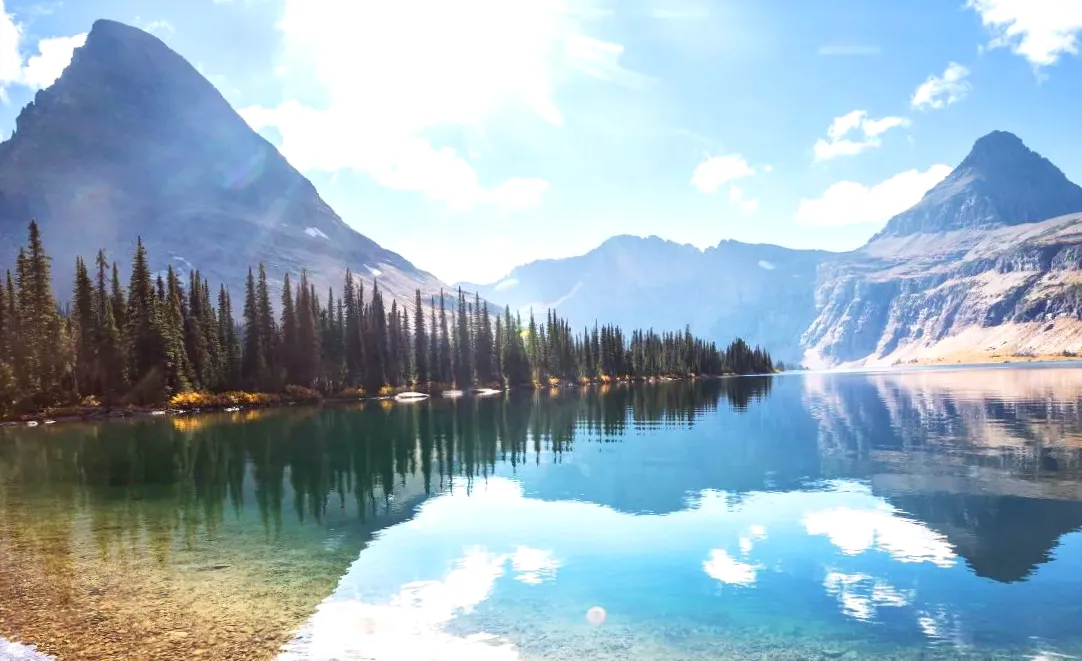
Glacier National Park, often celebrated as one of the most breathtaking natural sites in the United States, has been added to Fodor's renowned "No List" for 2026. This designation signals a serious caution to visitors: the Montana park is struggling under the strain of overwhelming tourism amplified by climate change concerns.
Climate-Driven Tourism Surge
The park is warming at nearly double the global rate. Once home to approximately 150 glaciers in the early 1900s, only 27 remain today, with projections suggesting complete disappearance by 2030. This rapid loss has fueled a phenomenon known as "last-chance tourism," where visitors flock to witness these vanishing glaciers, often unintentionally accelerating environmental degradation.
Visitor Numbers Reach New Heights
Glacier National Park has long been one of America's most frequented national parks. In 2024, the park welcomed roughly 300,000 more visitors than in 2023, with peak summer months accounting for the majority. September and October alone saw a 60% increase. Current figures for 2025 indicate record-high attendance, placing extreme pressure on the park's infrastructure and operations.
Environmental and Operational Strains
Rising visitor numbers have led to traffic congestion on the iconic Going-to-the-Sun Road, more frequent garbage accumulation, and increased disturbance to wildlife. Park management has introduced measures such as timed reservations and renewable energy usage, which have mitigated some impacts, yet overall crowding remains a serious concern.
Significance of Fodor's No List
Since 2017, Fodor's annual "No List" highlights destinations suffering from overtourism to discourage further visitation. The 2026 list features eight sites: Antarctica, Canary Islands, Glacier National Park, Isola Sacra, Jungfrau region, Mexico City, Mombasa, and Montmartre. Glacier's inclusion underscores its urgent need for relief from visitor pressure.
Historical Context
The current crisis echoes the park's past. When Glacier National Park opened in 1910, "last-chance tourism" began as the Blackfeet tribe faced displacement. Today, it is the glaciers themselves, not the people, facing imminent disappearance.
Resource Pressures and Fee Hikes
Recent summers have seen water shortages in the park due to high consumption. Avoiding visitation in 2026 could reduce stress on water and other natural resources. To curb overcrowding, the park will increase fees for international tourists, making them more than three times higher than U.S. rates. However, experts note that fee hikes alone are unlikely to significantly reduce visitor numbers.
Alternative Destinations
Travel experts recommend exploring less crowded sites. Waterton Lakes National Park in Alberta offers a serene alternative, and several nearby Montana locations provide equally stunning natural experiences without the strain of mass tourism.
Expert Insights
Park officials describe the current situation as "unprecedented," with multiple existential threats converging simultaneously. Tourism experts stress the importance of sustainable management, including education, regulation, and responsible practices, to safeguard fragile environments for future generations.
Conclusion
Glacier National Park's presence on Fodor's No List is more than a travel advisory; it is a call to action. As climate change accelerates the disappearance of these natural treasures, the urgency to see them paradoxically contributes to their destruction. Thoughtful, responsible tourism is essential to preserve the park for years to come.
Author: Harper Simmons
Share
Travel Experts Advise Against Visiting Glacier National Park in 2026
1 hours ago 3 min read TRAVEL
We Consulted 5 Travel Experts on the Top U.S. National Park for Winter - and They Unanimously Agreed
2 days ago 3 min read TRAVEL
Caution Issued to Tourists to Avoid Visiting the Popular National Park in 2026
3 days ago 3 min read USA
This underappreciated U.S. mountain town has been named the number one travel destination for 2026
3 days ago 2 min read USA
New High Fee for Specific Tourists at America's Most-Visited National Parks in 2026
3 days ago 2 min read USA