

Caution Issued to Tourists to Avoid Visiting the Popular National Park in 2026
- Last update: 3 days ago
- 3 min read
- 37 Views
- USA
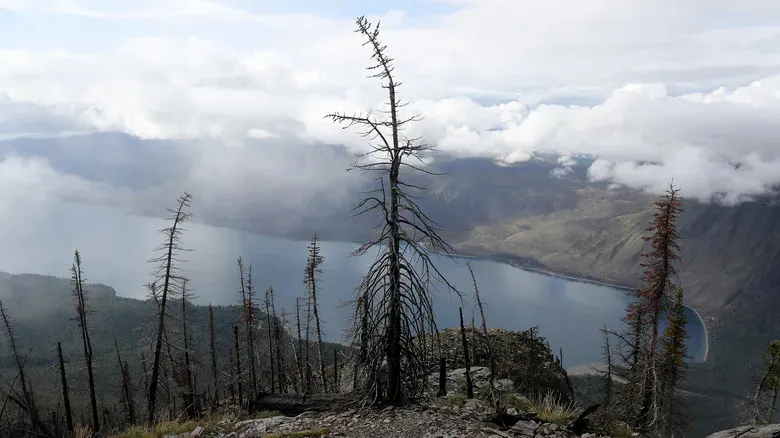
As global warming continues to alter ecosystems and natural landmarks, certain destinations are drawing visitors eager to experience them before they vanish or change permanently. This phenomenon, known as last-chance tourism (LCT), has led to an increase in visitors to the worlds most iconic natural sites, often at the expense of their preservation. A 2025 study found that these visitors frequently accelerate environmental damage, ironically hastening the changes they wish to witness.
Glacier National Park, dubbed the "Crown of the Continent," has been placed on Fodors 2026 No List, which identifies destinations suffering from overtourism and encourages travelers to avoid them. The park's appearance on this list coincides with record-high visitor numbers in 2025, following an already busy 2024 that saw nearly 300,000 more visitors than 2023. Since 2019, annual attendance has consistently hovered around three million.
While tourism boosts local revenue, it is taking a toll on the park's environment. Increased traffic and litter contribute to air quality decline and higher carbon dioxide levels. Wildlife disturbances are rising, and glaciers are melting faster due to elevated temperatures. From an original 150 glaciers, fewer than 30 remain, fueling the urgency for visitors to witness them before they disappear. Conservationists warn that the park faces unprecedented environmental pressures that demand immediate action.
Efforts to Protect the Park
Authorities are experimenting with strategies to reduce climate and tourism impacts. Timed entry reservations during peak seasons and the use of solar and hydroelectric power have brought some relief. Spreading out visitor activity has decreased traffic congestion and road closures, but the overall visitor numbers remain unchanged. Experts emphasize that these measures alone cannot counteract the extensive effects of overtourism.
Alternatives for Nature Enthusiasts
The National Park Service suggests alternative destinations to ease the strain on Glacier National Park. Waterton Lakes National Park in Alberta offers scenic lakes without the crowds. Closer to home, lesser-known spots like Bighorn Canyon National Recreation Area provide expansive landscapes and water recreation opportunities. Montanas 55 state parks also offer peaceful outdoor experiences for travelers seeking to connect with nature.
Visiting Responsibly
For those determined to visit Glacier National Park, there are ways to minimize environmental impact. Opting for guided tours rather than private vehicles can reduce traffic congestion. Engaging in hiking or kayaking instead of driving throughout the park helps lower carbon emissions. While these actions may mitigate some harm, experts caution that only a substantial reduction in visitor numbers could reverse environmental damagesomething difficult to achieve in todays travel-heavy era, often called wreckreation.
Author: Sophia Brooks
Share

Space Force Awards Contracts for Golden Domes Ahead of Schedule
3 days ago 3 min read USA

Police called after student brought a skean dhu to school
3 days ago 1 min read USA

Police raid 'successful' mail-order drugs operation
3 days ago 2 min read USA

Man admits to killing Ole Miss graduate 10 months after her body was discovered
3 days ago 3 min read USA

Over 55 million Americans warned of snow and ice from Kentucky to Maine
3 days ago 2 min read USA

Reinsurance giant reports mild end to hurricane season, US and Japan spared
3 days ago 2 min read USA

Funny Video Shows Gold Retriever's Love for His Lost Ball Outweighing Owner's
3 days ago 2 min read USA

New landlords reopen historic community pub
3 days ago 2 min read USA

Tom Brady advocates for a new national holiday in popular advertisement
3 days ago 2 min read USA

The Best Coastal Small Town in the U.S. Is This Quiet Florida Destination
3 days ago 4 min read USA