

Decades before Stonewall, a cafeteria protest paved the way for transgender rights
- Last update: 1 hours ago
- 3 min read
- 920 Views
- US
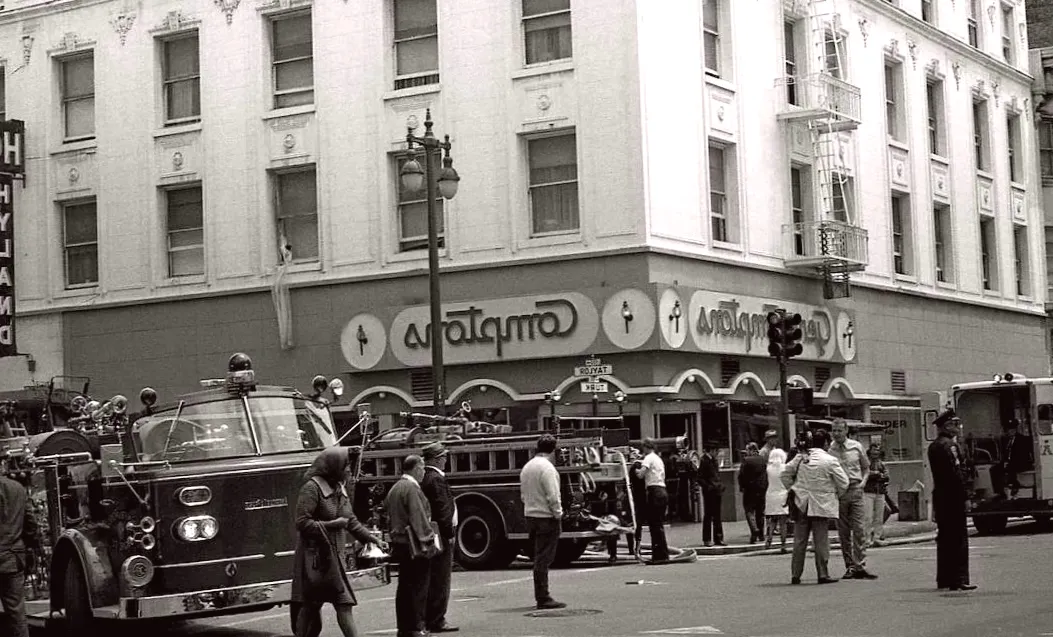
Long before the iconic Stonewall riots and the Black Cat demonstrations, there was a lesser-known yet pivotal event in San Francisco: the Comptons Cafeteria uprising. In August 1966, drag performers and transgender women who frequented Gene Comptons Cafeteria in the Tenderloin district confronted persistent police harassment, sparking a significant moment in LGBTQ+ history.
The Spark of Rebellion
Comptons Cafeteria, open 24 hours, was a rare safe space for trans women and drag queens, many of whom were denied entry to nearby bars. Some patrons were sex workers and faced arrests not only for their work but also for cross-dressing, which was illegal at the time. One evening, when police attempted to arrest a trans woman, she retaliated by throwing hot coffee in the officers face. This act ignited a chaotic scene where others hurled chairs, dishes, and sugar shakers inside the cafeteria and vandalized police cars and a nearby newsstand outside.
Felicia Flames Elizondo, a trans woman in San Francisco during that era, recalled the constant oppression faced by the community: We were arrested for simply existing as who we were. Arrested for dressing as women, for obstructing sidewalksanything to make our lives unbearable.
Voices from the Riot
Amanda St. Jaymes, who actively participated in the uprising, described the intensity of the events in the documentary Screaming Queens. Sugar shakers went through the windows and glass doors. I think I even threw one myself, she recounted. Despite the arrests, she noted a sense of triumph and defiance: There was a lot of joy after it happened. Many went to jail, but there was a strong feeling that this was necessary.
The owners of Comptons responded by banning drag queens and transgender women from the cafeteria, prompting protests. Although legal and societal restrictions persisted, the riot helped draw attention to the Tenderloins trans community, leading to some decrease in police harassment in the following months. The ordinance criminalizing cross-dressing, however, remained until 1974.
Preserving the History
The uprising was largely ignored by local media at the time, and police records of arrests do not exist. LGBTQ+ historians and activists, most notably Susan Stryker, worked to recover the story. Her research led to the creation of Screaming Queens, documenting the experiences of participants and the broader significance of the riot.
The legacy of Comptons Cafeteria continues to be commemorated. The Tenderloin Museum includes the riot in its permanent collection, and an interactive play, The Comptons Cafeteria Riot, has been staged at the museums Larkin Street Cafe. The area is also home to the worlds first legally recognized Transgender District, established in 2017 to promote cultural, social, and economic support for the trans community.
The Site Today
Comptons Cafeteria closed in 1972. The location now houses a halfway facility operated by Geo Group, a private prison company, sparking controversy among activists who wish to see the site transformed into supportive housing or a community center. Janetta Johnson, one of the founders of the Transgender District, envisions residential spaces with mental health services rather than incarceration. Advocates continue to campaign for a purpose that honors the sites historic significance in trans resistance.
Author: Grace Ellison
Share

Get ready: Winter snowstorms will be more severe than ever this year— Here’s the reason.
15 seconds ago 6 min read US

Famous architect Frank Gehry passes away: Explore his most iconic structures
6 minutes ago 3 min read US
Lawsuits Filed by Families of UPS Cargo Plane Crash Victims for Wrongful Death
6 minutes ago 3 min read US
Marine from Camp Pendleton dies in accident involving tactical training vehicle
9 minutes ago 1 min read US

Three First Graders Save Teacher's Life After Choking on Food: 'They Completely Saved Me'
10 minutes ago 2 min read US

Minister says shooting in DC by Afghan suspect should not be a reflection on all of Afghanistan
20 minutes ago 2 min read US

Recall of Crayola magnetic cubes at Michaels and Amazon: What you need to know
22 minutes ago 2 min read US
Texas jail accuses Army doctor of secretly recording patients
32 minutes ago 2 min read US

One person killed, two others stuck after trench collapses in Clermont County
37 minutes ago 1 min read US

Man's Last Words During 911 Call Revealed: He Had Only '5 Minutes Left' as He Clung to Tree in Flood, Wife Survives
40 minutes ago 2 min read US