

Judge prohibits immigration arrests in DC without warrants or probable cause
- Last update: 1 days ago
- 4 min read
- 808 Views
- US
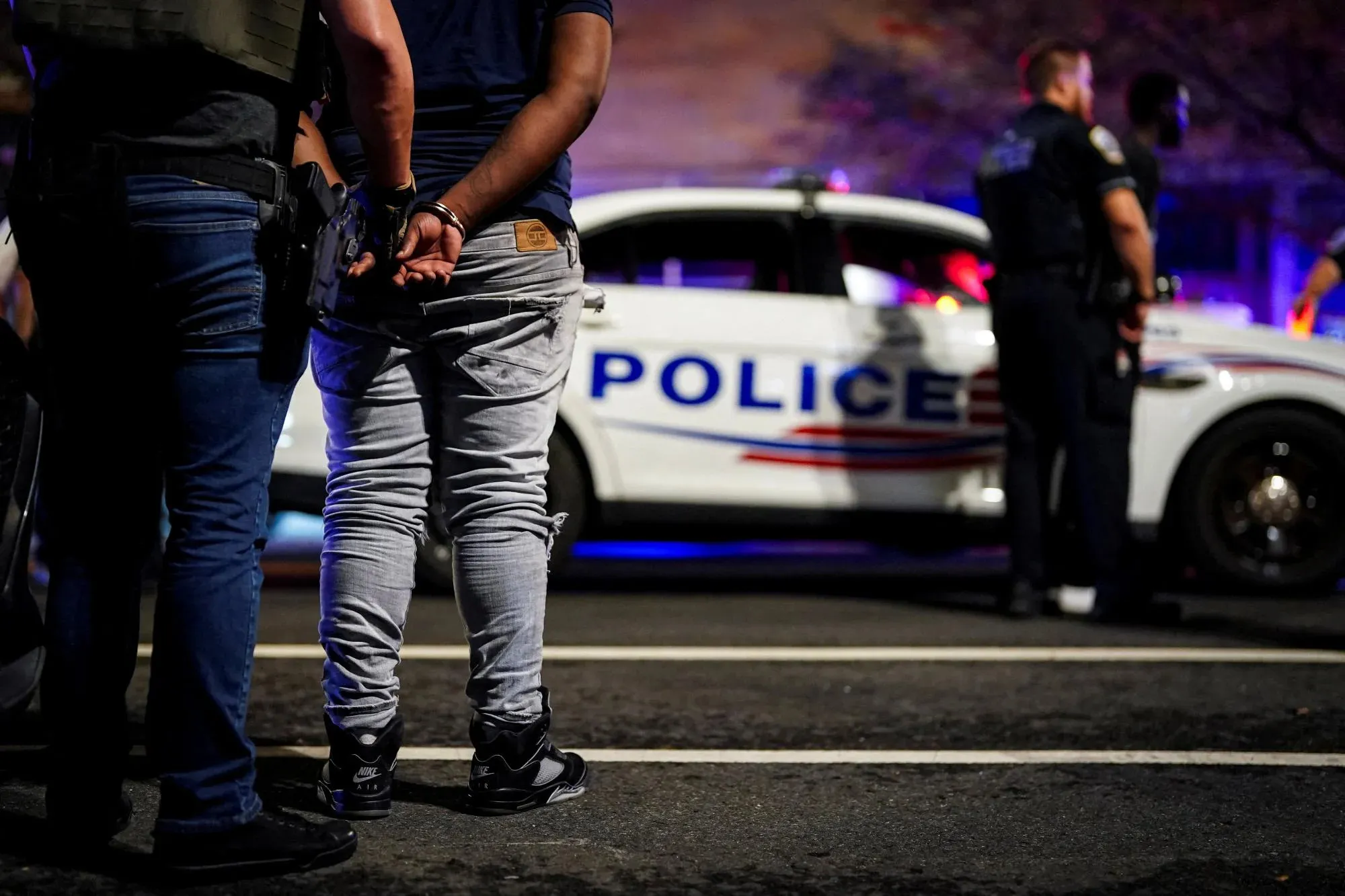
Late Tuesday evening, a federal judge issued an order preventing the Trump administration from carrying out wide-ranging immigration arrests in Washington, D.C. without proper warrants or clear probable cause that a person might flee before a warrant can be secured.
U.S. District Judge Beryl Howell approved a preliminary injunction requested by civil liberties and immigrant rights organizations that had filed a lawsuit against the Department of Homeland Security. The plaintiffs argued that, since Donald Trump declared a state of emergency in the capital in August, immigration authorities had engaged in an ongoing pattern of unlawful detentions.
Residents reported living in constant fear of being stopped while walking or driving through their neighborhoods. Many avoided going to work, taking children to school, or carrying out normal daily routines in an effort to avoid checkpoints and encounters with immigration officers.
In most cases, civil immigration arrests require an administrative warrant. Under the Immigration and Nationality Act, a warrantless arrest is permitted only when authorities have probable cause to believe that a person is unlawfully present in the United States and is likely to flee before a warrant can be obtained, according to Judge Howells decision.
The American Civil Liberties Union (ACLU), along with other attorneys representing the plaintiffs, claimed that federal agents routinely patrolled areas of Washington, D.C. with large Latino populations, setting up checkpoints and detaining individuals without sufficient legal justification. They submitted sworn statements from individuals who said they were arrested without warrants or any meaningful evaluation of flight risk. They also referenced public remarks by government officials that, in their view, demonstrated a disregard for the required probable cause standard. Government lawyers denied the existence of any such policy.
Ama Frimpong, legal director of Casa, a Maryland-based immigrant advocacy group involved in the lawsuit, described the ruling as a major relief for affected communities. She noted that some residents had been stopped multiple times while simply traveling to school. According to Frimpong, the decision offers hope that parents can drop off their children and return home without fear of unlawful detention and immediate deportation without due process.
She acknowledged, however, that rebuilding trust would take time. Fear has shaped daily life in the city for months, and the broader immigrant community has endured sustained pressure and hostility for nearly a year. Still, she expressed confidence that the ruling would help people regain a sense of safety and gradually resume normal activities.
Austin Rose, an attorney with Amica Centers Immigration Impact Lab, another plaintiff in the case, said he believes the decision will limit the scale of future arrests. He emphasized that the courts order also allows the plaintiffs to monitor the governments compliance moving forward.
In her opinion, Judge Howell stated that the plaintiffs had shown a strong likelihood that the government had engaged in an unlawful practice of conducting warrantless civil immigration arrests without proper probable cause. She added that the consistent failure to properly evaluate the risk of escape was a direct violation of federal immigration law and Department of Homeland Security regulations.
Beyond stopping the practice, the judge ordered that any agent making a warrantless civil immigration arrest in Washington, D.C. must clearly document the specific facts that justified the belief that the individual might flee before a warrant could be issued. This documentation must also be provided to the plaintiffs legal team.
The decision aligns with similar rulings in federal cases in Colorado and California that also involved the ACLU. In a separate case in the Los Angeles area, another judge had temporarily barred federal agents from stopping individuals solely based on race, language, occupation, or location. However, that particular order was later lifted by the Supreme Court in September.
Author: Logan Reeves
Share

Company penalized for forklift causing man's death
1 minutes ago 2 min read US

California pesticide agency considers easing regulations on highly toxic rat poisons
24 minutes ago 3 min read US
Powerful shift discovered by researchers could lead to energy savings for many households — here's what you should be aware of
39 minutes ago 2 min read US

Who is Brian Cole? FBI reveals identity of suspect in Jan. 6 DC pipe bomb case
42 minutes ago 2 min read US

Man sentenced to community service for killing roofer in money dispute
48 minutes ago 2 min read US

Minnesota lieutenant governor: Somali community integral part of our state
59 minutes ago 2 min read US

Border Patrol enters a tense New Orleans
1 hours ago 4 min read US

5 important updates for Dec. 5: Collisions involving boats, Congressional district map changes, Vladimir Putin's actions, DC pipe bomber arrest, Eurovision boycott announcement
1 hours ago 2 min read US

Video captures risky rescue of driver following truck plunging off bridge
1 hours ago 2 min read US

New York mayor issues order against Israel divestment shortly before Mamdani takes office
1 hours ago 2 min read US