

Rare Sightings of Jaguar in Arizona Raise Hopes for Species Recovery
- Last update: 1 hours ago
- 3 min read
- 731 Views
- US
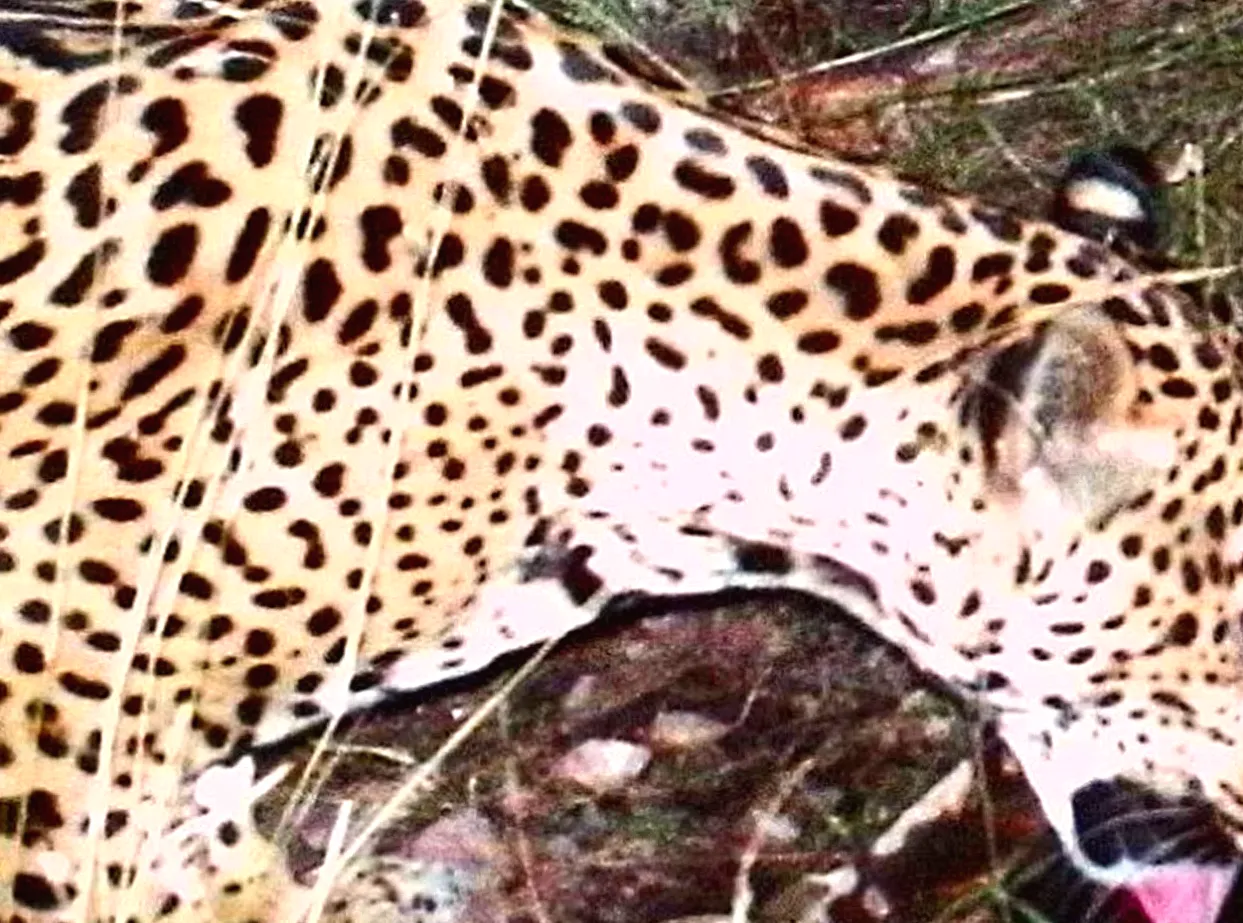
Researchers in Arizona are expressing renewed hope for the state's wild jaguar population after a previously unrecorded jaguar was observed in the region. The University of Arizona's Wild Cat Research and Conservation Center revealed that this marks the fifth jaguar documented in southeastern Arizona over the past 15 years.
The elusive big cat was captured by a trail camera at a local watering hole in November. Experts quickly recognized it as a new individual due to its distinctive black rosette markings. "This jaguar, dubbed Jaguar #5, was recorded three times in November by our project cameras," the center shared. "It is the fifth individual documented since 2011, indicating that new jaguars continue to appear periodically, though opportunities for their arrival are narrowing."
Susan Malusa, director of the center's jaguar and ocelot project, described the sighting as a significant milestone for conservation efforts. "We are thrilled. It shows that this edge population of jaguars is still returning because the habitat is providing what they need," Malusa said.
Jaguars in the U.S. face challenges from habitat loss due to rising temperatures and persistent droughts. Conservationists emphasize the importance of maintaining open wildlife corridors to allow these cats access to their historical ranges. "As a keystone species, jaguars are a critical indicator of ecosystem health," the center noted. Malusa added that while the appearance of a new jaguar suggests improvements in the landscape, climate change and border barriers continue to pose migration risks.
Most jaguars reside in Central and South America, and the small population in the U.S. is believed to have migrated from Mexico. In the United States, jaguars are primarily found in Arizona, California, Louisiana, New Mexico, and Texas, and their diet ranges from skunks and javelinas to small deer and turtles.
The research team is currently collecting scat samples from the area where Jaguar #5 was seen to determine its sex and gather additional data. Today, jaguars remain endangered, and a recovery plan is underway. In 2024, the Fish and Wildlife Service expanded protected habitat for jaguars in Arizona to roughly 1,000 square miles across three counties.
Malusa noted that jaguar sightings in the region typically occur when water resources are scarce, and the animals remain hidden when conditions improve. The center has recorded hundreds of detections of the other four known jaguars in the mountains south of Tucson since 2011. Jaguar #5s repeated visits to the same location over ten days are a promising sign of the species recovery. "This shows that the species is making a comeback. Theres still a chance to protect their corridors and support their survival," Malusa concluded.
Author: Caleb Jennings
Share

Endangered Sumatran Tigers' Selfies Reveal Strong Population
4 hours ago 2 min read WORLD
Progress in recovering endangered species shown by discovery of new jaguar in Arizona
14 hours ago 2 min read WORLD
Grizzly bear runs past trail camera, showing huge claws
1 days ago 1 min read ENTERTAINMENT
Photographer amazed by rare footage of elusive mountain predator: 'Truly a magical moment'
4 days ago 2 min read SCIENCE