

U.S. Green Berets quickly come to the aid of Afghan allies following D.C. shooting
- Last update: 1 days ago
- 3 min read
- 608 Views
- US
After the U.S. militarys chaotic exit from Afghanistan, Thomas Kasza and other Special Forces veterans concentrated on assisting the Afghan partners who had served alongside them. These Afghans, who had risked their lives for U.S. forces, were prime targets for the Taliban, and remaining in Afghanistan often meant certain death.
Since they operated exclusively with U.S. Green Berets, they were automatically at the top of Taliban hit lists, explained Kasza, who, along with other veterans, helped Afghan allies leave Afghanistan and resettle in the United States.
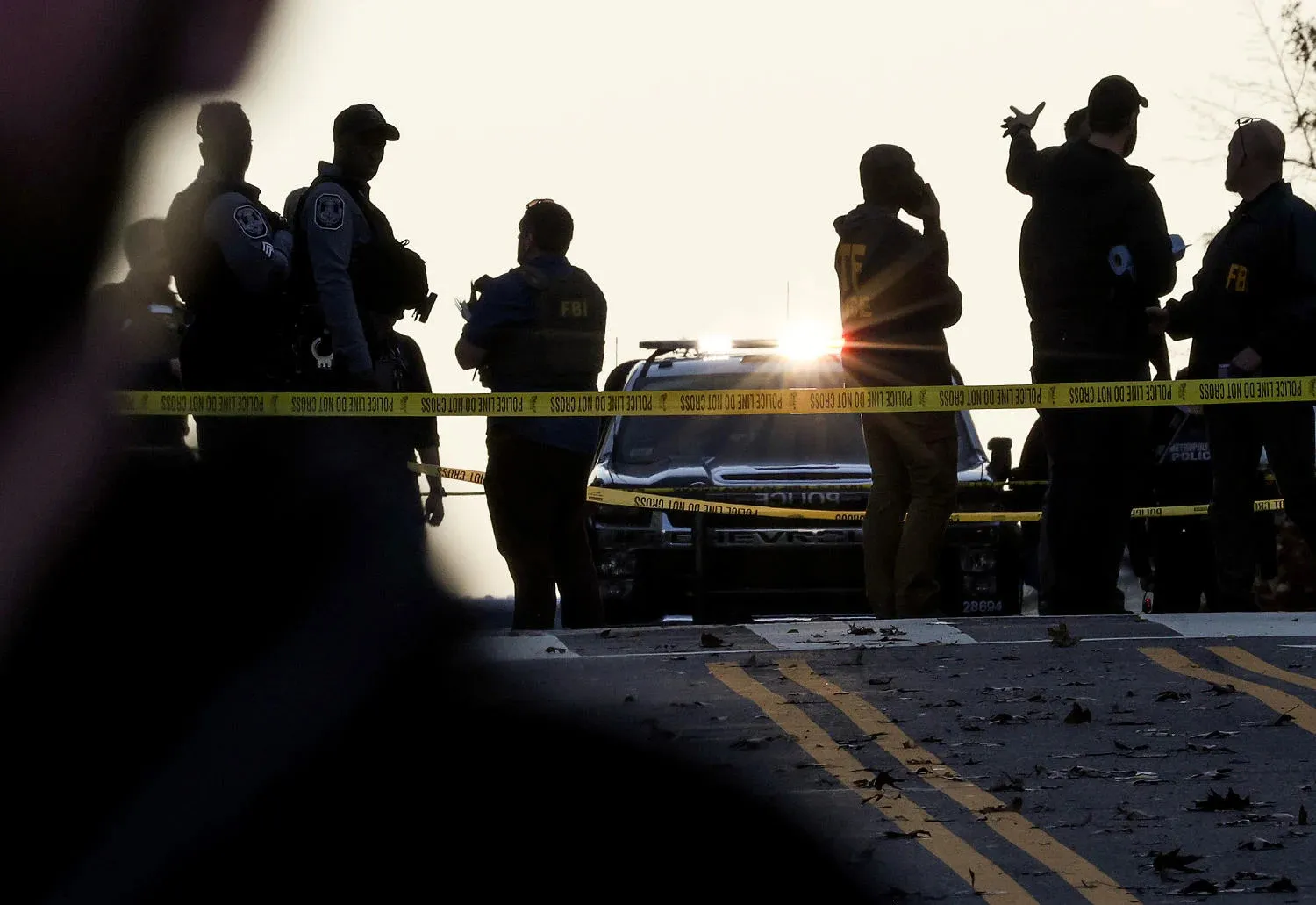
Following a shooting near the White House last week that killed a 20-year-old National Guard member, Sarah Beckstrom, and critically injured 24-year-old Andrew Wolfe, Kasza and other veterans are once again defending the Afghan personnel they once worked with. The accused, an Afghan associated with a CIA-trained unit, has been charged in the attack.
The Trump administration reacted by halting asylum approvals and visa processing for Afghans, with former President Donald Trump asserting that many Afghans in the U.S. were criminals who should not be allowed to stay. CIA Director John Ratcliffe also criticized the Afghan resettlement process.
These statements drew strong objections from Army Special Forces veterans, commonly known as Green Berets, and others who collaborated with Afghans during the conflict. It is unfair to lump all Afghan partners in with one individual, said Ben Hoffman, a Green Beret with five deployments to Afghanistan. Dave Elliott, another Green Beret, noted that many Afghan allies are now terrified for their futures in the United States.
They fear being sent back to a country where U.S.-aligned Afghans have been targeted and killed, Elliott said. He and Kasza co-founded the 1208 Foundation, a nonprofit supporting Afghans who aided U.S. forces.
Afghan teams had taken on highly dangerous roles, such as leading U.S. troops to detect and neutralize explosives, and others served as interpreters, drivers, and support personnel. They didnt want to leave Afghanistan; they had no choice after the U.S. withdrawal left them exposed to the Taliban, Elliott explained.
Although the Green Berets did not work directly with the suspect, Rahmanullah Lakanwal, 29, they spoke out to defend the Afghan community in America. Lakanwal, living in Washington state with his family, pleaded not guilty and faced additional legal and personal struggles, including mental health challenges.
Former CIA officer Geeta Bakshi highlighted the emotional toll on Afghan veterans who fear being stigmatized due to the actions of one individual. She emphasized the crucial role Afghan allies played alongside U.S. forces in counterterrorism missions, often risking their lives. We could not have achieved our successes without them, Bakshi said.
Even before recent events, Afghan arrivals faced hurdles like unemployment and delays in legal status. Many entered the U.S. under temporary programs created to manage the influx of refugees fleeing the Taliban. Now, visa and asylum pathways have been largely blocked, increasing pressure on these communities.
Veterans note that Afghans face similar mental health challenges as U.S. veterans, often with fewer resources. Hoffman stated, Many struggle with PTSD and have no access to adequate care while trying to provide for their families.
Kasza expressed concern about the broader implications for future U.S. military operations abroad. If potential local partners see promises ignored, it undermines their willingness to risk their lives in cooperation with U.S. forces, he warned.
Author: Ava Mitchell
Share
Dire Consequences Await Afghan Refugees as Trump Cracks Down
1 days ago 4 min read POLITICS

Afghan immigrants in U.S. concerned about their future amidst Trump's immigration crackdown
2 days ago 4 min read POLITICS
Trump orders halt to immigration from 'developing countries'
2 days ago 3 min read POLITICS
Authorities Investigate Shocking Turn in D.C. National Guard Killing
2 days ago 3 min read POLITICS
Immigration Changes Update Following the D.C. Shooting
3 days ago 3 min read US

Opinion - Outrageous: Liberal media holds Trump accountable for National Guard shooting in DC
4 days ago 3 min read POLITICS
Suspect in National Guard shooting previously served in CIA-led 'zero units' with a history of violence
4 days ago 4 min read USA
National Guard shooting suspect isolated in bedroom for weeks, case worker's email reveals
4 days ago 3 min read HEALTH
Understanding 'Operation Allies Welcome,' the program that welcomed Afghans into the US
5 days ago 2 min read WORLD
Who is the suspect Rahmanullah Lakanwal, shot by the National Guard?
5 days ago 3 min read WORLD