

Suspect in National Guard shooting previously served in CIA-led 'zero units' with a history of violence
- Last update: 3 days ago
- 4 min read
- 25 Views
- USA
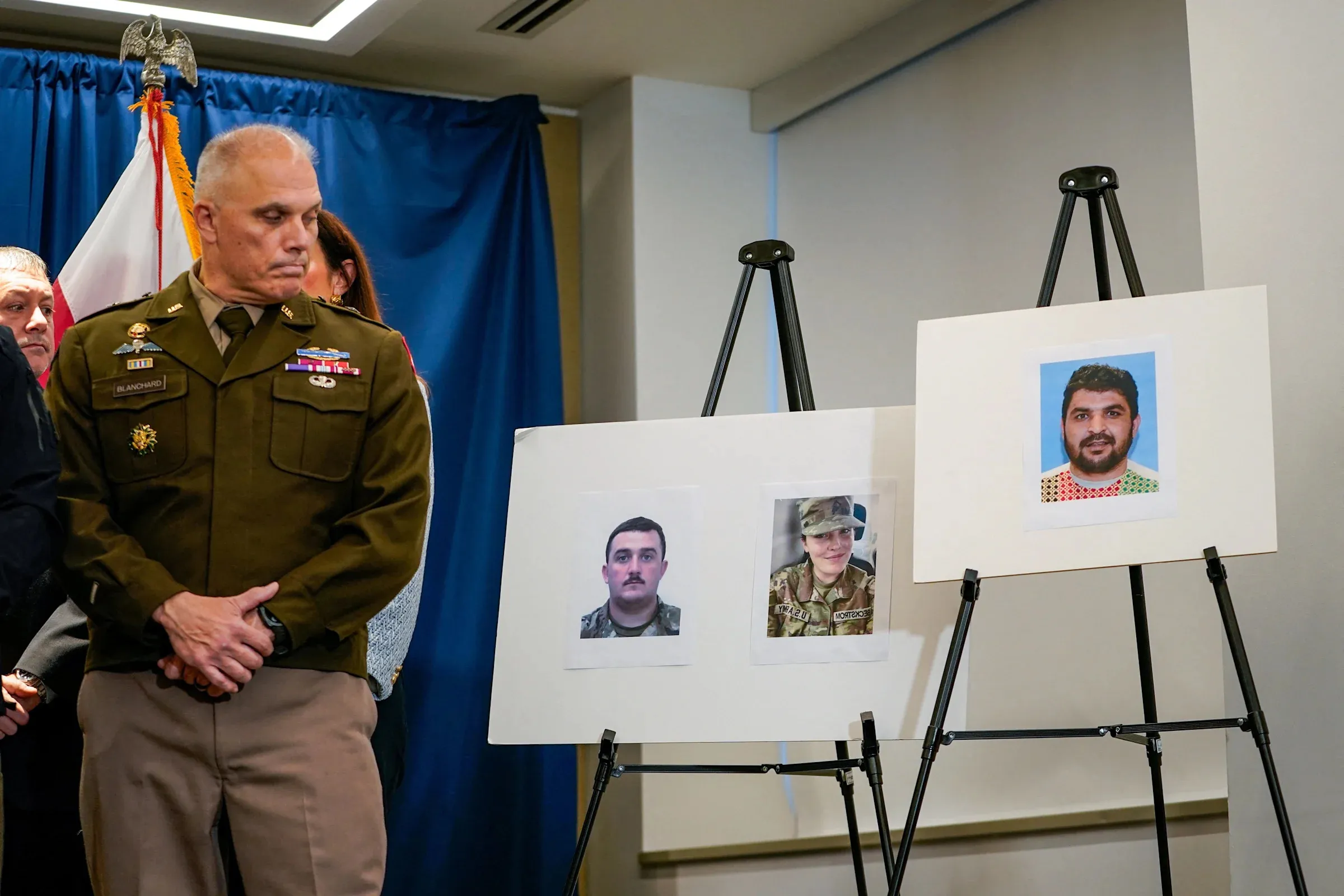
WASHINGTON The Afghan national accused of shooting two National Guard members near the White House last week previously served in CIA-supported "zero units" in Afghanistan. These were elite paramilitary teams conducting covert raids against suspected terrorists and U.S. adversaries as part of the CIA's counterterrorism initiatives.
Rahmanullah Lakanwal, 29, who allegedly shot the two West Virginia Guardsmen outside a Metro station in downtown Washington, was a member of these specialized tactical units, according to Sami Sadat, former commander of the Afghan Army's Special Operations Corps. The units collaborated with U.S. forces on counterterrorism operations prior to the Taliban's return to power.
No motive for the shooting has been confirmed, but attention has focused on Lakanwal's service in the secretive units, often criticized for human rights violations and likened to "death squads." Questions have arisen about whether exposure to combat and violence may have contributed to post-traumatic stress disorder.
Community members in Webster Springs, West Virginia, prepared a portrait and held a vigil for Specialist Sarah Beckstrom, one of the two Guardsmen attacked in Washington, on Nov. 28, 2025.
Following the incident, officials from the Trump administration attributed responsibility to Biden-era immigration policies and refugee programs, which brought thousands of Afghans who had worked with U.S. forces into the country after the 2021 withdrawal from Afghanistan. Lakanwal entered the U.S. that year via Operation Allies Welcome, which resettled nearly 200,000 Afghans.
Sadat confirmed Lakanwal was part of the elite Kandahar Strike Group, also known as NDS 03, which operated from Camp Gecko, a U.S. base in the former compound of Taliban founder Mullah Omar. The CIA confirmed Lakanwals involvement but declined to discuss his role or allegations of human rights abuses.
After the U.S. withdrawal and the Taliban takeover, Afghan allies who had fought alongside Americans were evacuated to the United States to avoid Taliban reprisals.
CIA Director John Ratcliffe stated that Lakanwals relocation to the U.S. was justified due to his prior work with U.S.-backed forces in Kandahar, which concluded shortly after the chaotic evacuation.
Former U.S. military and intelligence officials describe these units as highly specialized, conducting clandestine counterterrorism missions parallel to, but separate from, the main U.S. military operations. The "zero units" were formed months after September 11, 2001, and at their peak in 2010-2011 carried out nearly 19 raids per night, often using CIA intelligence and supported by U.S. special operations forces.
Mick Mulroy, former CIA paramilitary officer, described these teams as some of the most heavily engaged in combat throughout the war, with many U.S. personnel indebted to their support. The units were the first deployed and among the last to leave Afghanistan.
Sadat said the Kandahar Strike Group was highly effective against the Taliban but faced extreme danger after the U.S. withdrawal, prompting many members to resettle in the United States. Lakanwal reportedly joined a zero unit at age 15, exposing him to significant trauma.
U.S. authorities conducted extensive vetting for Afghans seeking entry, including employment verification, biometric checks, database screenings, and multiple in-person interviews.
The units often carried out night raids in rural areas, sometimes disregarding rules of engagement and causing civilian harm, which strained relations with the Afghan government. Reports indicate hundreds of civilian casualties and potential war crimes, including executions and disappearances, with victims ranging from children to elderly civilians. Investigations were often blocked, and U.S. accountability was limited.
Patricia Gossman of Human Rights Watch noted that local populations lived in fear due to the arbitrary nature of the raids, with victims often left as a warning to communities. She criticized the lack of transparency and accountability for these operations.
Author: Sophia Brooks
Share
Space Force Awards Contracts for Golden Domes Ahead of Schedule
3 days ago 3 min read USA

Police called after student brought a skean dhu to school
3 days ago 1 min read USA

Police raid 'successful' mail-order drugs operation
3 days ago 2 min read USA

Man admits to killing Ole Miss graduate 10 months after her body was discovered
3 days ago 3 min read USA

Over 55 million Americans warned of snow and ice from Kentucky to Maine
3 days ago 2 min read USA

Reinsurance giant reports mild end to hurricane season, US and Japan spared
3 days ago 2 min read USA
Funny Video Shows Gold Retriever's Love for His Lost Ball Outweighing Owner's
3 days ago 2 min read USA

New landlords reopen historic community pub
3 days ago 2 min read USA

Tom Brady advocates for a new national holiday in popular advertisement
3 days ago 2 min read USA

The Best Coastal Small Town in the U.S. Is This Quiet Florida Destination
3 days ago 4 min read USA