

Afghanistan investigation: SAS leaders allegedly concealed evidence of war crimes
- Last update: 4 days ago
- 3 min read
- 13 Views
- WORLD
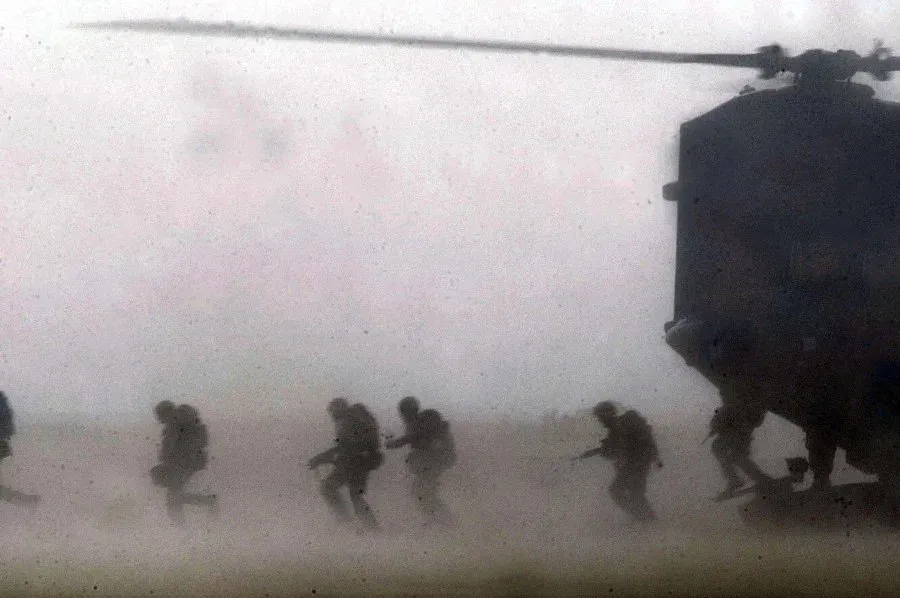
Dec. 1 (UPI) -- Testimony released Monday by the independent inquiry into British Special Forces operations in Afghanistan suggests that senior SAS officers may have attempted to conceal potential war crimes.
During a private session, a high-ranking SAS officer described presenting the then-director of special forces in 2011 with what he called explosive evidence indicating criminal conduct. However, when a new director assumed the role in 2012, the officer said no action was taken, despite his clear awareness of serious issues in Afghanistan.
The Independent Inquiry into Afghanistan, launched in 2022, is examining alleged crimes during Deliberate Detention Operationsknown as "kill or capture" missionsfrom 2010 to 2013. These investigations include accusations of murdering detainees and unarmed civilians, including children. In mid-2023, the Ministry of Defence confirmed the inquiry focuses specifically on U.K. Special Forces.
The officer, identified only as N1466, reported becoming concerned following a night raid that left nine Afghan men dead while only three weapons were recovered. He noticed repeated patterns in SAS reports, showing an unusually high number of deaths that did not correspond to the arms seized.
After hearing claims that some units followed a policy of targeting fighting-age males regardless of threat, N1466 approached senior leadership. He stated that both former heads of special forces failed to forward the evidence to the Royal Military Police, a legal obligation when serious offenses may have occurred.
N1466 described being deeply troubled by what he suspected were unlawful killings, including children, asserting: We are talking about war crimes. He alleged that leadership actively suppressed these claims. It was not until 2015, nearly four years later, that he contacted the Provost Marshal, during Operation Northmoors ongoing investigation into the SAS. He expressed regret for the delay but cited concerns about his position and faith that corrective measures were being taken.
Reflecting on the fatalities, he mentioned two toddlers shot in their beds beside their parents, emphasizing that such deaths might have been prevented. He maintained that loyalty to the Special Forces meant acting rightly, not merely following orders, and highlighted his intention to serve professionally and ethically.
Many colleagues joined UKSF for principled reasons, not for actions that result in the deaths of innocents, he said. True loyalty is not standing by while your organization descends into wrongdoing.
Former veterans minister Tommy Mercer criticized the inquiry for allegedly publishing one-sided accounts before those implicated could respond. The inquiry defended its approach, stating: The Inquiry is investigating deliberate executions of Afghan males, not split-second combat decisions. We are required by law to release evidence as available, while safeguarding the identities of UK Special Forces members and national security.
The inquiry is ongoing, with its findings expected to be submitted to the Defense Secretary and Parliament next year.
Author: Sophia Brooks
Share

£70k play tower damaged beyond repair by fire
2 minutes ago 1 min read WORLD
Archaeologists Discover Sacrificial Necropolis Containing Cache of Relics
3 minutes ago 2 min read WORLD

Brother and Sister, 4 and 12, Located unharmed by Police Despite Initial Concerns of Girl Possibly Carrying a Weapon
5 minutes ago 1 min read WORLD

Transgender women prohibited from participating in key events at Labour Women's Conference
12 minutes ago 2 min read WORLD
Russia launches extensive drone and missile assault on Ukraine amidst ongoing diplomatic negotiations
15 minutes ago 3 min read WORLD
Colombian family lodges human rights complaint regarding U.S. strike on boat
21 minutes ago 3 min read WORLD
Hamas transfers additional human remains to Red Cross in Gaza Strip
26 minutes ago 1 min read WORLD
Has China changed its policy and recognized North Korea as a nuclear-armed state?
29 minutes ago 3 min read WORLD
Qatari leader warns that the Gaza ceasefire is in a critical moment
31 minutes ago 3 min read WORLD

German police report increase in slander against politicians
33 minutes ago 1 min read WORLD