England's chief doctor warns that risky infections in elderly are being overlooked
- Last update: 23 hours ago
- 2 min read
- 309 Views
- WORLD
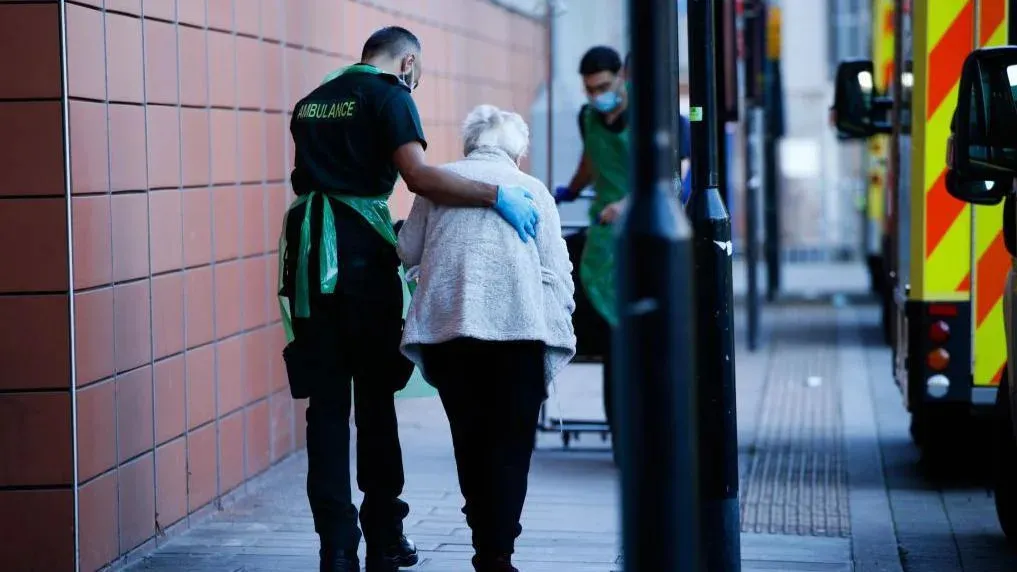
Serious illnesses such as pneumonia and influenza require heightened vigilance in older adults, according to Englands chief medical officer. Sir Chris Whitty emphasized that some healthcare professionals underestimate the impact infections can have on triggering strokes or heart attacks.
NHS statistics indicate that people over 70 are considerably more vulnerable to severe outcomes or death from infections. While preventative care for younger populations has become highly effective, Sir Chris noted that healthcare for the elderly remains inconsistent.
Speaking during the launch of his annual health report, Sir Chris highlighted that older patients often receive less focused care and are underrepresented in medical research. He recommended a lower threshold for prescribing antibiotics in older adults compared with younger individuals.
He pointed out that there has been a historical tendency to accept infections as an inevitable part of aging, stating that we can do a lot to prevent these outcomes.
Evidence now shows that conditions like pneumonia, flu, or urinary tract infections can elevate the risk of stroke, particularly within the first two weeks after infection, and potentially up to a year later. Research also suggests a heightened likelihood of heart attacks in elderly patients following infections, though this link is less definitive. Reducing infections, Sir Chris noted, could directly lower the incidence of strokes and heart attacks.
The public can help protect vulnerable populations through simple precautions such as regular handwashing, careful food handling, staying home when unwell, and taking advantage of free NHS vaccinations.
Sir Chris also raised concerns about declining vaccination rates among children over the past decade, particularly in London, despite the UK historically having high uptake. He attributed this trend more to practical barriers, like access and scheduling, than to vaccine skepticism.
Regarding international vaccine debates, Sir Chris stated that questioning vaccine safety is reasonable, but cautioned that UK residents should not be unduly influenced by concerns raised elsewhere. He emphasized that most of the UK population remains sensible about vaccination when informed about risks and benefits, and that truly anti-vaccine individuals are a very small minority.
Author: Logan Reeves