How Norway started the tradition of donating a Christmas tree to London every year
- Last update: 1 days ago
- 2 min read
- 408 Views
- WORLD
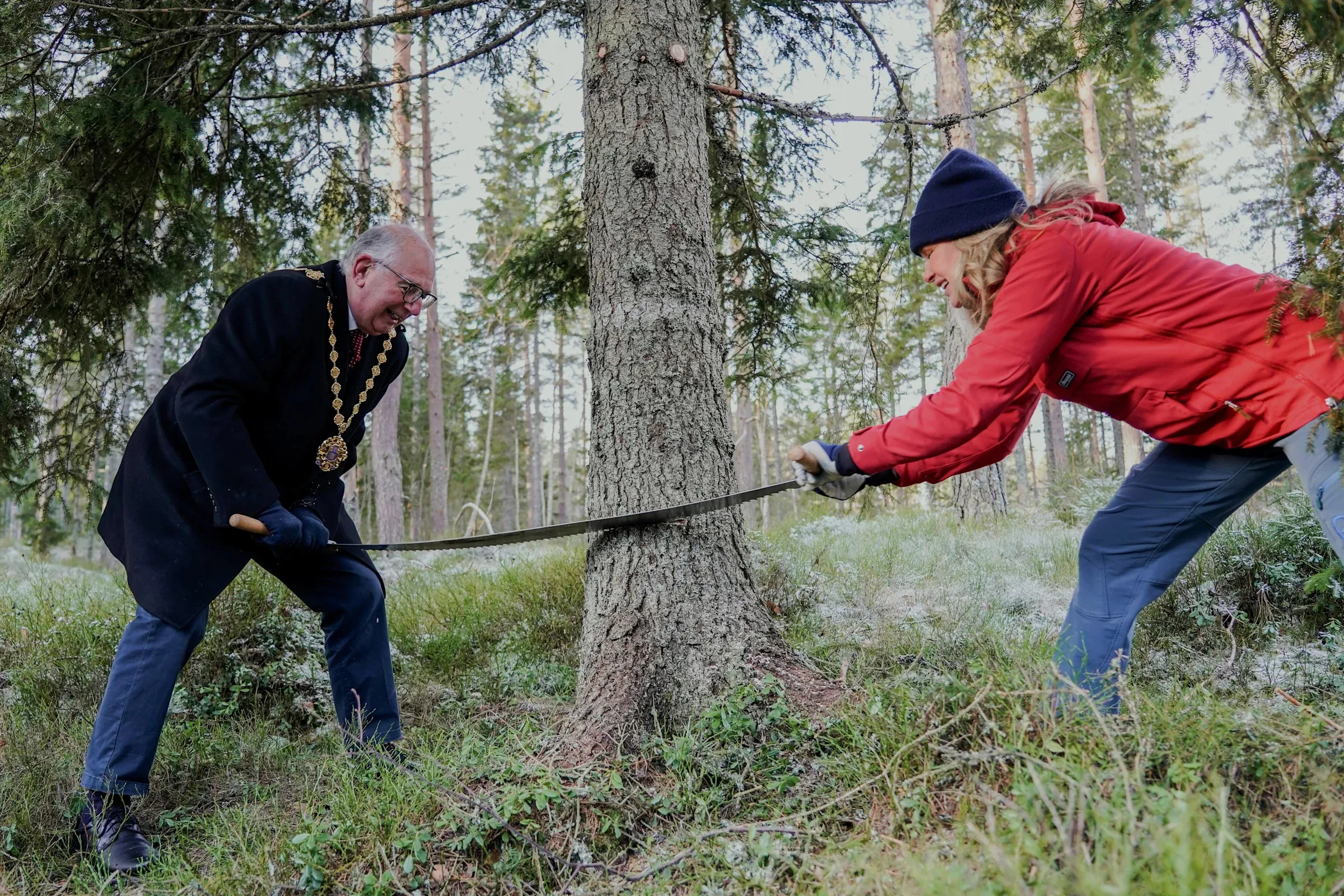
LONDON Trafalgar Square in London will see its Christmas tree illuminated this Thursday, continuing a long-standing tradition that originates from Norway. The tree represents the enduring friendship between Oslo and London and commemorates the historical ties between the two nations.
The alliance between Norway and the United Kingdom dates back to World War II. When Germany invaded Norway in 1940, King Haakon VII and the Norwegian government took refuge in London. From there, Norway coordinated much of its resistance, with news broadcasts in Norwegian from London serving as a crucial connection for those back home under Nazi occupation.
As a gesture of gratitude, Oslo began sending an annual Christmas tree to London in 1947, two years after the wars end. Each tree is a Norwegian spruce (Picea abies) grown naturally in the forests around Oslo. Several candidates are carefully selected years in advance, receiving extra attention to ensure the finest specimen is chosen for the journey.
This years tree, nicknamed Ever Oslo, is approximately 20 meters (22 yards) tall and around 60 years old. It was chosen over two other contenders, Nordic Star and Fjord Fir. The tree was cut down on November 21, transported 180 kilometers (112 miles) to a port where it was washed to remove road salt, and then spent 26 hours at sea below deck to shield it from saltwater. From the port in Immingham, roughly 239 kilometers (149 miles) north of London, it was driven by truck to Trafalgar Square. A replacement tree will be planted back in the Oslo forest.
Social media has dubbed it Britains national tree-sure. The lighting ceremony, held on the first Thursday of December, marks the beginning of Londons festive countdown. Vertical strings of lights, inspired by Norwegian tradition, adorn the tree. It will remain on display in the square until January 5, the Twelfth Night of Christmas, after which it will be removed, chipped, and composted into mulch.
Author: Benjamin Carter