
2025's Vocabulary of the Year Reveals a Year of Disappointment with Technology
- Last update: 54 minutes ago
- 3 min read
- 864 Views
- BUSINESS
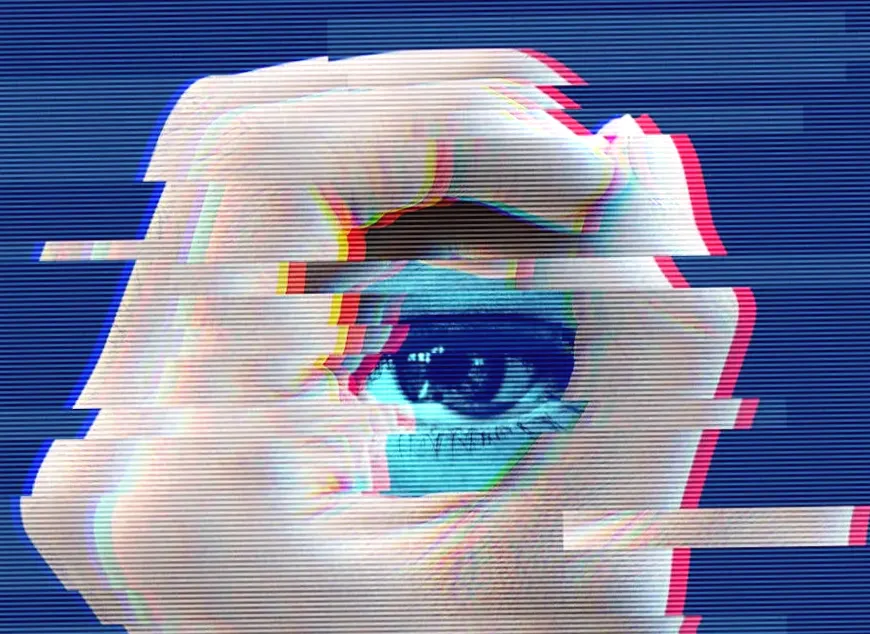
Which terms best capture the spirit of 2025? Every year, dictionaries such as the Oxford English Dictionary and the Macquarie Dictionary select a word of the year, often reflecting major cultural or global events. In previous years, selections like pandemic and lockdown mirrored global crises, while words such as goblin mode and permacrisis captured cultural trends.
This year, the focus is largely on digital life, but unlike the early 2000s enthusiasm for the internetwhen words like blog and tweet were celebrated2025s choices reveal growing concern over online deception, artificiality, and superficial connections.
When Seeing Isnt Believing
The Macquarie Dictionary of Australian English selected AI slop as its word of the year. Defined as low-quality content generated by AI, often inaccurate and unsolicited, the term gained popularity in 2024 through British programmer Simon Willison and tech journalist Casey Newton. AI slop ranges from overly sentimental images to generic advice on social media, often going viral as users unknowingly share computer-generated content.
While photo manipulation has existed since the earliest days of photography, AI has amplified it through deepfakes, allowing entirely new visuals and videos to be created from simple prompts. From historical figures performing absurd acts to surreal creations, AI slop is unique in that it can originate completely from artificial prompts without real-world reference.
Parasocial Connections in the AI Era
The Cambridge Dictionary chose parasocial, referring to the perceived bonds individuals feel toward celebrities, fictional characters, or AI entities. These one-sided relationships stem from fascination with public figures and continue to grow. A recent example involved fans reacting intensely to the engagement of singer Taylor Swift and football player Travis Kelce, demonstrating how people emotionally invest in figures they do not personally know.
Although the concept dates back to 1956, parasocial interactions now extend to AI chatbots, with users forming genuine attachments, sometimes viewing AI as friends or romantic partners. Young people increasingly seek AI companionship for emotional support and therapy.
Emotional Manipulation Online
The Oxford Dictionary highlighted rage bait, describing online content designed to provoke anger or outrage to drive engagement. Unlike fleeting opinions, rage bait is intentionally inflammatory, contributing to political polarization and exploiting the attention economy. Those who create rage bait often show little empathy, prioritizing engagement and profit over genuine interaction.
The Puzzle of 6-7
Dictionary.com named 6-7 as its word of the year, a piece of Gen Alpha slang noted for being meaningless, ubiquitous, and nonsensical. Popularized by rapper Skrilla and teenage basketball player Taylen Kinney, the term lacks a clear definition, sometimes accompanied by a hand gesture mimicking balance. Even public figures like UK Prime Minister Keir Starmer have engaged with the gesture, highlighting its spread among youth culture.
Digital Nihilism
The common thread linking these words is a sense of digital nihilism. In a landscape crowded with misinformation, AI-generated content, fake news, and conspiracy theories, trust and meaning online feel increasingly fragile. The mood can be summed up with a single gesture: the shrug , expressing resignation or indifference amid the chaotic digital world.
Author: Grace Ellison
Share

2025's Vocabulary of the Year Reveals a Year of Disappointment with Technology
54 minutes ago 3 min read BUSINESS

Wordle tips for today: Clues and solution for Friday, December 5th #1,630
8 hours ago 2 min read BUSINESS

Gemini topped Google's search trends in 2025.
1 days ago 2 min read BUSINESS

Wordle tips for today's puzzle #1,629: Thursday's hints and solution, December 4
1 days ago 2 min read BUSINESS

Wordle tips for #1,628: Wednesday, December 3 clues and solution
2 days ago 2 min read BUSINESS
'Rage Bait' Named Oxford Word of the Year for 2025
3 days ago 2 min read POLITICS
I've Never Laughed Harder at These People Who Got Completely Roasted in 2025
3 days ago 1 min read MOVIES

Oxford Word of the Year 2025 Inspired by Online Anger
3 days ago 2 min read USA

Wordle tips for today: Clues and solution for Tuesday, December 2nd #1,627
3 days ago 2 min read USA

Oxford Announces Utterly Infuriating Word of the Year 2025
4 days ago 3 min read POLITICS