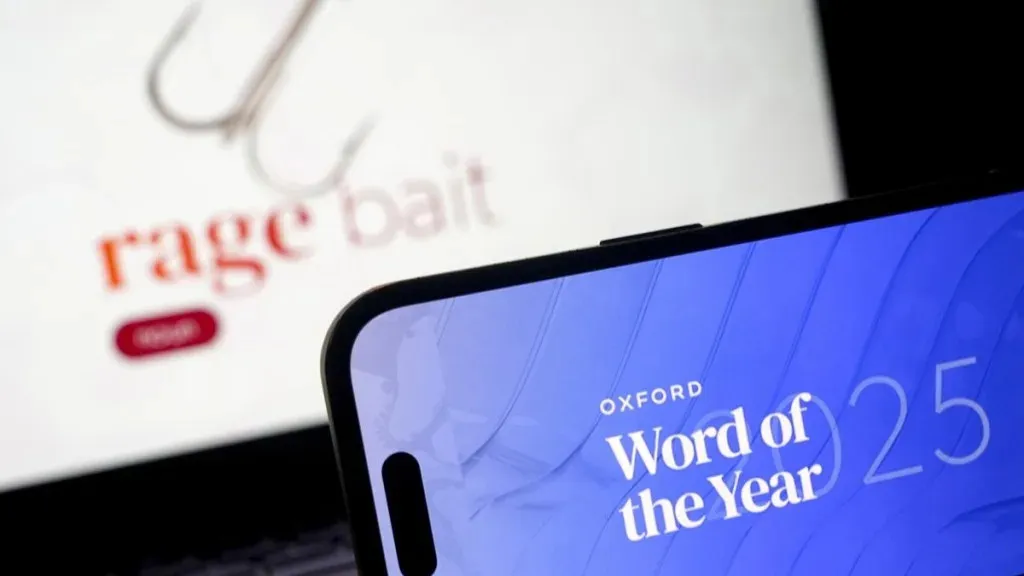
The expression rage bait used to describe online material created to spark anger and fuel interaction has officially been selected as the Oxford Word of the Year for 2025. The decision reflects a year dominated by viral controversies, heated debates, and emotionally charged posts that repeatedly captured public attention.
Oxfords choice has also reignited conversations about the way digital platforms decide what appears in users feeds and how provocative material often rises to the top of everyday discussions.
How the term was selected
The Oxford team narrowed the options down to three finalists: rage bait, aura farming, and biohack. More than 30,000 people took part in a public vote that lasted for three days. Afterward, lexicographers combined the voting results with an analysis of reader feedback and internal language data before making the final decision.
According to Oxford Languages, the usage of the term rage bait has increased threefold over the past twelve months. The phrase is defined as online content intentionally created to provoke anger or outrage.
In real-world application, rage bait can range from controversial posts aimed at upsetting specific groups to mass distribution of misleading information designed to trigger emotional reactions and spread rapidly.
A shift in online attention
Oxford noted that 2025 has shown a growing emphasis on emotional engagement. Previously, digital strategies were largely focused on attracting clicks through curiosity and novelty. Now, the spotlight has shifted toward influencing feelings especially strong reactions such as frustration and indignation.
The organization emphasized that language often reflects deeper societal concerns. In this case, the rise of rage bait highlights how platforms can reward extreme content and amplify outrage, drawing attention to subtle forms of online manipulation that users encounter daily.
For context, the previous years Word of the Year brain rot focused on the mental exhaustion associated with endless scrolling and digital overconsumption. Together, the terms illustrate an evolving awareness of how modern technology shapes both language and behavior.