

Growers warn that new US seed ban may push cannabis genetics into underground market
- Last update: 1 hours ago
- 3 min read
- 833 Views
- BUSINESS
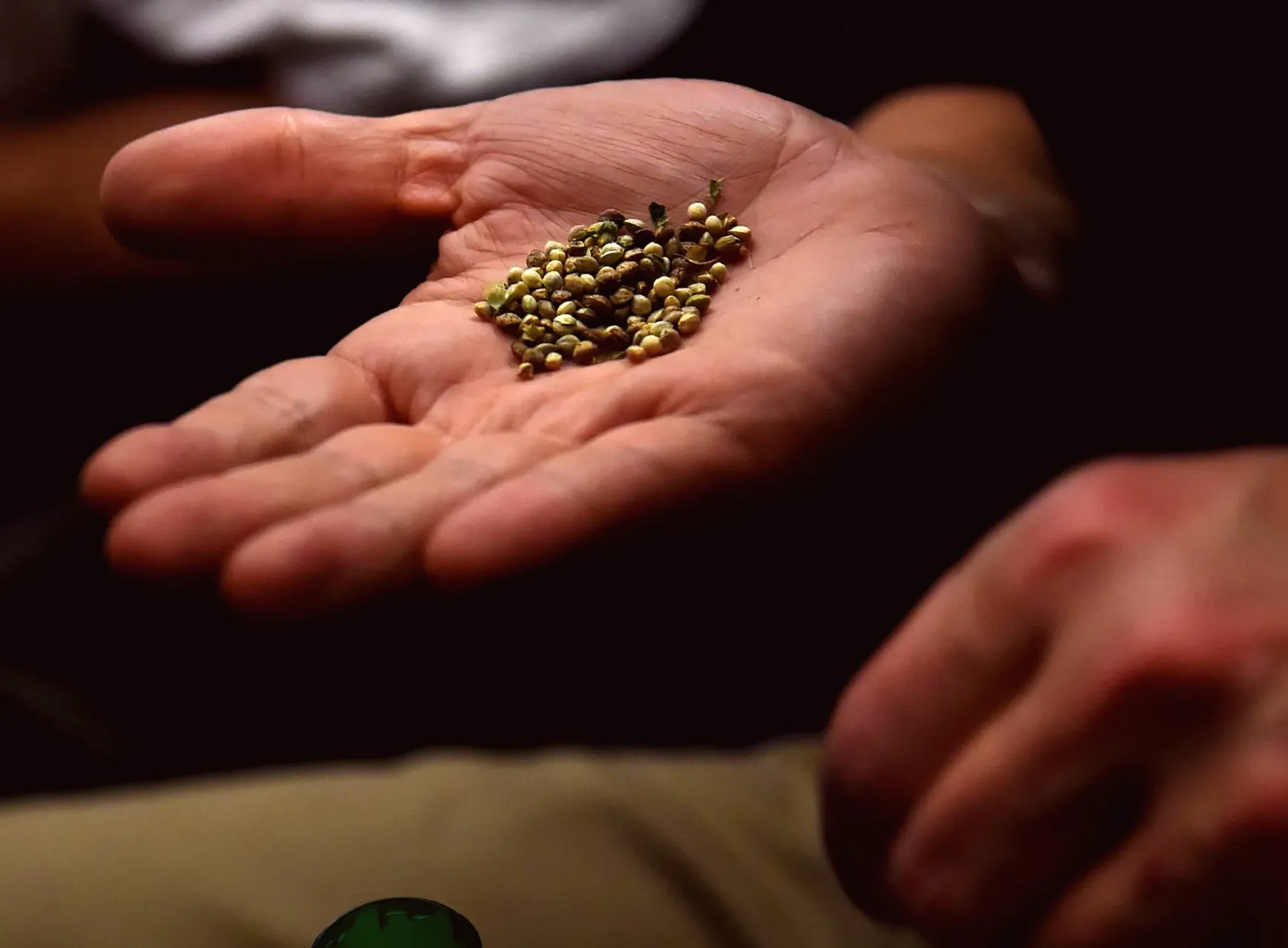
For the first time since 2018, cannabis seed sales in the United States are facing new limitations due to a last-minute amendment in the recent federal spending bill. Industry specialists warn that this move could devastate the domestic market.
Previously, cannabis seed businesses operated under relatively lenient regulations, as seeds contain negligible THC, the psychoactive compound that classifies cannabis as illegal at the federal level. Sergio Martnez, CEO of Spains Blimburn Seeds, explained that the 2018 Farm Bill eased restrictions by defining hemp as any cannabis product with less than 0.3% delta-9 THC. This was further clarified in 2022 when the DEA confirmed that seeds within this THC limit are legally considered hemp, even if the plants they produce exceed it.
Since these updates, most states have allowed the sale and shipment of seeds without special permits or legal repercussions. However, the new spending bill includes language that bans most hemp products and explicitly targets seeds. The regulation prohibits any viable seeds from a Cannabis sativa L. plant that exceeds a total tetrahydrocannabinol concentration (including THCA) of 0.3% in the plant on a dry weight basis, effectively regulating seeds by the potential THC content of the plants they produce.
Experts argue that this approach is impractical. Martnez noted that all seeds look identical until cultivated, and even certified hemp seeds can surpass THC limits if grown optimally. He questioned how growers could reliably determine which seeds are legal under the new rules. Currently, U.S. seeds are even shipped internationally, making the market one of the most developed in the world. Martnez predicts that if the ban is enforced, international competitors could take the lead.
The new restrictions could especially affect home growers. Some states allow limited personal cultivation, often requiring a medical cannabis card, while others prohibit it entirely. Jamie Pearson, founder of the New Holland Group, highlighted concerns for patients growing cannabis for medical purposes. Legal seed access has enabled the development of strains targeting conditions such as epilepsy, pain management, and chemotherapy-related nausea. These options could vanish under the new rules.
Home cultivation offers more than access to medicine; it promotes well-being and environmental benefits. Martnez emphasized that growing plants can be therapeutic and reduces the ecological impact of shipping and packaging. Pearson added that homegrown cannabis helps consumers control contaminants like pesticides, mold, and heavy metals.
Compliance with the new seed restrictions is expected to be difficult. Only the largest, best-funded companies are likely to manage the necessary verification processes. Pearson compared cannabis seed diversity to the variety of wine grapes, emphasizing that genetics are central to the industry. With the ban, she warned, all those genetics, the good wine, will go underground, leaving only a few dominant companies and severely limiting consumer choice.
Author: Gavin Porter
Share
Growers warn that new US seed ban may push cannabis genetics into underground market
1 hours ago 3 min read BUSINESS

Author warns that marijuana is 'incredibly dangerous' for young Americans
1 days ago 2 min read BUSINESS

What you need to know about the ban on most US hemp products
3 days ago 3 min read BUSINESS
California revenue boosted by recent cannabis taxes
3 days ago 2 min read BUSINESS

Their Hemp Business Was Built in Good Faith but Washington Is About To Crush It
6 days ago 3 min read POLITICS