

Have British spies learned from The Skripal poisonings?
- Last update: 1 hours ago
- 3 min read
- 507 Views
- BUSINESS
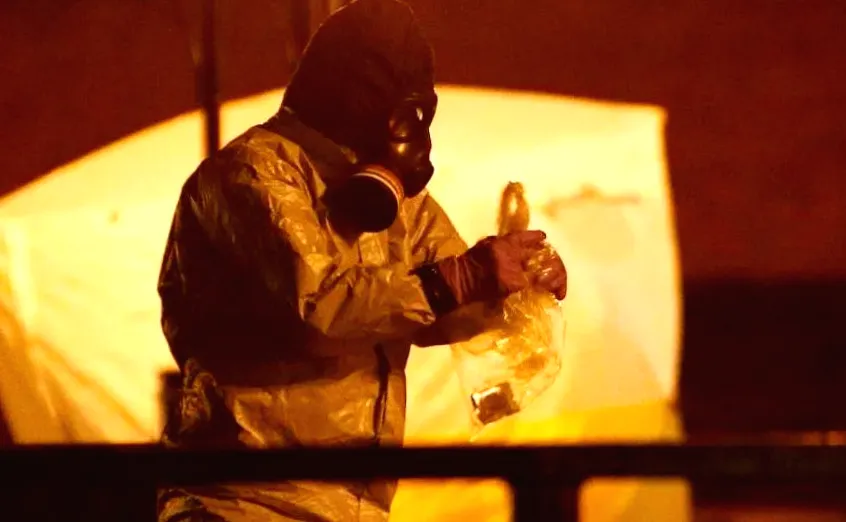
On the evening of March 4, 2018, MI6 received alarming news: one of their former agents, Sergei Skripal, had been poisoned and was in critical condition. The incident sent shockwaves through the intelligence community and prompted an urgent review of security measures for defectors within the UK.
Skripal had been recruited by MI6 in the 1990s, later captured by Russian authorities, and eventually exchanged in a 2010 spy swap. At the time of his resettlement in Britain, officials considered his risk level to be low. However, this assessment was later acknowledged as a misjudgment. Skripal had chosen to maintain his identity and life in the UK, declining protective measures that could have potentially prevented the attack.
The report examining the incident notes that while there was no clear warning of a nerve agent attack, routine risk assessments of Skripal were not consistently updated. By 2014, tensions between Russia and the West had increased following the crisis in Ukraine, and Skripals communications with European intelligence agencies may have further elevated his profile as a target. Russian President Vladimir Putin, a former intelligence officer, is known for his stance on traitors, and the GRU, Russia's military intelligence service, had a vested interest in Skripal.
The use of the Novichok nerve agent is interpreted as a display of Russian state power and a warning to others who might betray Russian intelligence. The attack conveyed that defectors could be targeted years after leaving Russia, regardless of the danger posed to their families.
In response, British intelligence promptly increased protective measures for defectors and individuals at risk. The investigation confirmed that a GRU unit carried out the poisoning, entering the UK on a short-term mission and leaving behind the Novichok-laced perfume that would later kill Dawn Sturgess. The operatives were identified, and several of their operations and false identities exposed by investigative organizations like Bellingcat.
While Russian intelligence operations in the UK and Europe have been disrupted, especially following the Salisbury attack and Russia's 2022 invasion of Ukraine, Russia has adapted. They increasingly rely on proxies and hired agents, such as Bulgarian operatives in the UK, to conduct surveillance and other activities. Though many of these groups are amateur and often fail, the sheer number of operations increases the risk of occasional success.
This shift represents a new model for Russian intelligence, utilizing disposable agents and low-level criminals for acts like arson and surveillance. UK Counter Terrorism Police report that efforts to counter hostile state threats have increased five-fold since the Skripal attack. Today, Russia and its affiliates are engaged in ongoing low-level operations across Europe, though the likelihood of another nerve agent attack is significantly reduced due to improved awareness and defenses.
Author: Logan Reeves
Share

The reason behind people wearing pajamas to the airport: It's a political movement
1 minutes ago 2 min read BUSINESS

Emergency plea for lost defibrillator
3 minutes ago 2 min read BUSINESS

POC Content Accelerator Rideback Rise Announces 2026 Fellows
5 minutes ago 2 min read BUSINESS

America faces a new clash of civilizations with European liberals
6 minutes ago 3 min read BUSINESS

Egypt’s economy stabilizes, yet poverty challenges remain
6 minutes ago 4 min read BUSINESS

Elliot Grainge, Atlantic CEO, Reflects on Successful Year, Hitmakers, and Overcoming Criticism
8 minutes ago 4 min read BUSINESS

For Generation Z, searching for employment post-graduation can be a challenging journey.
8 minutes ago 3 min read BUSINESS

"It's similar to mad cow disease": Co-founder of Rockstar Games warns of AI content "consuming itself"
10 minutes ago 2 min read BUSINESS

Michaels and Amazon voluntarily recall Crayola magnetic cube toys
10 minutes ago 2 min read BUSINESS

Waymo addresses safety worries during investigation of school bus incidents
17 minutes ago 2 min read BUSINESS