

North Carolina Bans Booting on Commercial Vehicles — Will Other States Follow Suit?
- Last update: 3 days ago
- 3 min read
- 39 Views
- BUSINESS
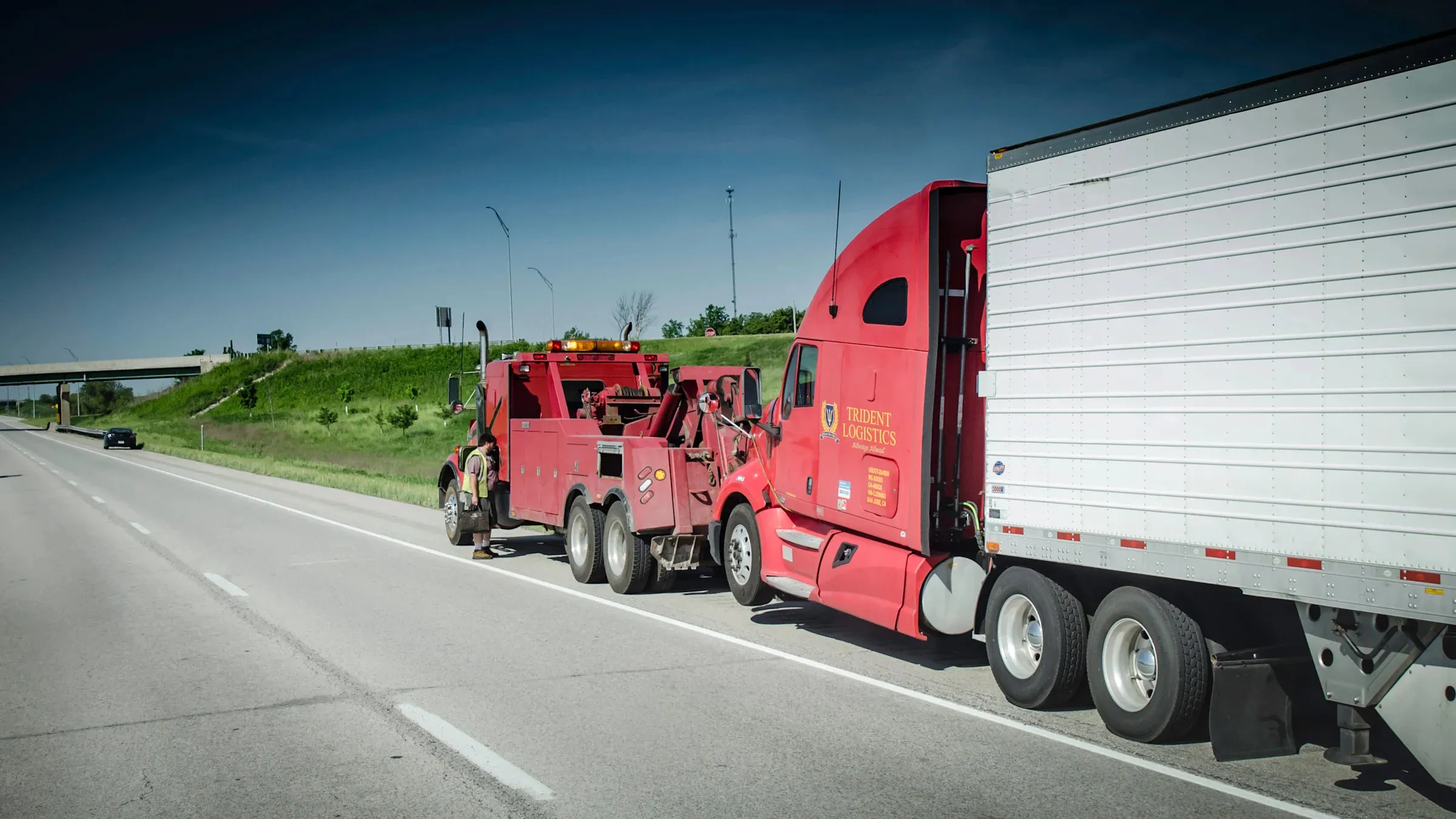
Truck drivers in North Carolina have long faced an unnecessary challenge: private parking-lot operators attaching wheel boots to tractor-trailers and box trucks the moment a driver stepped away. Some companies waited for drivers to leave their cabs, charged hundreds of dollars on the spot, and ignored whether the driver was on a federally mandated break or had no legal place to park.
Now, North Carolina has taken decisive action to stop this practice. For the first time in years, the law explicitly protects commercial drivers, offering safeguards against predatory parking enforcement. The legislation also sparks a broader conversation about commercial vehicle regulations, driver breaks, parking shortages, and road safety.
The Booting Problem
Over recent years, private "parking enforcement" companiesboth legitimate and questionablebegan patrolling commercial lots, hotel parking areas, and shopping centers to target trucks parked where management didnt want them. Drivers reported being booted in situations such as:
- While legally parked to eat or take a break
- During federally required rest periods
- Paying high fees on the spot to remove boots
- Confusing or absent signage
- Dealing with companies with no oversight or appeal process
These drivers werent parking for convenience; they were often out of hours, fatigued, or complying with federal Hours-of-Service rules. Despite this, booting companies prioritized profit over safety, prompting a growing wave of complaints and political pressure.
Legislative Action
North Carolina lawmakers responded decisively. The new law prohibits any private company from attaching boots, wheel clamps, or immobilization devices to commercial vehicles. Key points include:
- Commercial vehicles cannot be booted anywhere in the state
- Private companies cannot demand payment to remove a boot
- Driver safety and federal rest requirements are prioritized
The law passed with strong bipartisan support and was quickly signed by the Governor, reflecting a common-sense approach to a widespread problem.
Impact on Truckers
For truckers traveling through North Carolina, the law offers important protections:
- No extortion for taking required rest breaks
- Protection from being immobilized by parking enforcers
- Freedom to comply with federal safety rules without risk of immediate fines
Law enforcement can still tow vehicles if they obstruct emergency routes or pose a public safety hazard, but towing requires documentation and due processunlike booting, which previously required none.
Ongoing Cautions
While the ban on booting is a major win, drivers must still exercise care:
- Do not block entrances, lanes, or fire hydrants
- Respect tow-away zones
This legislation addresses one of the trucking industrys long-standing safety and fairness issues, ensuring that drivers are no longer punished for circumstances beyond their control. North Carolinas move could serve as a model for other states seeking to protect commercial vehicle operators.
Author: Sophia Brooks
Share

Is there a Post-Credits Scene in Five Nights At Freddy's 2? A Guide without Spoilers
1 minutes ago 2 min read BUSINESS

Progress against childhood cancers is substantial, report finds
3 minutes ago 3 min read BUSINESS

Maurice DuBois' Final CBS Evening News Broadcast Air Date Revealed
9 minutes ago 2 min read BUSINESS

Record-high Anti-LGBTQ+ Hate Crimes Reported in Gay-Friendly City Last Year
11 minutes ago 2 min read BUSINESS

IndiGo cancels 1,000 flights across India
12 minutes ago 2 min read BUSINESS

Complex Life Could Be One Billion Years Older Than Previously Believed
14 minutes ago 3 min read BUSINESS

View images of arctic cold wave affecting the Midwest and Northeast.
16 minutes ago 2 min read BUSINESS

Fundraising Drive for Liquor Store in Honor of Viral 'Drunk Raccoon'
16 minutes ago 2 min read BUSINESS

125th Anniversary of Idaho Utility, Launch of New Peaker Plant
17 minutes ago 3 min read BUSINESS

Fox News' Laura Ingraham Claims Calling ICE Agents 'Thugs' is Almost Illegal
17 minutes ago 2 min read BUSINESS