

Progress against childhood cancers is substantial, report finds
- Last update: 1 hours ago
- 3 min read
- 589 Views
- BUSINESS
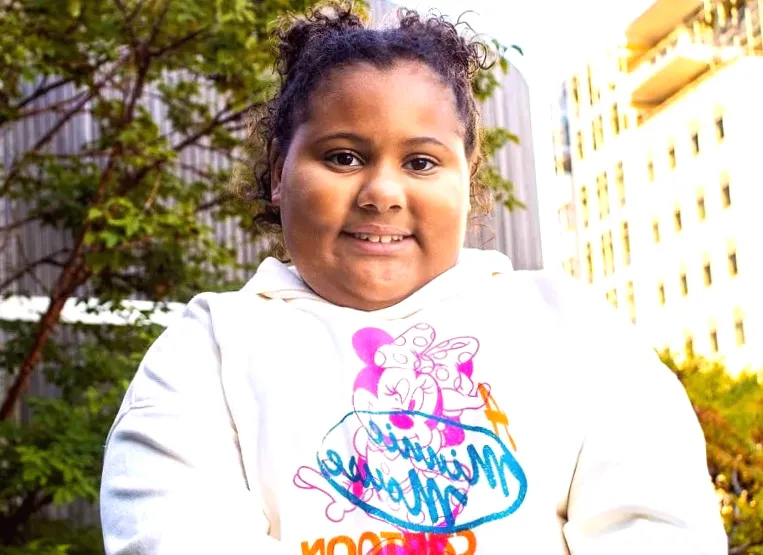
Two years ago, 6-year-old Leanna Munir was full of energy, until suddenly she began losing her usual vitality. Her mother, Adrian Horn, recalled, "She just slowed down and it was unlike her. Thats when we realized something was wrong."
Initial visits to the doctor suggested repeated colds or tonsil issues, but further tests revealed a far more serious condition: leukemia.
Now 8 years old, Leanna has overcome her cancer and is thriving, benefiting from recent breakthroughs in immunotherapy. She is among thousands of pediatric patients whose lives have improved thanks to cutting-edge treatments, according to the American Association for Cancer Research (AACR) in its first report dedicated to pediatric cancers.
The report notes that the five-year survival rate for childhood cancers in the U.S. rose to 87% from 2015 to 2021, a dramatic improvement over the 63% survival rate in the mid-1970s. Pediatric cancer deaths dropped by 57% between 1970 and 2000, and by an additional 19% from 2001 to 2023.
This inaugural report underscores the remarkable progress made against pediatric cancers while also addressing the ongoing challenges, said Elaine Mardis, past AACR president and co-chair of the reports steering committee.
While rare, pediatric cancers remain devastating. Nearly 15,000 U.S. children and teenagers are expected to be diagnosed in 2025, with approximately 1,700 deaths anticipated, the report states. Between 2015 and 2025, the FDA approved over 20 targeted therapies and more than 10 immunotherapies specifically for pediatric cancers. The proportion of drugs approved for children increased from 6% in 20122016 to almost 14% in 20172021.
Leanna received CAR T-cell therapy, a revolutionary immunotherapy. Her doctors at the Children's Hospital of Philadelphia explained that T-cells from her blood were genetically modified to target leukemia cells rather than viruses. Previous treatments, including chemotherapy, had limited effect due to a genetic mutation making her leukemia resistant. After the CAR T-cell infusion in November 2024, her cancer rapidly diminished.
Adrian Horn described the therapys impact: It was much easier on her body. Her own cells fought the cancer, and she didnt experience severe side effects like nausea or hair loss. Today, Leanna shows almost no signs of leukemia and is thriving in second grade.
Despite progress, the report emphasizes ongoing challenges. Childhood cancer survivors face a heightened risk of long-term health issues, with 60% to 90% developing chronic conditions by adulthood. By age 50, they are nearly twice as likely to experience chronic health problems compared to peers.
Certain cancers, such as gliomas and sarcomas, remain particularly deadly, with five-year survival rates below 25%. The AACR stresses the need for innovative therapies, international clinical trials, and continued data sharing to tackle these rare cancers.
The report also highlights disparities in pediatric cancer outcomes. Hispanic children have the highest incidence of cancer in the U.S., and Black children are 30% more likely to die from certain cancers than white children. Access challenges persist for those in rural or low-income areas.
Dr. Margaret Foti, CEO of AACR, stated, By highlighting both the progress and the remaining challenges, we hope this report will drive increased investments in pediatric cancer research, ensuring young patients benefit from the same innovations transforming adult cancer care.
Author: Maya Henderson
Share

Critics Choice 2026 nominations: Top forecast accuracy from Gold Derby experts, editors, and users
1 minutes ago 2 min read BUSINESS

The unexpected importance of not skipping your morning orange juice
4 minutes ago 2 min read BUSINESS

Customers adored the 'fabric queen'. But with each order, her tale unraveled.
6 minutes ago 3 min read BUSINESS

Revealed: Alleged Cause of Solange Knowles' Elevator Attack on Jay Z
7 minutes ago 2 min read BUSINESS

Crackdown on H-1B visas targets the incorrect employees
7 minutes ago 2 min read BUSINESS

Officials widen investigation into Waymo regarding self-driving taxis operating near buses
9 minutes ago 2 min read BUSINESS
Engineers develop groundbreaking technology with potential to transform home energy usage: 'Efficient'
10 minutes ago 2 min read BUSINESS

Trump's Team to Meet with Industry Stakeholders to Oppose President's Tariff Proposal on Film & TV Production Tax Incentives
15 minutes ago 3 min read BUSINESS

Federal government selects company for overseeing upgrades to air traffic control system
18 minutes ago 2 min read BUSINESS

Poverty rate in Argentina drops to 36.3%, reaching lowest level since 2018
18 minutes ago 2 min read BUSINESS