

San Francisco files lawsuit against Kraft and Coca-Cola for health crisis
- Last update: 47 minutes ago
- 3 min read
- 551 Views
- BUSINESS
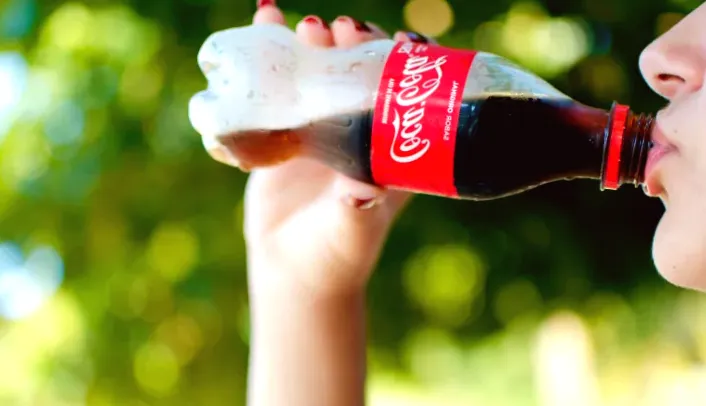
In recent years, California has significantly increased oversight of corporations, from implementing a $20 minimum wage affecting fast-food chains to restricting misleading advertising and labeling practices. Building on this trend, San Francisco is now pursuing an unprecedented lawsuit targeting producers of highly processed foods.
The lawsuit, filed Tuesday in San Francisco Superior Court, names a broad array of industry leaders, including Kraft Heinz, Coca-Cola, PepsiCo, Nestl USA, General Mills, Kellogg, Mars, Post Holdings, Conagra, and Mondelz International. The city contends that these companies have deliberately created a public health crisis to boost profits, leaving taxpayers to shoulder the rising costs of treating diet-related illnesses such as diabetes and heart disease.
The legal action seeks to recover healthcare expenses, halt what the city describes as deceptive marketing practices, and hold the companies accountable for contributing to widespread health problems. The complaint also draws a parallel between ultraprocessed foods and substances like tobacco and opioids in terms of public health impact.
Holding Companies Accountable
San Francisco City Attorney David Chiu emphasized that while consumers strive to make healthier choices, they are constantly exposed to ultraprocessed foods. He asserts that the companies have profited from a crisis they helped create and should now play a role in addressing it. The lawsuit requests reforms to corporate marketing strategies, financial compensation to cover taxpayer-funded medical care, and corrective measures to mitigate years of misleading advertising.
However, the case faces challenges. Unlike tobacco, ultraprocessed food lacks a universally accepted legal definition. Although California recently defined it for school meal regulations, ambiguities remain. The FDA is in the early stages of establishing a national definition, and courts have historically been hesitant to adopt broad classifications. A federal judge in Pennsylvania dismissed a similar lawsuit earlier this year, highlighting the difficulty of linking specific products to individual health outcomes.
Complex Legal and Cultural Landscape
San Franciscos lawsuit groups a wide range of products, from sodas to yogurt, under one category, creating legal complexity due to the diversity of foods and absence of consensus. Yet public concern about highly engineered foods is growing, cutting across political and socioeconomic lines. Consumers increasingly demand fewer artificial additives and industrial ingredients, prompting some states to introduce ingredient bans and warning labels, while companies lobby for uniform federal regulations.
Potential National Implications
If the court recognizes that ultraprocessed foods contribute to predictable health burdens and that manufacturers knowingly exacerbated these risks, San Franciscos action could pave the way for similar lawsuits in other cities. The industry has already voiced opposition, with the Consumer Brands Association arguing that broad classifications misrepresent nutritional content and could worsen health disparities.
The case is now in the early stages of litigation, with the city tasked with connecting corporate practices to the financial strain on public healthcare systems. A successful outcome could fundamentally influence how the United States regulates and consumes packaged foods.
Author: Harper Simmons
Share

Zoe Saldana Dresses in Balenciaga for 'Avatar: Fire And Ash' Paris Photocall
2 seconds ago 1 min read BUSINESS

Influence of English Common Law on the United States
1 minutes ago 3 min read BUSINESS

Reform Needed in Federal Trade Commission Settlements
2 minutes ago 3 min read BUSINESS

SCOTUS News for Friday, December 5
2 minutes ago 4 min read BUSINESS

Police alert about fraudulent emails purportedly from government agencies
5 minutes ago 1 min read BUSINESS

Fox News announces 'Erika Kirk Week': Schedule of appearances by Charlie Kirk's widow on the network
5 minutes ago 2 min read BUSINESS

Jameis Winston Responds to Allegations of Seafood Theft Using Viral TikTok Trend
6 minutes ago 2 min read BUSINESS

Where to Watch SpaceX's Falcon 9 Rocket Launch from Vandenberg
7 minutes ago 3 min read BUSINESS

International Powers Focus on AI Partnerships in the Gulf
7 minutes ago 1 min read BUSINESS

Using hydrogen peroxide is not an effective remedy for whooping cough
10 minutes ago 3 min read BUSINESS