

Schools opt for pop-up pools, reducing swim lessons by half
- Last update: 1 days ago
- 2 min read
- 464 Views
- BUSINESS
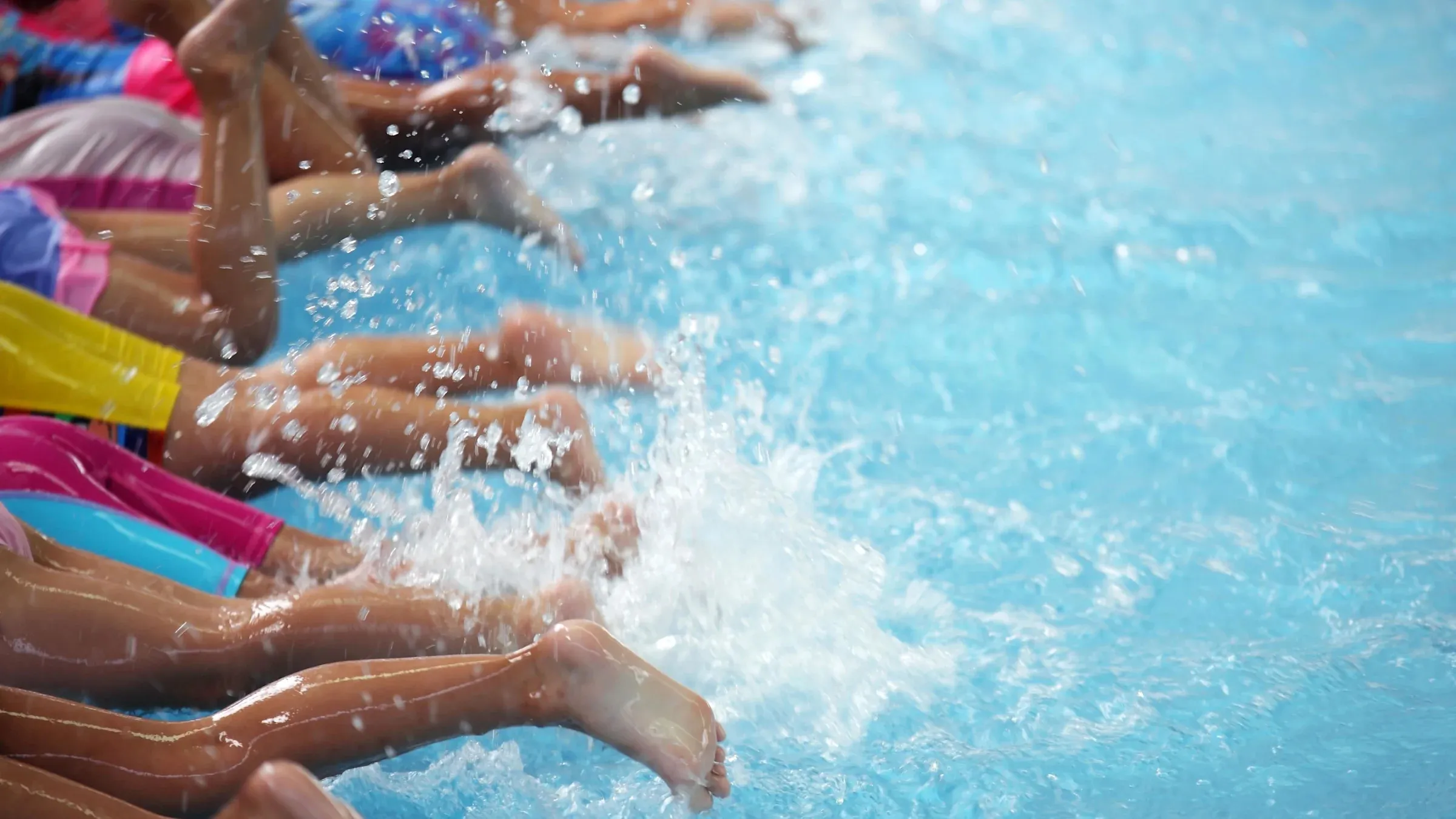
Bradford has experienced a dramatic drop in school swimming sessions at leisure centres, with many schools switching to temporary pop-up pools due to steep transport expenses, according to a local councillor.
A report from Bradford Council revealed that the number of school swim sessions in local authority pools has fallen to 62, compared with 120 during the 2023/24 financial year.
The district has a rich history of swimming education, dating back to 1898 when Wapping School became the first school in the UK to have its own pool. Councillor Jeanette Sunderland described pop-up pool solutions as "temporary fixes" that fail to teach essential life skills, warning that bureaucracy is hindering Bradfords proud swimming tradition.
The council report highlighted the impact on the KS2 swimming programme run by Bradford Aquatics Service, noting that high transport costs have driven many schools to choose pop-up pools. Between 2023 and 2025, 15 primary schools left the programme, followed by another 15 schools in 2025-2026, citing lower costs as the reason.
This decline has created substantial gaps in the districts lesson schedule and led to a significant loss of revenue for leisure facilities. Officials also warned that reduced attendance at pools could negatively affect footfall at local leisure centres.
While schools can organize their own transport to official pools, they also have the option to use Bradford Aquatics transport services through the West Yorkshire Combined Authority (WYCA). Critics insist that pop-up pools cannot replace permanent facilities.
The report called for an urgent review of transport costs negotiated with WYCA. Sunderland emphasized that permanent pools are crucial for effective swimming instruction, noting that learning to swim in childhood is rare to achieve in adulthood if missed early.
She argued that investing more in school swimming programmes and transport would provide long-term benefits, stating: "It seems like we know the cost of everything and the value of nothing."
Author: Chloe Ramirez
Share

Refurbished lido reopens under charity management
1 days ago 2 min read BUSINESS

Construction of the new leisure centre is delayed once more
1 days ago 2 min read BUSINESS

Reopening date announced for Victorian pool
2 days ago 2 min read ENTERTAINMENT

Former casino to be transformed into swimming pool complex
3 days ago 1 min read ECONOMICS