

Trump and lawmakers must act quickly to address rising health care costs before it's too late
- Last update: 2 days ago
- 3 min read
- 549 Views
- BUSINESS
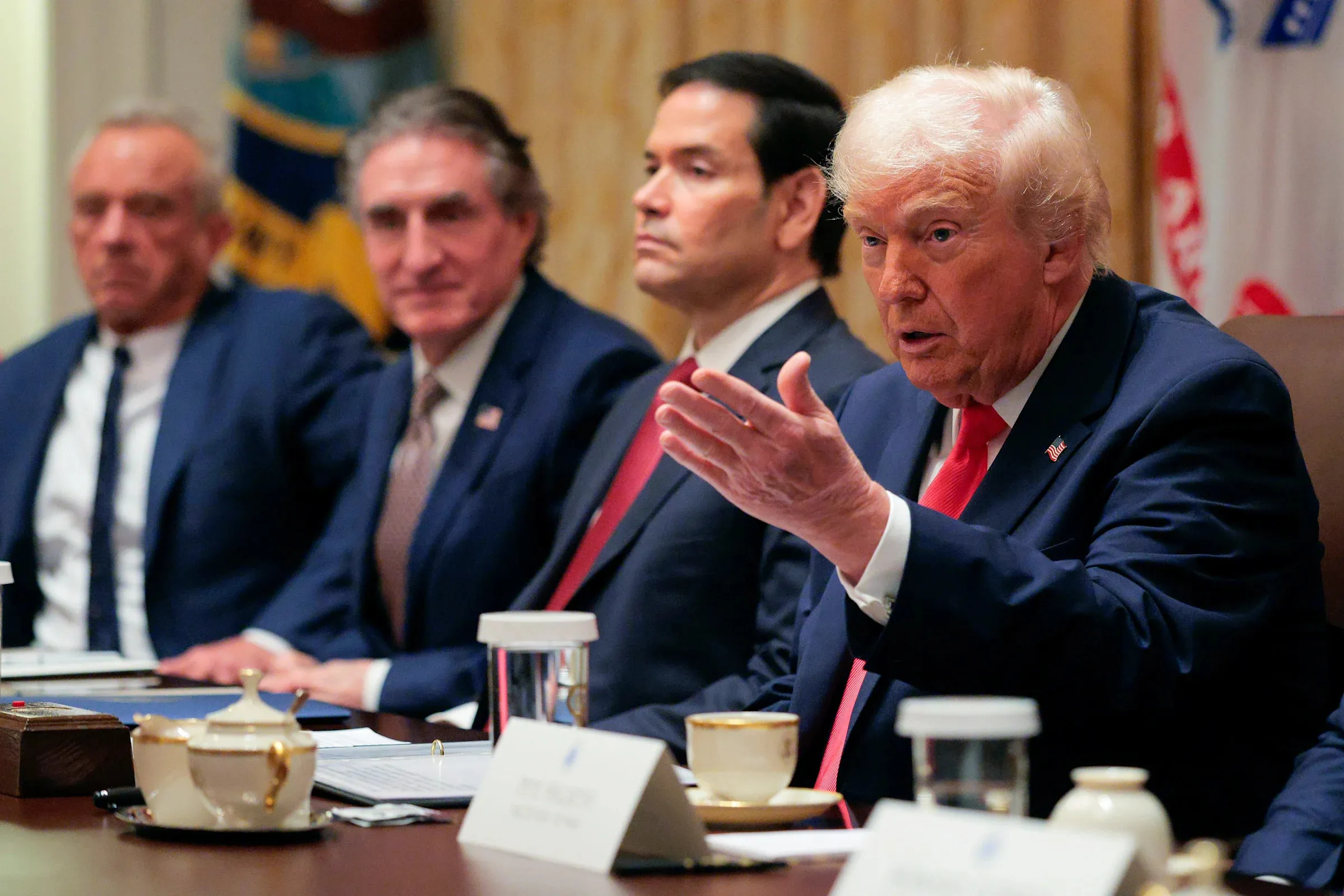
WASHINGTON Millions of Americans are preparing for sharp increases in health care expenses next year as President Donald Trump and the Republican-led Congress struggle to reach an agreement. Federal subsidies are set to expire within weeks, which could leave about five million people without health insurance, according to some estimates. These subsidies, distributed as tax credits, are part of the Affordable Care Act (Obamacare).
In the lead-up to Thanksgiving, the Trump administration was considering steps to intervene, aiming to resolve the issue before the holiday season. Reports suggested that the president intended to propose extending the subsidies for two more years, but opposition from congressional Republicans caused delays. "Something's going to happen" to tackle the problem, Trump said during a Dec. 2 Cabinet meeting, while noting that the process would be challenging.
Partisan politics have complicated efforts to break the deadlock. Democrats plan to make the subsidy issue a central point of their 2026 midterm strategy, using recent national attention on rising health care costs to regain control of Congress. Senator Amy Klobuchar, a Democrat from Minnesota, emphasized the party's commitment to action, either through legislation or electoral success in the midterms.
The Senate is expected to vote next week on a bill addressing the subsidies, though details of the legislation remain unclear. Senate Minority Leader Chuck Schumer, D-New York, said Dec. 2 that the focus will be on reducing health care costs. However, any bill faces significant hurdles, including the 60-vote threshold required to overcome a filibuster and potential opposition from the GOP-controlled House of Representatives.
While a bipartisan group is advocating for an extension of the subsidies, many House Republicans remain opposed to Obamacare and are unlikely to support any compromise passed by the Senate. Some lawmakers fear that the upcoming vote could end up being largely symbolic. Senator Thom Tillis, R-North Carolina, voiced concern that without a breakthrough before Christmas, no agreement may be reached.
Senator Bill Cassidy, R-Louisiana, proposed replacing the expiring subsidies with direct contributions to Americans health savings accounts (HSAs). Senate Majority Leader John Thune, R-South Dakota, noted that no consensus was reached during discussions on Dec. 2.
The upcoming Senate vote stems from a promise Republicans made to Democrats to secure support during the government shutdown earlier this year, which revolved around expiring tax credits. Negotiations were prolonged by disagreements over conditions for extending the subsidies, with Republicans seeking stricter rules and Democrats advocating for a straightforward extension. Ultimately, a group of Senate Democrats agreed to end the shutdown with a guarantee of a health care vote by mid-December, drawing criticism from some progressives.
Zachary Schermele is a congressional reporter for USA TODAY.
Author: Maya Henderson
Share

Zillow is Indifferent to Climate Change Threatening Your New Home
19 seconds ago 5 min read BUSINESS

The Cleanliness of Air in Hospitals and Airplanes May Surprise You
3 minutes ago 2 min read BUSINESS

Meta signs multiple agreements with news publishers for AI technology, according to Axios
7 minutes ago 1 min read BUSINESS

The Cyberselfish Revival Demonstrates Ongoing Misunderstanding of Libertarianism
9 minutes ago 3 min read BUSINESS

Apple notifies users in 84 countries about new cyber threats
10 minutes ago 1 min read BUSINESS

EU launches antitrust probe into Meta's use of AI
11 minutes ago 1 min read BUSINESS

More than Twelve Companies Have Been Asked for Documents in Investigations Into Italy's Supply Chain
14 minutes ago 2 min read BUSINESS

This Virginia County Demonstrates How Data Centers Can Support Housing for First-Time Homebuyers
14 minutes ago 3 min read BUSINESS

Kim Kardashian Opens Up About Her Billion Dollar Empire to the World
15 minutes ago 3 min read BUSINESS

Valuer assigned to assess electricity company's worth
15 minutes ago 1 min read BUSINESS