

WHO supports the use of GLP-1RAs for weight loss despite shortage alert
- Last update: 2 days ago
- 2 min read
- 19 Views
- BUSINESS
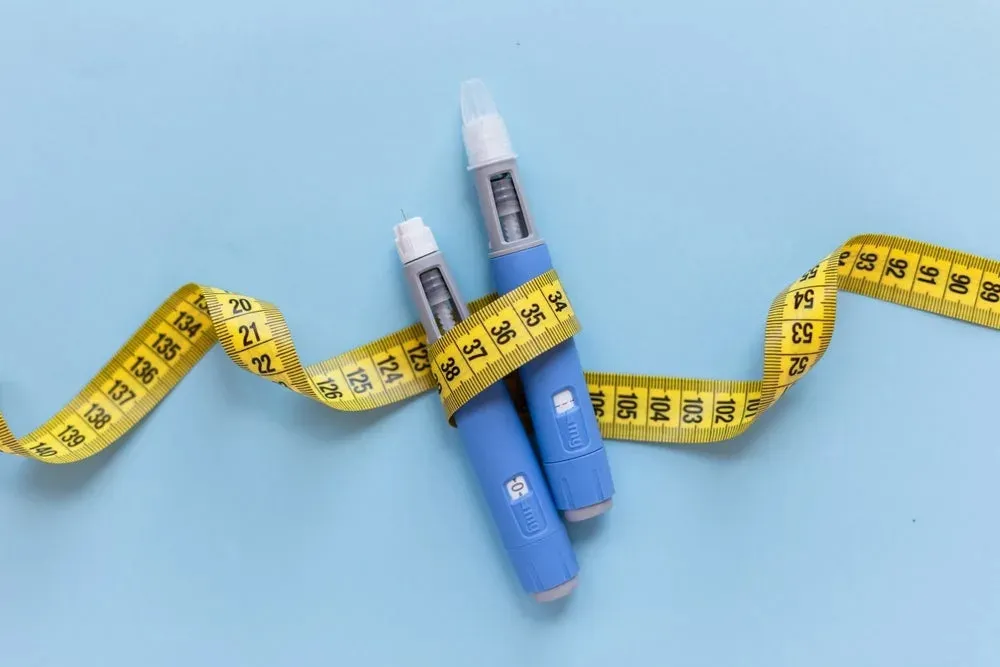
The World Health Organization (WHO) has officially recommended the use of glucagon-like peptide-1 receptor agonists (GLP-1RAs) for obesity treatment, while emphasizing the importance of expanding access to ensure fairness.
In its latest guidance, WHO states that GLP-1RAs should be part of a broader treatment plan that includes balanced nutrition, regular physical activity, and professional healthcare support. The recommendation is conditional, depending on factors such as long-term effectiveness, affordability, and equitable availability.
Previously, GLP-1RA medications were added to WHOs essential medicines list for managing type 2 diabetes in high-risk populations, as updated in September 2025. The new guidance represents WHO's first formal recommendation for GLP-1RA use specifically in obesity care.
Obesity currently affects over one billion people worldwide, with projections suggesting this number could double by 2030. WHO Director-General Dr. Tedros Adhanom Ghebreyesus stated: Obesity is a major global health issue. Our guidance recognizes it as a chronic disease that requires comprehensive, lifelong management. While medication alone cannot solve this crisis, GLP-1RA therapies can support millions in achieving weight loss and lowering associated health risks.
The GLP-1RA market has grown rapidly. Eli Lilly and Novo Nordisk are leading, with their drugs tirzepatide and semaglutide, respectively. Lillys weight loss brand Zepbound generated $3.6 billion in Q3 2025, a 185% increase compared to Q3 2024. The revenue from GLP-1RA products contributed to Lilly reaching a $1 trillion market capitalization. Pfizer is also entering the field, acquiring Metsera, a biotech company focused on long-acting GLP-1RAs, for $10 billion in November 2025.
Despite rising sales, the market faced instability in 2024 due to supply shortages caused by unprecedented demand. This led to a surge in compounded GLP-1RA markets, particularly in the United States. Both Lilly and Novo Nordisk have since expanded production, but WHO projects that less than 10% of eligible patients will have access to these therapies by 2030.
WHOs guidance also calls for measures to improve accessibility, including pooled procurement, tiered pricing, and voluntary licensing.
Experts note that pharmaceutical companies are increasingly targeting the obesity market. GlobalData forecasts the global obesity market to grow from $12.3 billion in 2021 to $206.5 billion by 2031.
Author: Sophia Brooks
Share

Zillow is Indifferent to Climate Change Threatening Your New Home
45 seconds ago 5 min read BUSINESS

The Cleanliness of Air in Hospitals and Airplanes May Surprise You
3 minutes ago 2 min read BUSINESS

Meta signs multiple agreements with news publishers for AI technology, according to Axios
7 minutes ago 1 min read BUSINESS

The Cyberselfish Revival Demonstrates Ongoing Misunderstanding of Libertarianism
9 minutes ago 3 min read BUSINESS

Apple notifies users in 84 countries about new cyber threats
10 minutes ago 1 min read BUSINESS

EU launches antitrust probe into Meta's use of AI
11 minutes ago 1 min read BUSINESS

More than Twelve Companies Have Been Asked for Documents in Investigations Into Italy's Supply Chain
14 minutes ago 2 min read BUSINESS

This Virginia County Demonstrates How Data Centers Can Support Housing for First-Time Homebuyers
14 minutes ago 3 min read BUSINESS

Kim Kardashian Opens Up About Her Billion Dollar Empire to the World
15 minutes ago 3 min read BUSINESS

Valuer assigned to assess electricity company's worth
15 minutes ago 1 min read BUSINESS