

Exploring Unconventional Instruments and Techniques: Composers Strive for Award-Winning Scores
- HOME
- ENTERTAINMENT
- Exploring Unconventional Instruments and Techniques: Composers Strive for Award-Winning Scores
- Last update: 1 hours ago
- 3 min read
- 562 Views
- ENTERTAINMENT
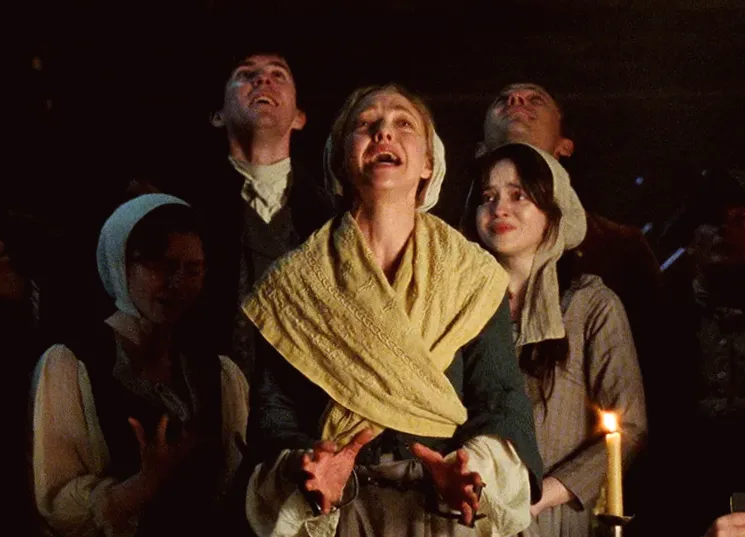
From cast members breathing and vocalizing together to striking massive metal plates in a London warehouse, composers are pushing the boundaries of film scoring. They are crafting innovative soundscapes for films like Hedda, The Testament of Ann Lee, Hamnet, Bugonia, and Fantastic Four: First Steps, with these scores now being considered for Oscar nominations in the original music category.
Icelandic composer Hildur Gunadttir, returning to a theatrical approach reminiscent of her teenage years, worked on Hedda. Director Nia Da Costa wanted music that would feel dynamic and engaging. Inspired by Cornelius Cardew, an experimental 1950s English composer, Gunadttir recorded the cast and crew singing and breathing in various patterns. These recordings, alongside performances by drummers Joey Baron and Robyn Schulkowsky, became integral to the score, channeling the avant-garde energy of mid-20th century classical music.
For The Testament of Ann Lee, English composer Daniel Blumberg adapted 18th-century Shaker songs for Mona Fastvolds film. To capture the radical nature of the Shaker movement, he incorporated thirty heavy brass bell plates, six church bells, a celeste, and even fifty handbells, blending them with viols, cello, harp, and electric guitar. The combination produced a sound both ancient and contemporary, creating a unique auditory experience.
Max Richter approached Hamnet by avoiding pastiche Elizabethan music while evoking the eras texture. He used period instruments like viols, hurdy-gurdy, and nyckelharpa, transforming them into subtly abstracted versions. His choral arrangements, often intimate and whisper-like, focused on themes of motherhood and the mysterious, incorporating electronic elements to explore the films metaphysical dimensions. Some of Richters compositions were even played on set during filming to integrate with the actors performances.
Jerskin Fendrix faced an unusual challenge scoring Yorgos Lanthimos black comedy Bugonia. Given only the words bees, basement, spaceship, he created a fully orchestrated score without seeing the script. Employing the 90-piece London Contemporary Orchestra, Fendrix produced a soundscape that spanned delicate flutes, low bassoons, and dramatic orchestral passages, fully embracing the bizarre and surreal nature of the film.
Michael Giacchino brought a playful yet bold approach to Fantastic Four: First Steps, introducing a choir that sang Fantastic Four in a first for the franchise. Even before filming began, he crafted the theme, combining it with a 101-piece orchestra and a 100-voice choir. The score also included Latin choral passages for Galactus and an invented language for the Silver Surfer, blending sophisticated compositional techniques with whimsical creativity.
These composers demonstrate that pushing musical boundariesthrough unusual instruments, vocal experimentation, and inventive orchestrationcan result in scores that are not only original but also compelling contenders for major film awards.
Author: Sophia Brooks
Share

Unearthly Skill: 'Sinners,' 'KPop Demon Hunters' and 'Wicked: For Good' Compete in Crowded Original Song Oscar Race
26 minutes ago 3 min read ENTERTAINMENT
Critics Choice Awards Nominations: 'Sinners' Tops With 17 Nominations
43 minutes ago 4 min read ENTERTAINMENT

Critics Choice Awards Nominations: 'Sinners' Leads With 17; 'Adolescence' Tops TV – Complete List
45 minutes ago 4 min read ENTERTAINMENT

2026 Critics Choice Awards Nominations: "Wicked: For Good" and Ariana Grande Included in Top Picks with "Sinners" Leading the Way
56 minutes ago 3 min read ENTERTAINMENT

Jacob Elordi and Mike Hill Celebrate How Collaboration Brought Frankenstein to Life
1 hours ago 2 min read ENTERTAINMENT

'Sinners' and 'Adolescence' Dominate 2025 Critics Choice Awards Film and TV Nominations — Check out the Complete List
1 hours ago 3 min read ENTERTAINMENT

Critics Choice Awards 2026 Film Nominees Announced in Real Time
1 hours ago 2 min read ENTERTAINMENT

2026 Critics Choice Awards: Complete list of nominees (live updates)
3 hours ago 2 min read ENTERTAINMENT

'Sinners' or 'Hamnet'? 'One Battle After Another' or 'Wicked: For Good'? Our ultimate Golden Globes movie forecasts
5 hours ago 2 min read ENTERTAINMENT

AFI Awards Top 10: 'One Battle After Another,' 'Sinners' and 'Marty Supreme' Included, with 'The Pitt' and 'The Studio' Recognized in TV Categories
6 hours ago 3 min read ENTERTAINMENT