

Former Netflix executive reveals how a 'visionary' project turned into an alleged $11 million fraud
- HOME
- ENTERTAINMENT
- Former Netflix executive reveals how a 'visionary' project turned into an alleged $11 million fraud
- Last update: 2 days ago
- 2 min read
- 9 Views
- ENTERTAINMENT
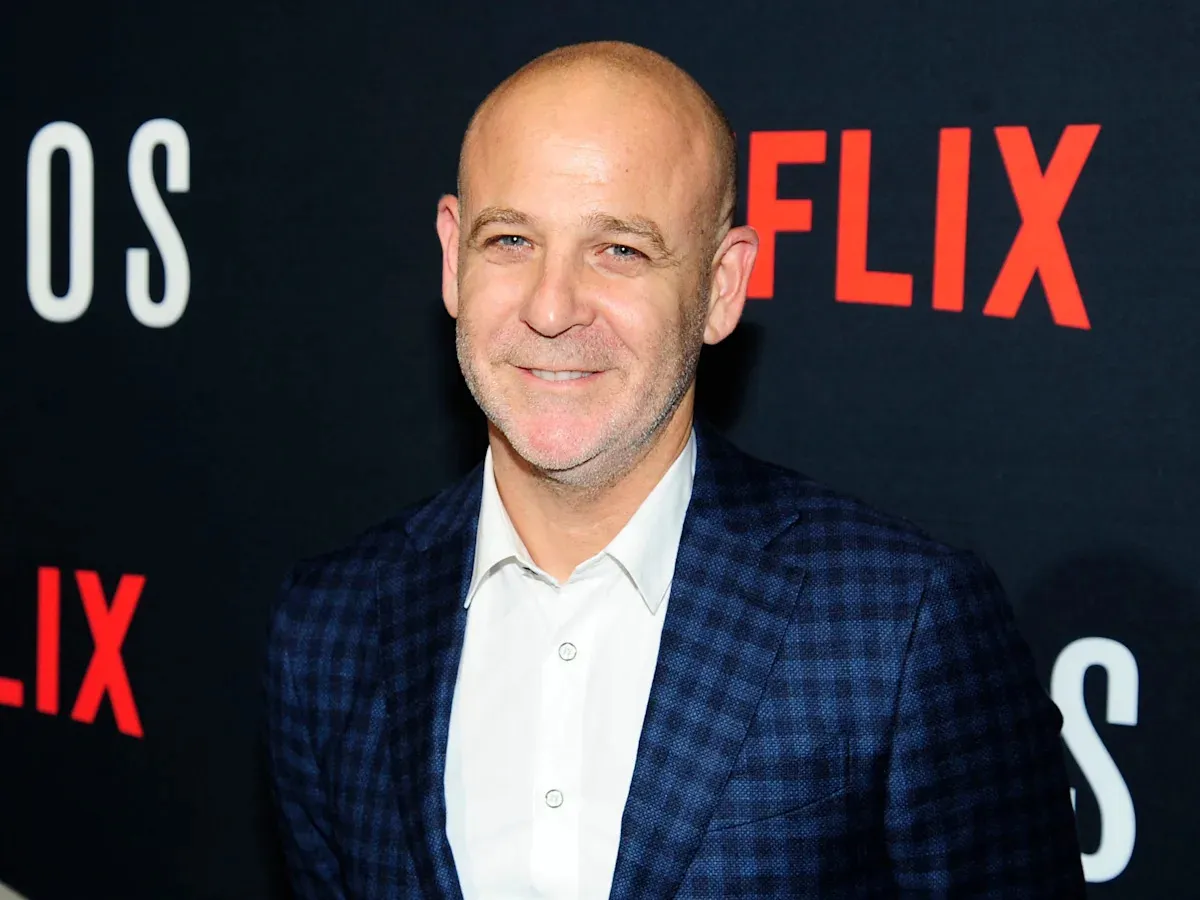
Peter Friedlander, a former Netflix executive, took the stand in the criminal trial of director-producer Carl Rinsch, who faces charges of defrauding Netflix of $11 million. Friedlander recounted how Rinsch presented him with a coffee table book showcasing behind-the-scenes photos from a sci-fi project that never materialized.
The ambitious series, White Horse, was intended to be a futuristic sci-fi show but ended up as a costly Hollywood failure. Friedlander, who previously oversaw hits like House of Cards and Orange is the New Black, described being initially impressed by early footage of Rinschs vision before encountering repeated delays and evasive behavior from the director.
The visuals were unlike anything I had seen, Friedlander told the jury. However, despite months of filming in 2019 across locations such as Brazil and Uruguay, Rinsch failed to produce a single episode. Meetings often ended abruptly, leaving Netflix executives without key updates on the projects progress.
Prosecutors allege Rinsch misused production funds for personal expenses, including luxury cars, cryptocurrency trades, divorce fees, and high-end mattresses. Rinschs defense argues the situation stemmed from contractual disagreements rather than fraud, with attorney Michael Arthus describing Rinsch as a creative genius struggling with the demands of directing, writing, and producing simultaneously.
Friedlander recounted a May 2020 meeting at the Beverly Hills Four Seasons where Rinsch finally provided tangible evidence of his work: a glossy coffee table book. The book contained photos from the brief filming period of White Horse, intended to impress executives despite the projects stalled progress.
Filming plans were extensive, covering cities such as Budapest, Prague, Berlin, Brazil, Kenya, Mexico, and Uruguay, but key production roles, like a line producer, were missing, raising concerns about the feasibility of the shoots. Cost overruns soon became a major issue, with Rinsch suggesting either reducing the number of episodes or requesting additional funds from Netflix.
Despite a late February 2020 agreement for Netflix to provide $11 million for continued production, the project stalled further due to the COVID-19 pandemic. Rinsch maintained communications claiming progress, but Friedlander saw no evidence beyond the coffee table book. By the end of 2020, Netflix had written down the production costs.
The trial continues in a federal courtroom in downtown Manhattan, with the prosecution emphasizing the alleged financial mismanagement and the defense highlighting Rinschs creative ambitions and contractual disagreements.
Author: Sophia Brooks
Share

Kirsten Dunst: Hollywood is now 'much safer' due to #MeToo movement, says 'everyone is vigilant'
1 minutes ago 2 min read ENTERTAINMENT

Highly Violent Sci-Fi From the 2000s on Netflix features intense graphics
1 minutes ago 3 min read ENTERTAINMENT

Diddy's Mom Faces Bold Claim from Childhood Friend
1 minutes ago 2 min read ENTERTAINMENT

Netflix acquires Warner Bros. and HBO Max in significant streaming agreement
1 minutes ago 1 min read ENTERTAINMENT
Boots Riley's 'Boosters are my love' to kick off South by Southwest festival
2 minutes ago 1 min read ENTERTAINMENT

Kate Walsh Secures Return to 'Grey's Anatomy'
2 minutes ago 2 min read ENTERTAINMENT
Pluribus Episode 6 Unveils Jaw-Dropping Cameo, Showing The Show's Real Possibilities
2 minutes ago 2 min read ENTERTAINMENT

Olivia Jade Giannulli Stuns with Bold, Low-Cut Outfits
3 minutes ago 1 min read ENTERTAINMENT

Katy Perry Wears Mini Skirt Suit & Sheer Stockings in Japan Photo
4 minutes ago 1 min read ENTERTAINMENT

Kate Winslet says Helen Mirren broke her rule to star in her film
4 minutes ago 2 min read ENTERTAINMENT