

The Myth of Los Angeles is Dying Due to Climate Change
- HOME
- ENTERTAINMENT
- The Myth of Los Angeles is Dying Due to Climate Change
- Last update: 2 days ago
- 3 min read
- 810 Views
- ENTERTAINMENT
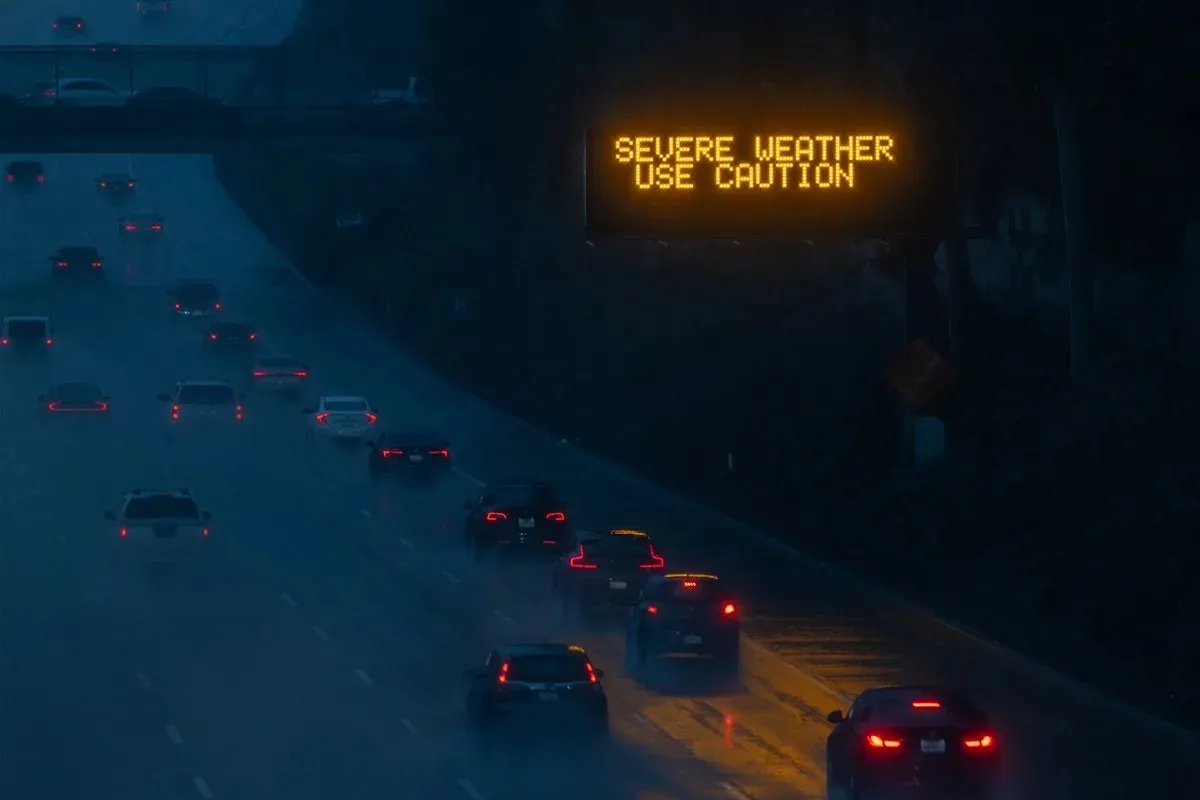
I once lived in a Los Angeles apartment that flooded every time it rainednot a minor leak, but torrents that made the ceiling sag and the walls drip in long, wet streaks. I wonder what that space looks like now, after Southern California experienced heavy rains where areas above Altadena saw nearly nine inches at the site of Januarys Eaton fire between November 14 and 21.
In L.A., weather talk is a language of its own, from dramatized reports by veteran meteorologists to stories of SUVs skimming across highways during sudden storms. But the city rarely acknowledges its vulnerability: the patios where mornings begin, or the balconies overlooking hills, can quickly become sites of failure when extreme weather strikes. Los Angeles was designed for one kind of climate. Most of the time, that worksbut when it fails, the consequences are stark.
For more than a century, L.A. promoted its idyllic Mediterranean climate, yet increasingly intense weather events have sparked debates over who is protected, which areas receive resources, and whether the citys promise of paradise still holds. In February 2023, some parts of the county recorded nearly a foot of rain in ten days, causing widespread power outages and leaving unhoused residents exposed to flooding and freezing nights. A year later, emergency crews rescued a pregnant unhoused woman from a storm drain above a swollen river. Fires in January 2025 in the Palisades and Altadena further revealed the gap between the citys image and its reality.
The myth of Los Angeles dates back to the 1880s1920s, when the Chamber of Commerce promoted the city as a land of eternal spring, aided by citrus companies and railroads selling idyllic postcards of effortless prosperity. Historian Char Miller notes that this image masked displacement of Indigenous peoples and marginalization of Asian communities, yet it persisted because the landscape supported it. Still, natural hazardsfloods, fires, earthquakes, landslideswere ever-present, often minimized or ignored.
California is 90 percent paradise, 10 percent apocalypse, Miller recalls hearing in the 1970s. That balance, once wryly accepted, is now tilting toward disaster. In January 2025, a fire in West Hollywood spread rapidly, even as forecasts and warnings were clear. Climate scientist Daniel Swain emphasizes that the problem is structural: Los Angeles treats disasters as emergencies to be heroically fought rather than inevitable events requiring preparation.
Southern California is inherently fire-prone, with many communities now residing in or near high-risk zones. As growth pushes suburbs deeper into fire-prone areas and warming extends fire seasons, catastrophic events are increasingly likely. Effective resilience measuresbrush clearance, safer construction, and retrofitting homescan reduce the spread, yet they are unevenly applied. Swain stresses that fire safety is cumulative: each protected home reduces the overall risk.
Solutions do not always require massive investment. Installing finer mesh vents, clearing combustible brush, and enforcing stricter building codes in vulnerable zones are practical steps. The January fires illustrate how delayed rains combined with strong winds create heightened fire risk, a pattern likely to repeat.
Los Angeles faces challenges beyond weather: political, infrastructural, and cultural factors all hinder adaptation. Miller points to examples elsewhere in the U.S., such as San Antonio and Houston, where buyouts in flood-prone areas reduced future risk. Yet in Southern California, political will rarely aligns with geographic reality. Still, amid destruction, civic resilience emerges: neighbors organize aid networks, nonprofits provide support, and communities adapt creatively even when formal systems lag.
Miller observes the tension between memory and reconstruction: signs urging rebuilding can unintentionally erase lessons from disaster, a cautionary reminder that adaptation must precede restoration.
Author: Logan Reeves
Share

Report: Jennifer Lopez Removing Tattoo Inspired by Ex Ben Affleck
3 seconds ago 2 min read ENTERTAINMENT

Kylie Kelce Commends Jason for Patiently Responding to Daughters’ Inquiries
1 minutes ago 2 min read ENTERTAINMENT

Olivia Munn Shares If She Would Consider Co-Hosting TODAY Show on a Permanent Basis
1 minutes ago 2 min read ENTERTAINMENT

Dustin Lynch's yearly fundraising event collects thousands for children and families
2 minutes ago 1 min read ENTERTAINMENT

Hailey Bieber Reveals Leopard Print Nails, Setting the Trend for Winter
3 minutes ago 2 min read ENTERTAINMENT

Gwen Stefani's Marital Status Highlighted by Holiday Choices
3 minutes ago 2 min read ENTERTAINMENT

Understanding the Eurovision Song Contest amid controversy over Israel's involvement
4 minutes ago 3 min read ENTERTAINMENT

Boots Riley's 'Boosting Love,' featuring Keke Palmer, to open 2026 SXSW Film & TV Festival
5 minutes ago 1 min read ENTERTAINMENT

Cricket Legend's Daughter Grace Hayden Wows in Small Leopard Bikini Before Game in Dubai
6 minutes ago 1 min read ENTERTAINMENT

Shalom Obiago from 'Christmas In Lagos' Joins Vault Entertainment
6 minutes ago 2 min read ENTERTAINMENT