

This week marks the rise of the last supermoon in 2025
- HOME
- ENTERTAINMENT
- This week marks the rise of the last supermoon in 2025
- Last update: 1 days ago
- 2 min read
- 114 Views
- ENTERTAINMENT
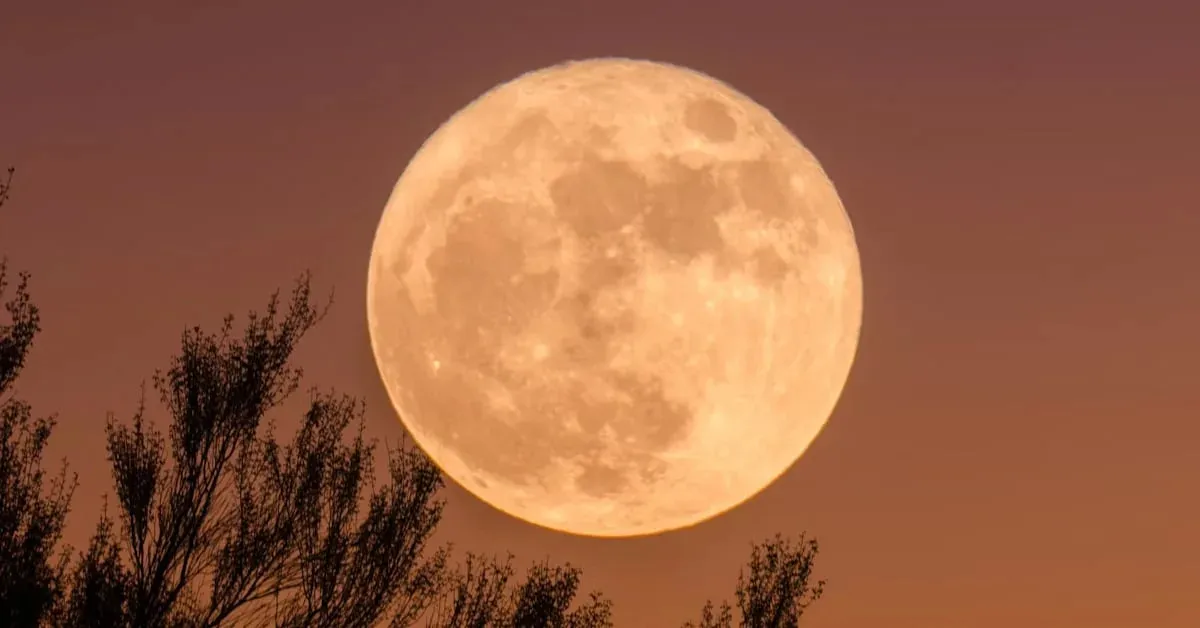
Prepare for a dazzling lunar display as the last full moon of 2025 rises on Thursday evening. This months moonrise promises to be extraordinary, appearing larger and brighter than typical full moons, captivating both casual observers and devoted stargazers alike. Its a celestial spectacle that serves as a striking conclusion to the years lunar events.
Significance of Decembers Final Full Moon
The last full moon of 2025 will emerge on Thursday, December 4, at 6:14 p.m., marking the conclusion of a trio of supermoons that have graced the sky over recent months. Known as the Cold Moon, this December full moon derives its name from the dropping temperatures as winter sets in. Indigenous traditions offer other poetic names for this lunar event: the Mohican called it the Long Night Moon for its rise during the years longest nights, while other cultures have referred to it as the Drift Clearing Moon, Frost Exploding Trees Moon, Moon of the Popping Trees, Hoar Frost Moon, Snow Moon, Winter Maker Moon, Moon When the Deer Shed Their Antlers, and Little Spirit Moon, reflecting the deep cultural connection to seasonal changes.
Why Supermoons Appear So Large
A supermoon occurs when a full moon coincides with the moons closest approach to Earth, known as perigee. This alignment causes the moon to appear roughly 14% larger and up to 30% brighter than a standard full moon. The moons elliptical orbit means it varies in distance from Earth; when it reaches its farthest point, called apogee, it results in a smaller micromoon. This unique orbital positioning is what makes a supermoon so visually striking.
How to Experience the Cold Moon
Observing this full moon doesnt require special equipmentsimply stepping outside and looking up is enough to enjoy the view. However, using binoculars or a telescope can reveal the moons craters and textures, enhancing the experience. Even without magnification, the brilliance of the moon will make it impossible to miss.
For those who miss Decembers supermoon, the first full moon of 2026, the Wolf Moon, will appear on January 3 at 5:03 a.m. This will also be a supermoon, offering another opportunity to witness a strikingly large and luminous lunar display.
Author: Jackson Miller
Share
When to View This Week's Spectacular Cold Supermoon in December
1 days ago 3 min read BUSINESS
The last supermoon of 2025: when to catch a glimpse
1 days ago 2 min read SPORT
Clouds may obstruct the last full moon of 2025
1 days ago 2 min read WORLD
Bright supermoon and 2 meteor showers to illuminate California sky. Find out when
2 days ago 3 min read ENTERTAINMENT
The California sky will be illuminated by a 'Luminous' supermoon and 2 meteor showers. Here's when
2 days ago 3 min read ENTERTAINMENT
Is there a full moon tonight? Understanding the meaning of December 2025 cold moon and today's moon phase
2 days ago 3 min read ENTERTAINMENT
The final supermoon of the year is December's full moon. Here's what you need to know.
2 days ago 2 min read US
Final supermoon of 2025: December's cold moon. What you need to know
2 days ago 2 min read WORLD
When will the December supermoon occur in 2025?
2 days ago 2 min read ENTERTAINMENT

4 Astrological Signs Drawing in Miracles During the Last Full Moon in Gemini of 2025
2 days ago 3 min read WORLD